
This page cannot confirm any specific drone attack by Iran's armed forces against American military positions in Jordan. No verified reporting is available here to establish that such an event occurred, when it happened, or who carried it out, so treat any single unattributed claim with caution and check current, named news sources before acting on it. What this article can do is explain the technology and the stakes behind headlines like this one. A "drone attack" means an uncrewed aircraft — remotely piloted or partly autonomous — used to strike a target, and understanding how these systems work helps you read such news accurately rather than react to it.
Table of Contents
- What "drone attack" actually describes
- Why Jordan and U.S. positions come up
- How militaries counter attack drones
- What this means for a robotics and automation reader
- Frequently Asked Questions
What "drone attack" actually describes
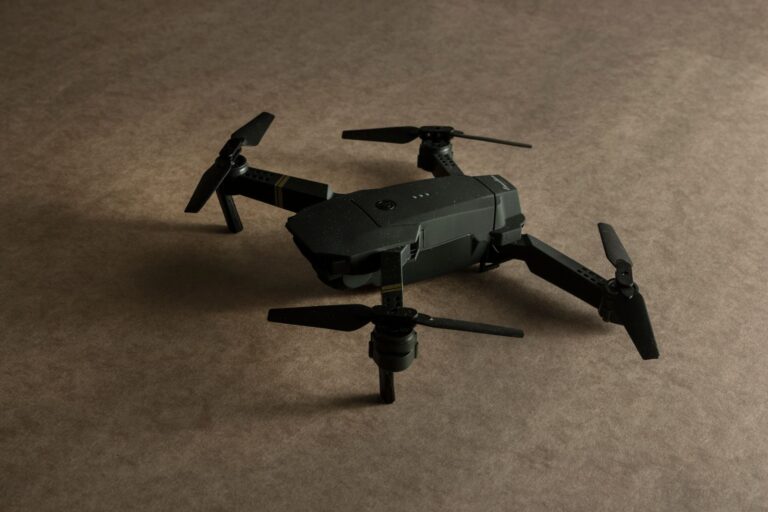
A drone is an uncrewed aerial vehicle (UAV) flown without a pilot on board. In a strike role, it either carries a warhead and crashes into a target ("one-way attack" or loitering munition) or drops and launches weapons and returns. The systems referenced in Middle East conflicts vary widely. Small commercial-derived quadcopters can carry light explosives over short distances.
Larger fixed-wing craft, sometimes called loitering munitions or "kamikaze drones," fly dozens or hundreds of kilometers on a preset route toward coordinates. Attribution — deciding who launched a drone — is technically hard and often disputed. Investigators rely on recovered wreckage, component analysis, flight-path data, and intelligence. Early claims frequently change, which is one reason a bare headline should not be taken as settled fact.
Why Jordan and U.S. positions come up
The United States has kept small numbers of personnel at facilities in Jordan for training, logistics, and regional operations. These are the kinds of sites that appear in reports of drone or rocket incidents across the region. Bases and outposts are fixed, known locations, which makes them predictable targets for a weapon that flies to coordinates.
That predictability is exactly why base defense against drones has become a major military focus. Because troop locations and incidents are sensitive, official confirmation often lags or stays vague. When you read a specific casualty count, launch source, or country of origin, look for it in named, on-the-record statements rather than a single anonymous claim.
How militaries counter attack drones
Counter-drone defense combines detection and defeat. Detection uses radar, radio-frequency sensors that pick up control links, electro-optical cameras, and acoustic sensors. The challenge is that small drones are slow, low, and have a faint radar signature, so they blend into clutter.
Defeat options fall into two broad groups, useful to scan quickly: Each has limits. Jamming fails against a fully autonomous drone that needs no live control link. Missiles can cost far more than the cheap drone they stop, creating an unfavorable "cost exchange." This economics problem drives much current research in automated, lower-cost interceptors.
- Electronic — jamming the control or navigation signal, or spoofing GPS to send the drone off course
- Kinetic — guns, missiles, nets, or interceptor drones that physically destroy or capture the target
What this means for a robotics and automation reader
Attack and defense in this space are increasingly automated, and that trend matters beyond the battlefield. Navigation, target recognition, and swarm coordination rely on the same sensing and control techniques used in civilian robotics. Autonomy raises the hard questions.
A drone that flies a preset route needs no human once launched, which complicates jamming-based defense and raises accountability concerns. The debate over how much decision-making to hand to a machine is central to both military and commercial robotics ethics. For practical reading, keep these limits in mind:.
- One report is not confirmation; wait for multiple named sources
- "Drone" covers everything from a hobby quadcopter to a long-range munition — specifics matter
- Attribution stated within hours is often revised later
Frequently Asked Questions
Can I confirm here whether Iran attacked U.S. positions in Jordan?
No. This page has no verified reporting to confirm the event, its timing, or who was responsible. Check current, named news sources.
Why is it hard to say who launched a drone?
Attribution depends on wreckage analysis, flight data, and intelligence, which take time. Early claims are frequently revised or disputed.
Why not just jam every attack drone?
Jamming targets the control or navigation signal. A fully autonomous drone flying a preset route may need no live link, so jamming can fail against it.