
Shoppa's Material Handling has unified its own warehouse-automation and material-handling capabilities under one company brand. It has not documented a new software platform, an acquisition, or a merger of the wider services sector, according to Fort Worth Inc.'s July 2026 report. The result is one provider for equipment, systems integration, and intralogistics—the storage and movement of goods inside a facility. Customers gain a consolidated sales and support route rather than a new industry-wide technology platform.
Table of Contents
- What actually changed?
- What is included in the unified offer?
- Who can use it, and where?
- Is this part of Toyota's separate reorganization?
- What should buyers verify?
What actually changed?
In July 2026, Shoppa's brought its warehouse-automation and intralogistics capabilities under the Shoppa's name. MHEDA's announcement describes one organization covering complete material-handling projects. The automation services were previously associated with advanced Intralogistics.
Shoppa's had described that business in 2023 as a family business and strategic partner for design, engineering, implementation, service, and support. Shoppa's also appointed Matt Racak senior vice president of warehouse solutions. The company says the 16-year employee will lead expansion across automation, systems integration, and material handling.
What is included in the unified offer?
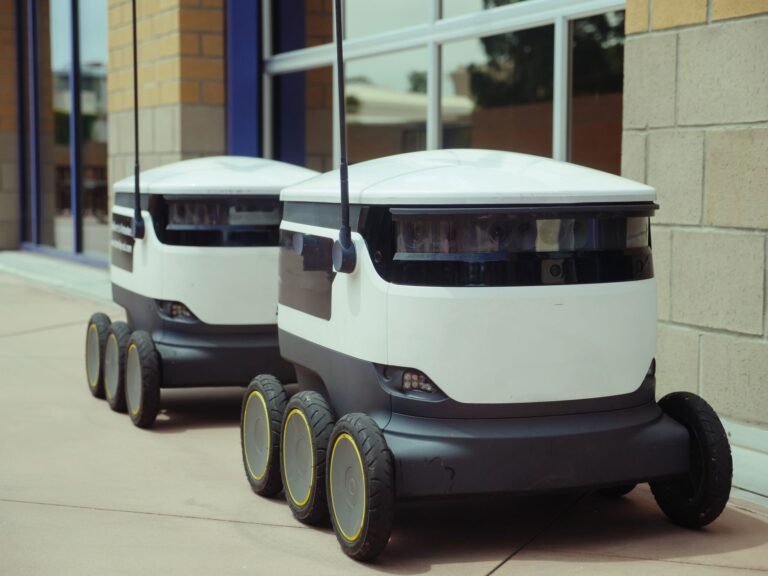
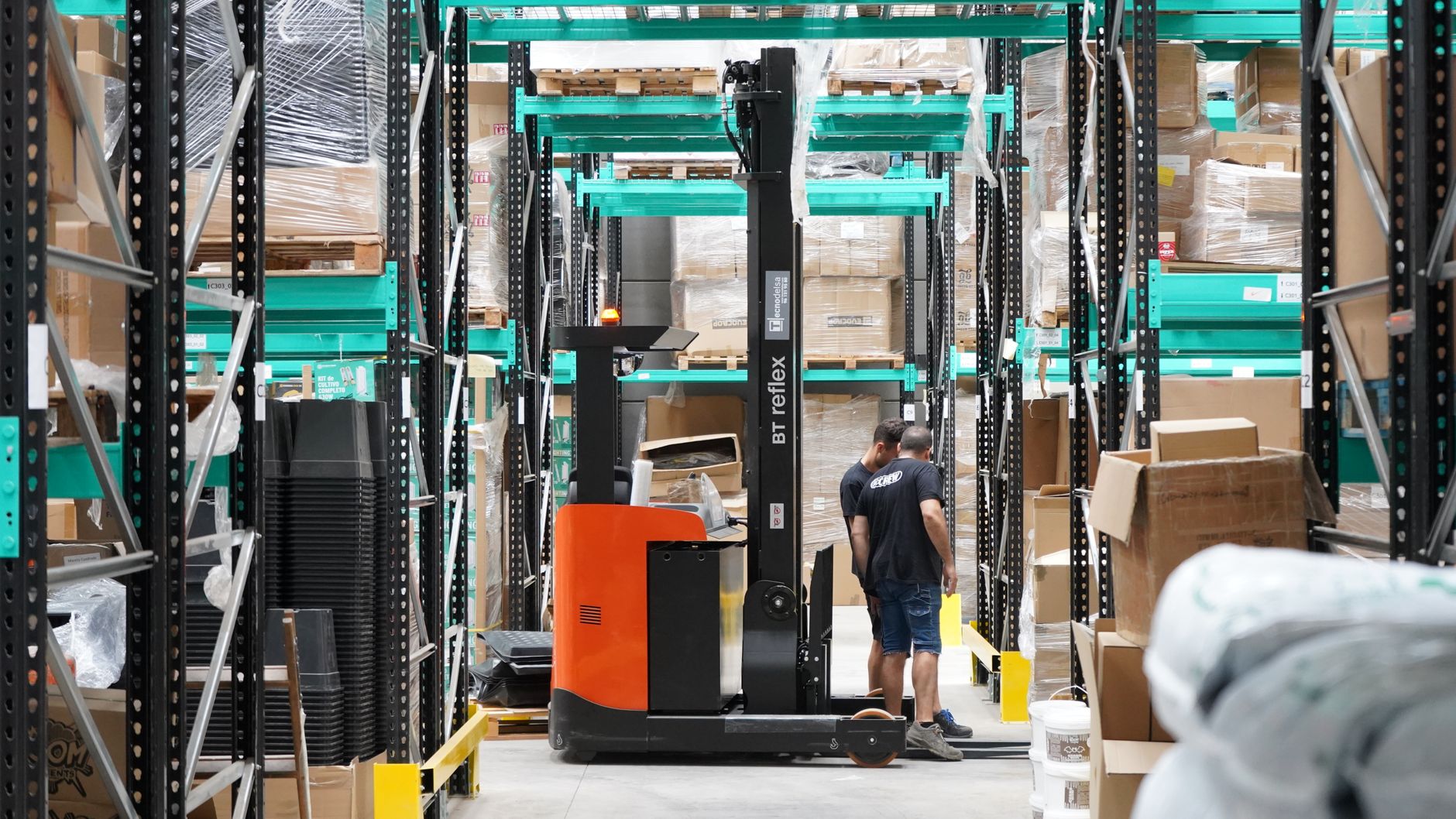
The portfolio combines Toyota forklifts with racking, dock equipment, energy and storage systems, floor-cleaning equipment, and warehouse design. It also covers systems integration, which connects equipment and controls into a working process. Automation options include conveyors, sortation, autonomous mobile robots, and automated guided vehicles or forklifts.
Automated storage and retrieval systems place and retrieve loads mechanically, while vertical-lift modules store goods in enclosed trays. The service component extends beyond equipment installation. Shoppa's also offers consulting, lean-management support, engineering, implementation, maintenance, and ongoing technical support.
Who can use it, and where?
The intended customers are manufacturers, distributors, and retailers seeking to improve storage and internal goods movement. A project could involve one technology, such as an autonomous mobile robot fleet, or an integrated combination of storage, conveyors, and lift trucks. Shoppa's operates from 12 locations across Texas, Missouri, and Kansas.
Its physical branch network is therefore more concentrated than the reach claimed for its automation work. Shoppa's intralogistics page says the integrated team can serve North American projects involving robotics, conveyors, AS/RS, guided vehicles, sortation, consulting, and warehouse design. Customers outside the three-state branch footprint should verify local technician coverage, parts availability, and response times.
Is this part of Toyota's separate reorganization?
No documented evidence connects the Shoppa's consolidation to Toyota Industries' separate 2026 warehouse-automation structure. The two moves run in parallel, but they are not the same organization.
Toyota Industries' materials-handling overview places Bastian Solutions, viastore, and Vanderlande's warehousing business under Toyota Automated Logistics. Shoppa's offers Toyota forklifts, but its brand consolidation does not place it inside that separate automation group.
What should buyers verify?
A single commercial and support relationship can simplify responsibility from consultation through ongoing service. It may reduce vendor handoffs, but it does not automatically establish better throughput, capacity, labor use, or financial returns.
Prospective customers should: Shoppa's presents productivity, labor, capacity, and financial improvements as goals. Buyers should require project-specific evidence and place system boundaries, acceptance criteria, and the escalation owner in the contract.
- Record baseline throughput, storage capacity, labor hours, downtime, and error rates.
- Define responsibility for equipment, controls, integration, installation, and support.
- Request acceptance tests tied to measurable operational targets.
- Check service coverage and spare-parts arrangements for every operating location.
- Test financial projections against realistic volume, maintenance, and staffing assumptions.