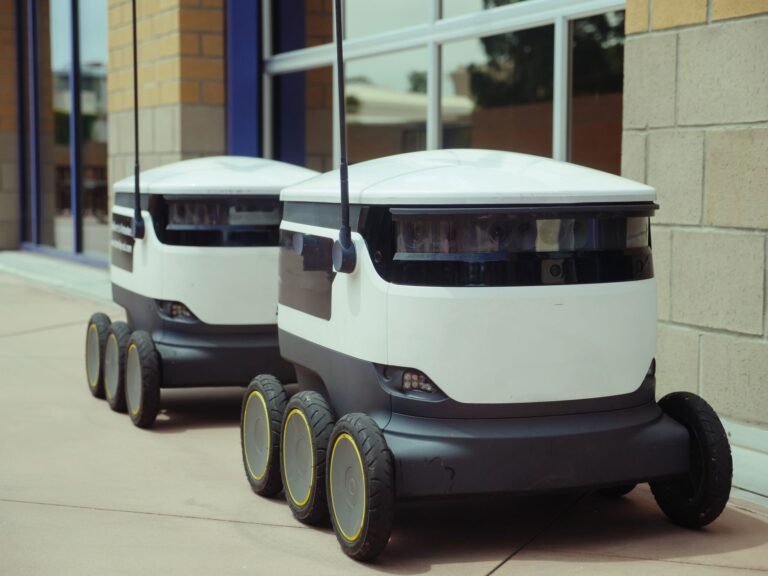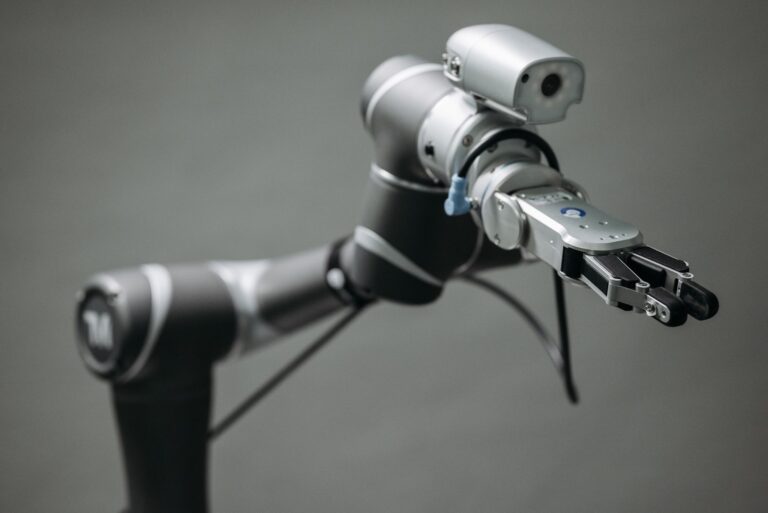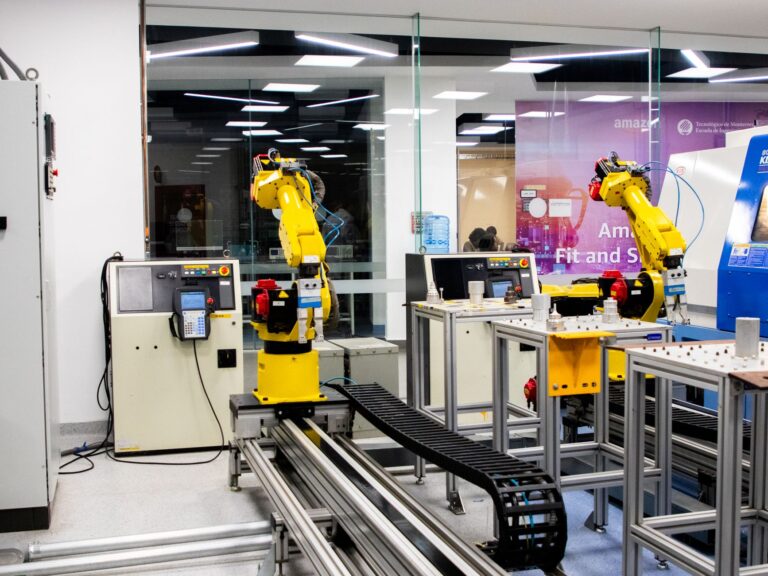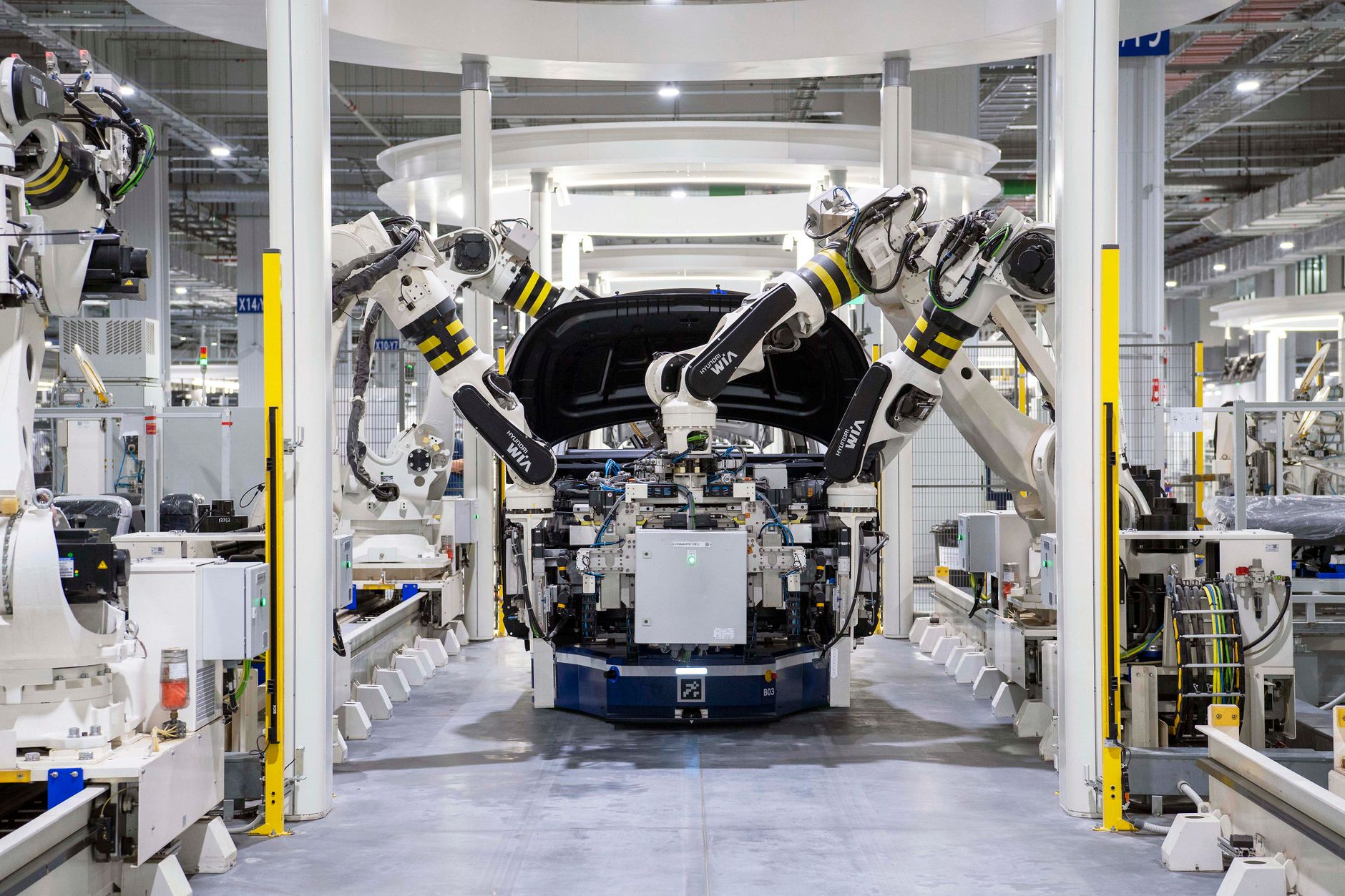

Industrial automation—the use of controls, sensors, drives, software, and machines to run production tasks—has no single best configuration. The right choice is the least complex system that meets required output, quality, flexibility, and safety at an acceptable lifecycle cost. A drive may outperform a robot for variable-flow equipment, while a robot may suit movement-heavy work that changes often. Compare options against the process constraint, not against headline speed or theoretical labor savings.
Table of Contents
- Match the system to the production constraint
- What performance improvement is realistic?
- Compare total cost, not equipment price
- Separate energy savings from speed claims
- Treat safety and cybersecurity as design gates
Match the system to the production constraint
Start by identifying what limits the process. Use the following questions to screen the main automation options: Next, write a measurable acceptance condition.
It might specify units per hour, changeover time, positioning tolerance, energy use, defect rate, or maximum recovery time after a fault. If two architectures meet that condition, favor the one with fewer integration dependencies. Extra capability has value only when the process will use it.
- Is the task mainly sensing, timing, and sequencing? Start with controllers and sensors.
- Does demand require changing a motor's speed? Evaluate a variable-speed drive.
- Does the task require reprogrammable physical movement? Evaluate a robot cell.
- Must several axes move in tight coordination? Evaluate dedicated motion control and industrial networking.
What performance improvement is realistic?
Measure performance at the line or plant level, not only at the automated station. A faster cell creates little value if material supply, inspection, packaging, or downstream equipment remains the constraint. A U.S.
Commerce analysis associated a 1% increase in industrial-robot density with a 0.8% productivity increase overall. The figure fell to 0.5% in high-adoption industries, suggesting diminishing gains as robot density rises (International Trade Administration). Treat those figures as context rather than a project forecast. Establish a baseline, automate one defined constraint, and compare actual output, quality, downtime, and changeover results with that baseline before expanding.
Compare total cost, not equipment price
The purchase price is only one part of installed cost. Compare each option across four categories: Calculate annual net benefit from added output, avoided defects, energy savings, and other measurable gains. Subtract added maintenance, support, training, and operating costs.
Simple payback is installed cash cost divided by annual net benefit. Use ranges when demand, uptime, staffing, or maintenance costs are uncertain. A project that works only under an optimistic production forecast has little room for commissioning delays or changing product demand.
- Acquisition: equipment, controls, tooling, sensors, and software.
- Deployment: engineering, installation, guarding, testing, and training.
- Operation: energy, maintenance, spares, support, and troubleshooting.
- Change: reprogramming, retooling, validation, and production interruption.
Separate energy savings from speed claims
Variable-speed drives can produce substantial savings in the right application. For variable-torque centrifugal fans and pumps, a 20% reduction in speed or flow can reduce power demand by about 50%, although actual savings depend on duty cycle and reduced-load efficiency (U.S. Department of Energy).
That example does not apply automatically to every motor-driven process. Record the existing load profile, expected operating speeds, motor efficiency, and drive efficiency before estimating savings. For synchronized motion, specify the cycle time and timing accuracy the process actually needs. Faster networking cannot overcome slow mechanics, poor material presentation, or an upstream bottleneck, so test complete machine behavior rather than relying on a communication specification alone.
Treat safety and cybersecurity as design gates
Robot integration requires more than selecting a payload and reach. OSHA says integrators must complete an application-specific hazard analysis and risk assessment, including for collaborative applications, before site acceptance (OSHA Technical Manual). Connectivity creates another design obligation.
NIST warns that linking industrial control systems with IT networks can expose safety, production, and economic operations to cyber incidents; it recommends response and recovery capabilities because layered defenses cannot eliminate all risk (NIST). Before approval, name the people responsible for operation, maintenance, safety validation, software changes, backups, and incident recovery. Include their training, tools, access, and response time in the project scope.