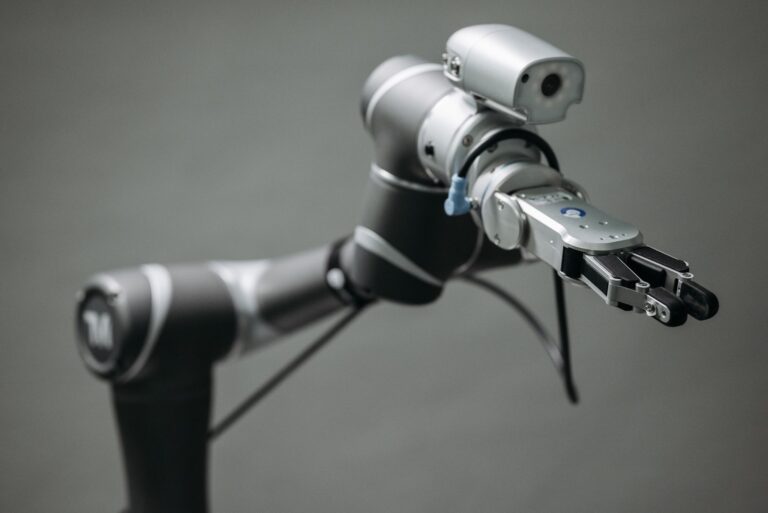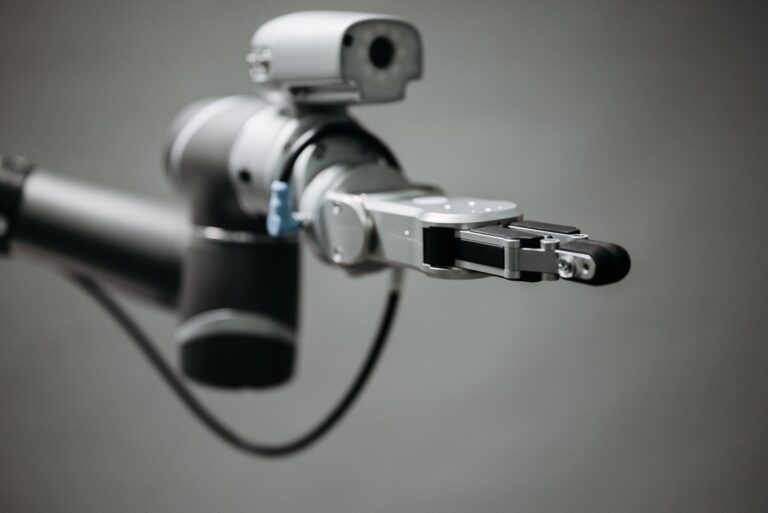

A 3D vision robot — an industrial arm that uses depth cameras to locate parts in space — earns its place through steadier throughput, fewer manual touches, and less rework. Payback happens when those steady gains outweigh integration, training, and upkeep across the life of the cell.
Use 3D vision where parts vary in position, orientation, or shape. It fits bin picking, mixed-case palletizing, machine tending, and assembly with loose tolerances. Fixed automation still wins for identical parts in identical spots.
Table of Contents
- What 3D vision changes on the floor
- Where productivity gains come from
- How staffing and roles shift
- How to judge payback
What 3D vision changes on the floor
A 2D camera sees outlines and contrast. A 3D system measures depth, so the robot can find a part that is tilted, stacked, or shifted. That lets one cell handle product changeover without new fixtures or precise presentation.
The trade is complexity. Lighting, reflective surfaces, and overlapping parts can confuse depth sensors. A good cell design controls light, limits the pick zone, and gives the robot clear rules for a missed pick.
Where productivity gains come from
Throughput rises less from raw speed than from fewer stops. The robot keeps working through variation that would stall a blind program or need an operator to reposition parts. Fewer jams mean higher usable output across a shift.
Quality gains matter as much as speed. The system can check presence, orientation, and seating before the next step. Catching a misloaded part early avoids scrap, rework, and damage to tooling downstream.
How staffing and roles shift
3D vision rarely removes every person from the task. It moves labor from loading, sorting, and inspection toward supervision, exception handling, and upkeep. One operator can often support several cells instead of staying tied to one station.
That shift calls for new skills. Staff need to clean sensors, manage part recipes, and restart the cell after faults. Plan training for sensor care, basic troubleshooting, and safe interaction around the robot.
How to judge payback
Payback rests on labor redeployed, overtime avoided, scrap reduced, and uptime protected. Weigh those against one-time costs for engineering, guarding, grippers, and software plus ongoing costs for maintenance, lighting, and program updates.
Cells with high variation, hard-to-staff shifts, or costly errors clear that bar sooner. Test the case before purchase with a short checklist: Walk away from a design that needs perfect lighting or perfect piles to hit rate.
- Run samples of your worst parts, not your cleanest ones
- Measure cycle time with missed picks and retries included
- Confirm who clears faults and how long restart takes
- Price spare sensors, gripper wear parts, and software support