
Construction robotics uses programmable machines to perform physical work on building and civil sites. Layout robots, bricklaying systems, and autonomous equipment cover three practical entry points: marking positions, building masonry walls, and moving earth or materials. Each type reduces repetitive measuring, lifting, or driving work while leaving supervision, setup, and inspection to people. The right choice depends on task repetition, site control, and how cleanly digital plans match field conditions.
Table of Contents
- Where do layout robots help most?
- How does robotic bricklaying work?
- What does autonomous equipment actually do?
- What decides whether these systems pay off?
Where do layout robots help most?
Layout means transferring design coordinates to floors, walls, or slabs so crews know where to drill, cut, or set partitions. A layout robot typically pairs a mobile base with a laser or prism system that positions itself against control points. It then prints, projects, or marks points and lines directly on the surface.
Crews still set control, check benchmarks, and confirm tolerances. The gain comes from speed on large, open floors and from fewer transcription errors between model and field. Clutter, uneven slabs, poor lighting, and unstable control points reduce reliability.
How does robotic bricklaying work?
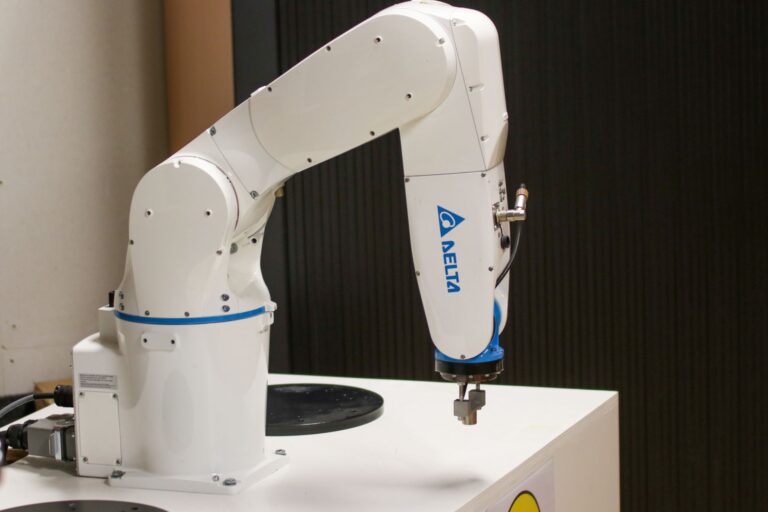
A bricklaying cell usually combines a robotic arm or gantry with conveyors, mortar delivery, and sensing for block position. It picks standard blocks or bricks, applies mortar or adhesive, and places each unit to a programmed bond pattern. A mason tender typically loads material, monitors joints, and handles corners, openings, and ties.
The method suits long, straight, repetitive walls with consistent units. Complex geometry, mixed materials, and frequent design changes add programming and handling time. Mortar curing, wind, dust, and wall bracing still require normal masonry judgment and protection.
What does autonomous equipment actually do?
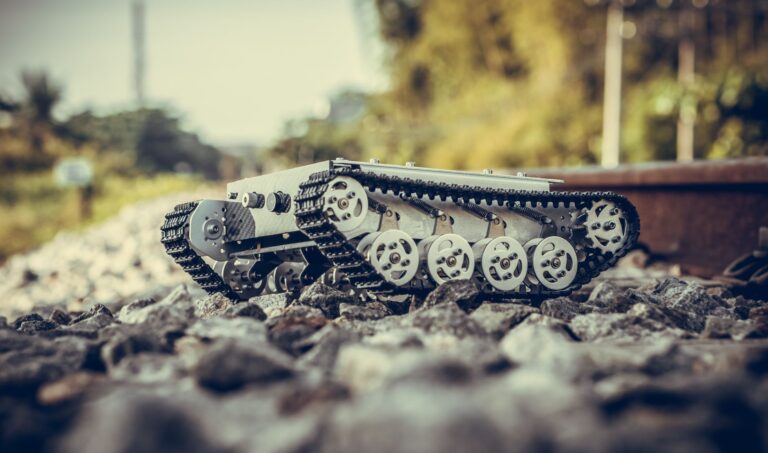
Autonomous construction equipment includes dozers, excavators, compactors, haulers, and mowers with automated steering, blade, or bucket control. Most deployments use supervised autonomy: the machine follows a planned path or grade while an operator monitors one or more units. Full driverless work is generally limited to fenced, well-mapped areas with clear rules for people and vehicles.
Navigation combines satellite positioning, lidar or cameras, inertial sensing, and onboard maps of haul roads and avoid zones. Site teams define boundaries, speed limits, and stop conditions before machines run. Dust, rain, signal loss, and changing ground conditions can degrade sensing and require a pause or remote takeover.
What decides whether these systems pay off?
All three systems need good inputs: an accurate model, stable control, staged material, and power or charging. When plans change daily, access is tight, or other trades crowd the workface, setup and waiting can erase machine time saved.
Jobs that fit tend to share simple traits. Plan for training, daily calibration, and a clear stop-work rule when sensing, marks, or grade look wrong. Track rework, idle time, and interventions for the first weeks before judging value.
- Repetitive marks, walls, cuts, hauls, or grades with few interruptions
- Open work areas with controlled access and clear machine-person separation
- Reliable models, control points, material flow, and maintenance support