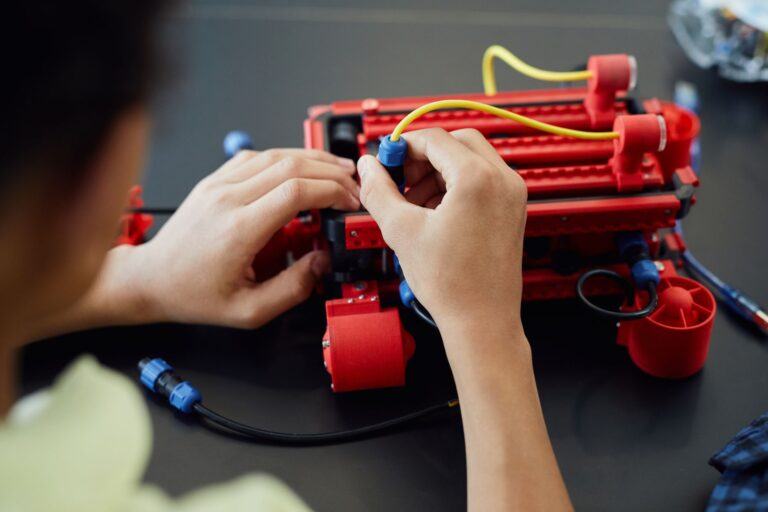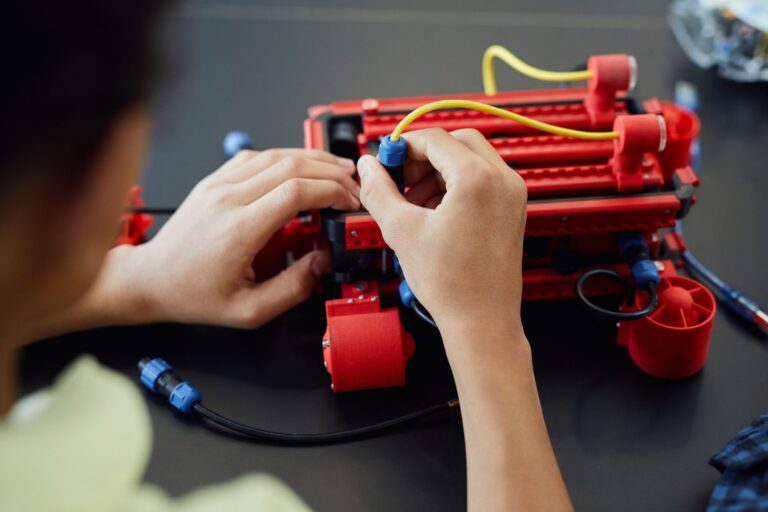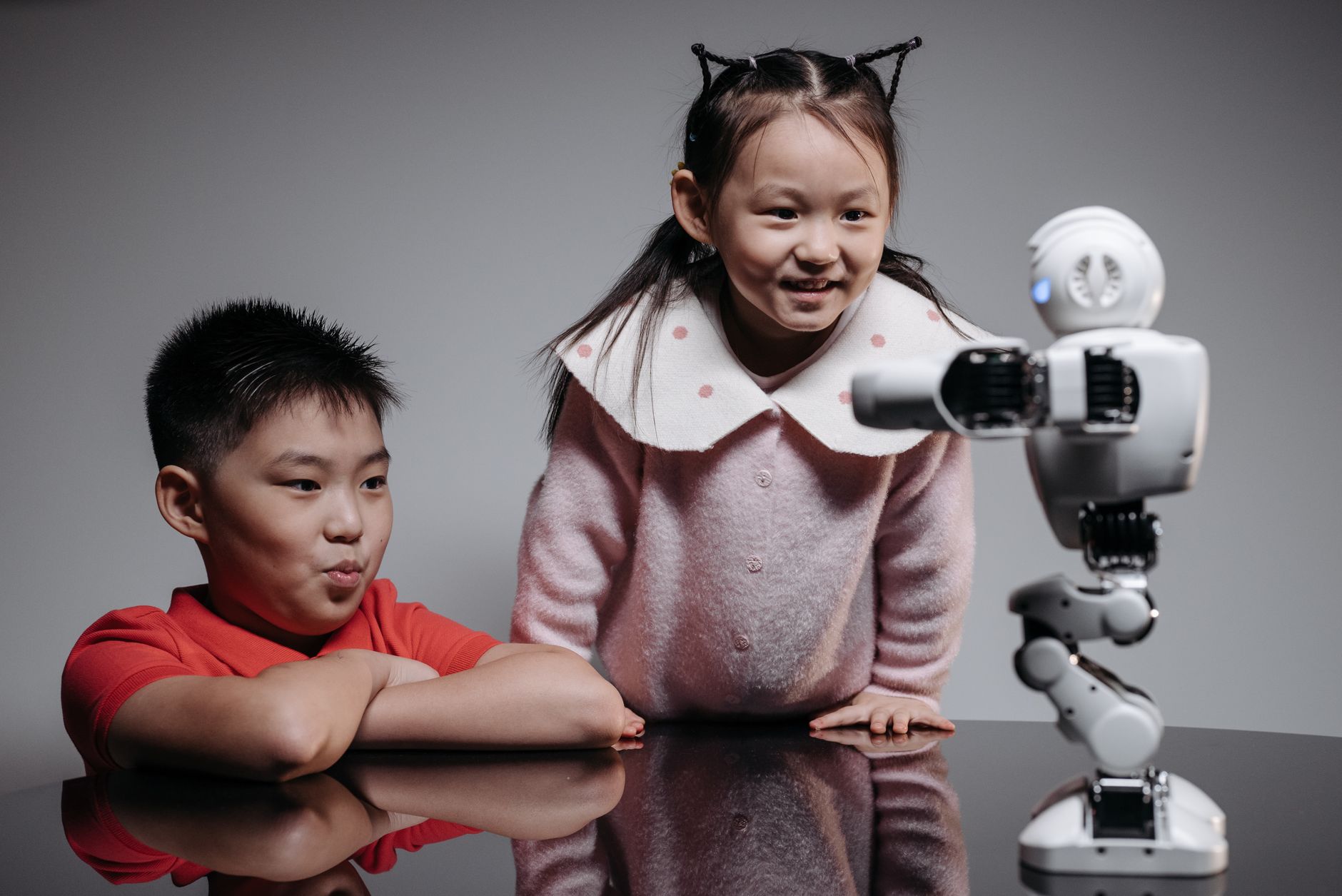

Educational robotics means using programmable kits and competitions to teach STEM, coding and problem-solving alongside science and math. In 2026 it affects K-12 students, university students and teachers, research shows moderate STEM gains, and the next step is aligning lessons to standards and funding training before buying hardware. UNESCO defines the field around classroom kits, competitions and regular science and math learning, according to the UNESCO TVETipedia glossary. That scope matters because buying decisions now affect students, teachers and course plans together.
Table of Contents
- Who learns and teaches with robotics
- What the evidence shows for STEM learning
- Why benefits do not reach every student
- What schools should buy and train first
Who learns and teaches with robotics
K-12 students build, program and test small robots during class units and after-school contests. University students use larger systems for design, coding and teamwork practice. Teachers select tasks, link them to science goals and judge progress.
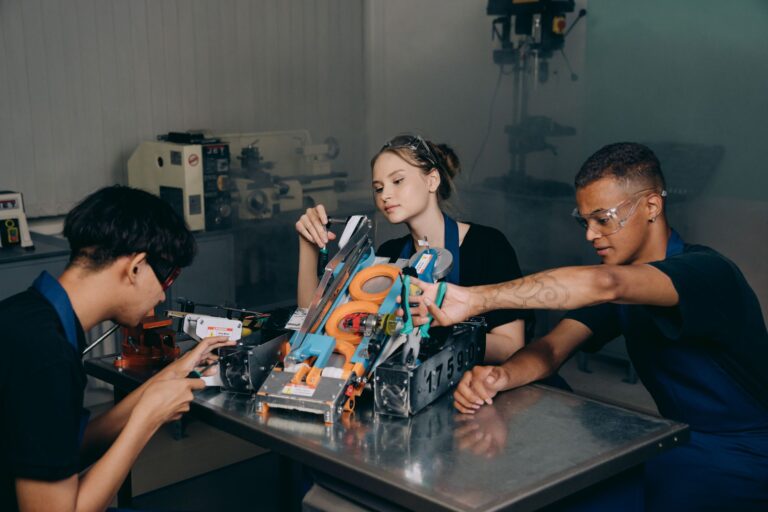
Competitions give this work public scale. FIRST says its 2026 FIRST Robotics Competition season, REBUILT presented by the Gene Haas Foundation, involves about 93,500 high-school students building industrial-scale robots, according to the FIRST 2026 season announcement. The format stresses collaboration and applied STEM skills.
What the evidence shows for STEM learning
A 2024 multilevel meta-analysis by Ouyang and Xu found moderate positive effects over non-robotics instruction, about g=0.49 for outcomes and g=0.66 for performance, according to the International Journal of STEM Education study. The pattern favors hands-on tasks that require testing and repair.
Gains cover more than test scores. Reviews link robot-based lessons to stronger thinking ability, spatial visualization and programming skills across levels. Effects grow when students write code, measure results and revise designs.
Why benefits do not reach every student
Cost is the first barrier. Kits, replacement parts, travel and event fees add up fast. Schools with tight budgets start later or field smaller teams.
Teacher support is the second barrier. Robotics lessons need setup time, troubleshooting and coding knowledge. Research in MDPI Education Sciences links high costs and weak training to concentration among privileged children, according to the MDPI Education Sciences equity analysis. The result is a wider digital divide.
What schools should buy and train first
Start with standards, staffing and upkeep, not hardware. A VEX Robotics guide recommends aligning robotics lessons to CSTA K-12 computer-science standards before expanding equipment.
That choice keeps coding goals clear across grades. Use this order for a new or growing program:.
- map each robot unit to a CSTA concept and science goal
- fund teacher training and paid setup time
- plan maintenance, storage and part replacement
- choose low-cost kits that support the mapped lessons
- add competition robots only after core classes run well