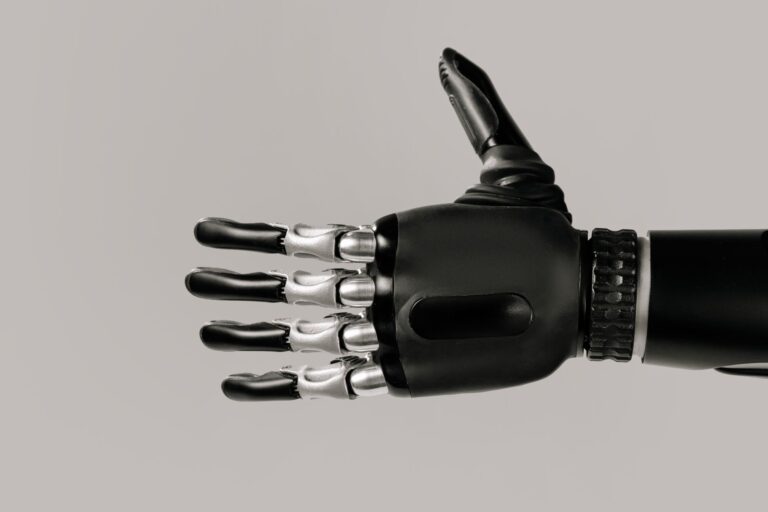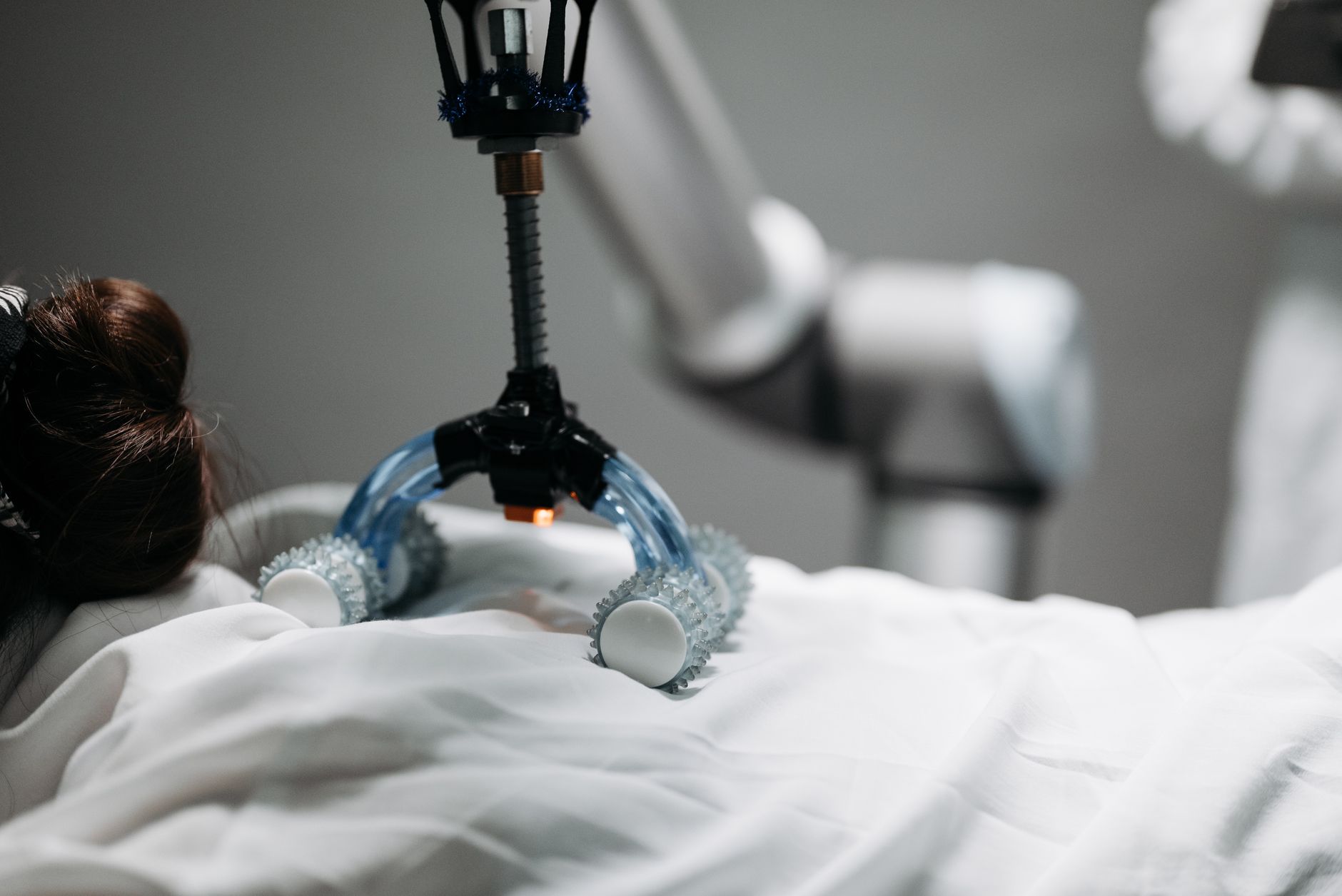

Healthcare robotics in 2026 means surgical assistants that improve cutting and suturing precision, plus mobile robots that move supplies through hospitals. This guide explains what each type does, which safety and cybersecurity rules apply, and what to ask vendors before deployment. Healthcare robotics covers machines that assist surgeons, plan joint replacement, transport materials, and support rehabilitation. Hospitals now pair operating-room systems with hallway delivery fleets, so buyers must weigh clinical limits, staff workflow, and IT support together.
Table of Contents
- What can surgical robots do?
- What do hospital delivery robots handle?
- Which safety standards apply?
- What cybersecurity and AI safeguards matter?
- What should you ask before deployment?
What can surgical robots do?
Intuitive Surgical's da Vinci 5 is a surgeon-controlled system for soft-tissue procedures. According to Intuitive Surgical, its optional Force Feedback instruments restore a sense of tissue pressure and showed up to 43% less force on tissue in preclinical trials the FDA clearance announcement. Clearance covers prior Xi indications except cardiac and pediatric uses, with a needle-driver contraindication in hysterectomy and myomectomy.
Zimmer Biomet's ROSA Knee works as a robotically assisted assistant for knee replacement. According to NS Medical Devices reporting on Zimmer Biomet, it combines 3D preoperative planning with live bone and soft-tissue data during surgery the ROSA Knee clearance report. Surgeons use that feedback to refine bone cuts, implant alignment, and gap balance for total and partial replacements.
What do hospital delivery robots handle?
Mobile manipulators and delivery robots carry labs, linens, medications, and supplies so nurses make fewer trips. Diligent Robotics' Moxi fleet reached nearly 100 robots in more than 25 U.S. hospitals and passed 1.25 million autonomous deliveries. Serve Robotics agreed on Jan.
20, 2026 to acquire Diligent and projected $200K–$400K in annual revenue per hospital deployment. Relay Robotics deployed two delivery robots, Dash and Daisy, at HCA Florida JFK Hospital. The Sept. 30, 2026 announcement says the robots move supplies inside complex hospital buildings and cut delivery work for clinical teams. Buyers should confirm elevator and door integration, cleaning for infection control, navigation in crowds, and uptime guarantees.
Which safety standards apply?
Surgical robots face medical-electrical safety rules plus robot-specific collateral standards. According to the International Electrotechnical Commission, IEC 80601-2-77 covers robotically assisted surgical equipment and IEC 80601-2-78 covers rehabilitation and assessment robots the IEC standards explainer. Those standards address basic safety, essential performance, markings, warnings, and mechanical hazards.
Clearance does not mean universal use. Even approved systems exclude specific patients, anatomies, and tasks. Hospitals still need trained operators, clear escalation paths, and maintenance schedules that match real case volume.
What cybersecurity and AI safeguards matter?
Connected robots are cyber devices under U.S. law. According to Censinet's summary of FDA policy, the final June 27, 2025 premarket guidance requires a machine-readable software bill of materials, threat modeling, and plans for disclosure and patching the FDA guidance summary. Incomplete filings can receive refuse-to-accept decisions, with alignment to the quality-management QMSR rule in Feb. 2026.
General AI tools need separate controls. According to ECRI, misuse of AI chatbots including ChatGPT, Claude, Copilot, Gemini, and Grok ranked as the No. 1 health-technology hazard for 2026 the ECRI hazards list. ECRI warns chatbots can state invented diagnoses, tests, and anatomy in confident language. Hospitals should block clinical use outside approved workflows and require clinician verification.
What should you ask before deployment?
Start with fit, not features. Confirm allowed patients and procedures, excluded uses, physical space needs, network demands, and staff time for training and cleaning. Pilot in one unit, measure delivery times, error handling, and staff workload, then expand only after workflow fixes stick.
- What are the contraindications, excluded populations, and prohibited tasks?
- How does the robot integrate with doors, elevators, EHR, and asset-tracking systems?
- What training, staffing changes, cleaning steps, and IT support does daily use require?
- What are purchase, installation, service, and software-update costs over five years?
- What cybersecurity artifacts, patch commitments, and uptime remedies does the vendor provide in writing?
You Might Also Like
- Simulation Digital Twins Robotics 2026 Guide: capabilities, safety, and deployment; Key Facts and Questions to Ask
- Research Robotics 2026 Guide: capabilities, safety, and deployment; Key Facts and Questions to Ask
- Programming Robotics 2026 Guide: capabilities, safety, and deployment; Key Facts and Questions to Ask