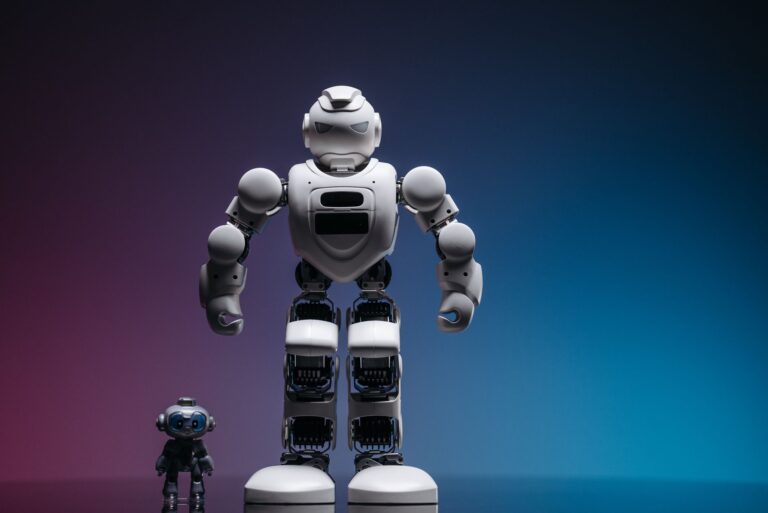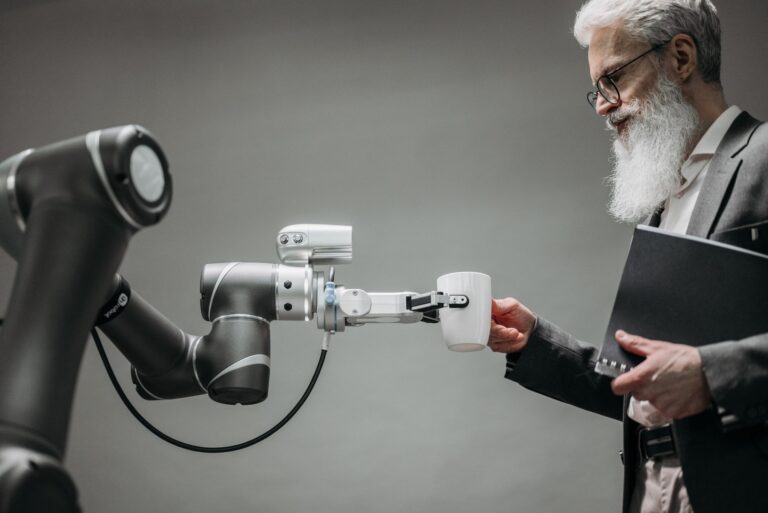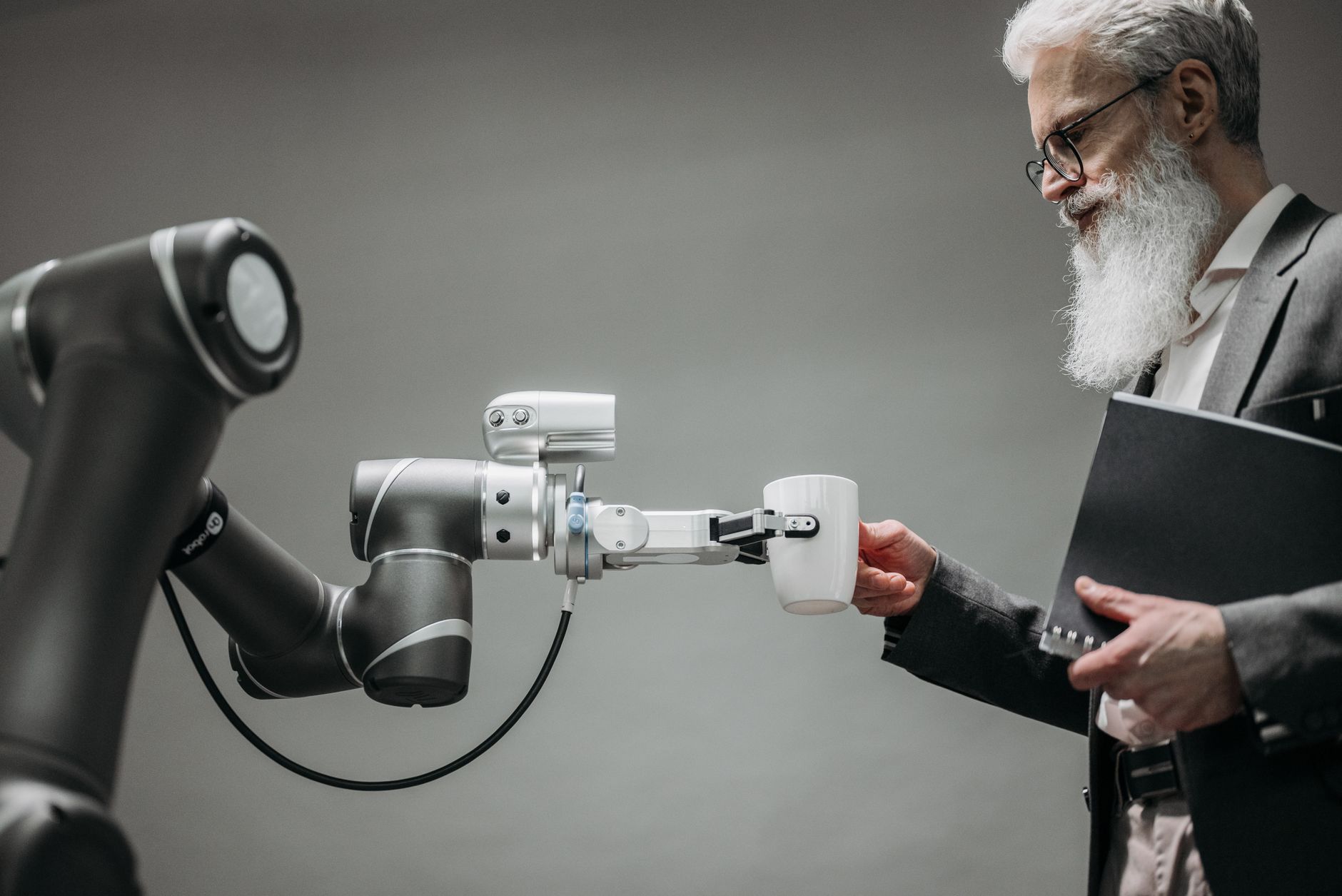

Robotics companies in 2026 build factory arms, service robots, and humanoids for manufacturing, logistics, food, automotive, and medical workplaces. Factory stock hit a record while service shipments rose fast, so buyers and workers should target proven tasks and check safety and training needs. Industrial robots are programmable machines that weld, assemble, move, and pack goods on factory lines. Service robots work outside factory cells, moving goods, cleaning, assisting patients, or helping customers.
Table of Contents
- Which factories are buying the most robots?
- Where are humanoids and service robots actually working?
- Who faces job and safety changes?
- What should buyers and workers do next?
Which factories are buying the most robots?
The International Federation of Robotics reports factory stock reached 5.079 million units in 2025, up 9% after 603,000 new installs record factory stock. That rise shows automation is now core equipment, not a pilot project, for high-volume producers. The Federation says China installed 354,000 industrial robots in 2025, up 20% for 59% of world installs.
Japan fell to 36,219 units and Korea held at 30,000. The Federation says the United States installed 38,400 industrial robots in 2025, up 12%, passing Japan as the second-largest market after China. That growth touches automotive, food, and logistics employers adding capacity or easing labor gaps.
Where are humanoids and service robots actually working?
The Federation reports professional service-robot shipments rose 24% to almost 250,000 units in 2025. Transportation and logistics led with 117,500 units for 47% share, while medical grew 19% and consumer robots grew 37%. BMW Group says its Spartanburg pilot used the Figure 02 humanoid to support production of more than 30,000 X3 vehicles over ten months BMW pilot update. It worked ten-hour weekday shifts inserting sheet metal for welding.
Amazon says it began testing Agility Robotics' bipedal Digit for tote recycling. Amazon also reports more than 750,000 robots already work with staff and Sequoia cut order-processing time up to 25%. The Federation cautions only about 7,000 full-size humanoids over 140 cm sold globally in 2025. Most remain specialized, often need teleoperation, and face safety, cost, and business-case barriers.
Who faces job and safety changes?
The World Economic Forum projects robots and autonomous systems will transform 58% of employers' businesses by 2030. It expects them to be the largest net job displacer, destroying about 5 million more jobs than they create. Manufacturing and logistics workers face the most direct task change.
The Association for Advancing Automation notes revised ISO 10218-1:2025 and ISO 10218-2:2025 replaced the 2011 robot-safety editions updated safety FAQ. OSHA states it has no robotics-specific standard, while NIOSH's Center for Occupational Robotics Research, set up in September 2017, studies safe human-robot work. That mix means employers must apply general safety duties and current consensus standards rather than wait for a single robot rule. Workers near cages, mobile units, and pilots should ask about risk assessments, training, and stop procedures.
What should buyers and workers do next?
Start with tasks with proven returns, such as welding support, material handling, tote recycling, and order processing. Match the robot type to the site: fixed arms for factory cells and mobile or service units for warehouse aisles and care areas. Use these checks before you buy, deploy, or train: Pilot one repetitive lift, move, or weld job and measure time, errors, and worker strain before adding more robots.
- Ask for cycle time, error rate, and upkeep needs on your exact parts and loads.
- Walk the safety plan, including risk assessment, fencing or speed limits, and stop tests.
- Train two staff to run, reset, and report faults before wider rollout.
- Track time saved, defects, and strain, then expand only where gains hold.