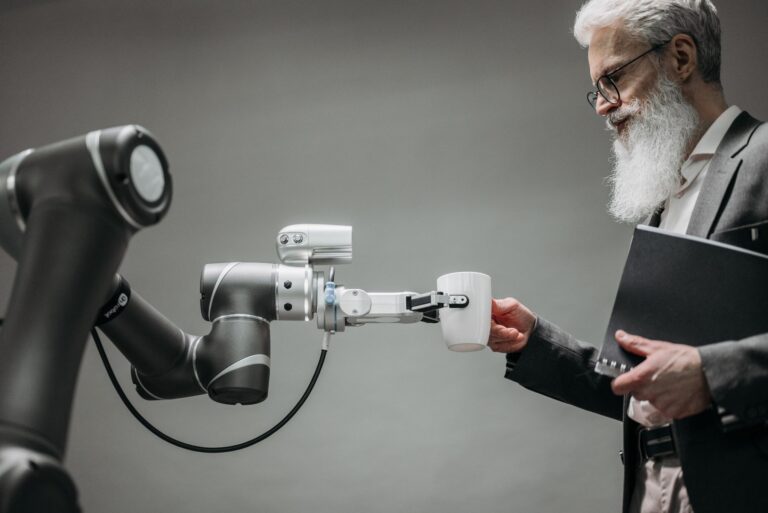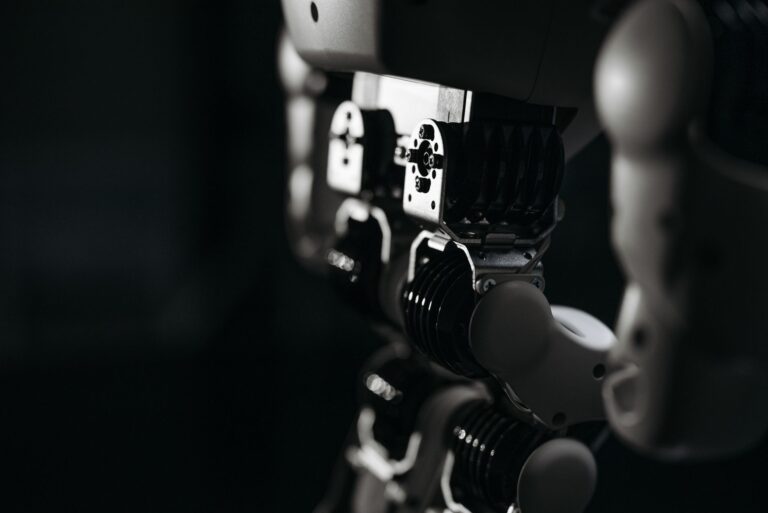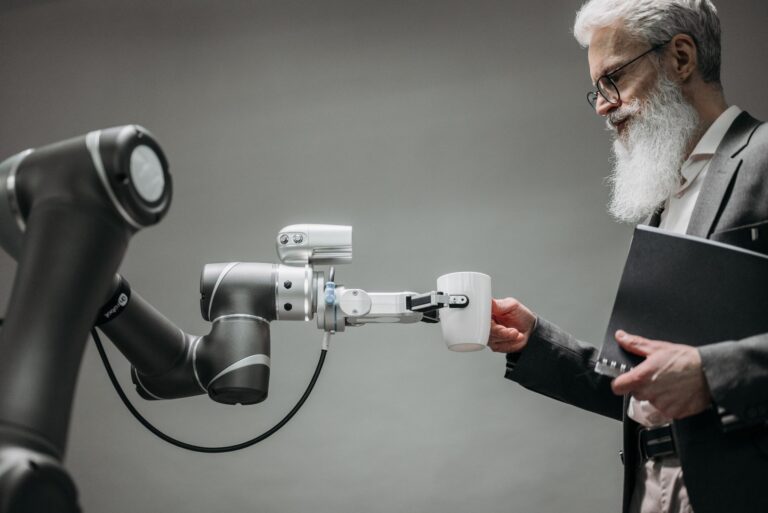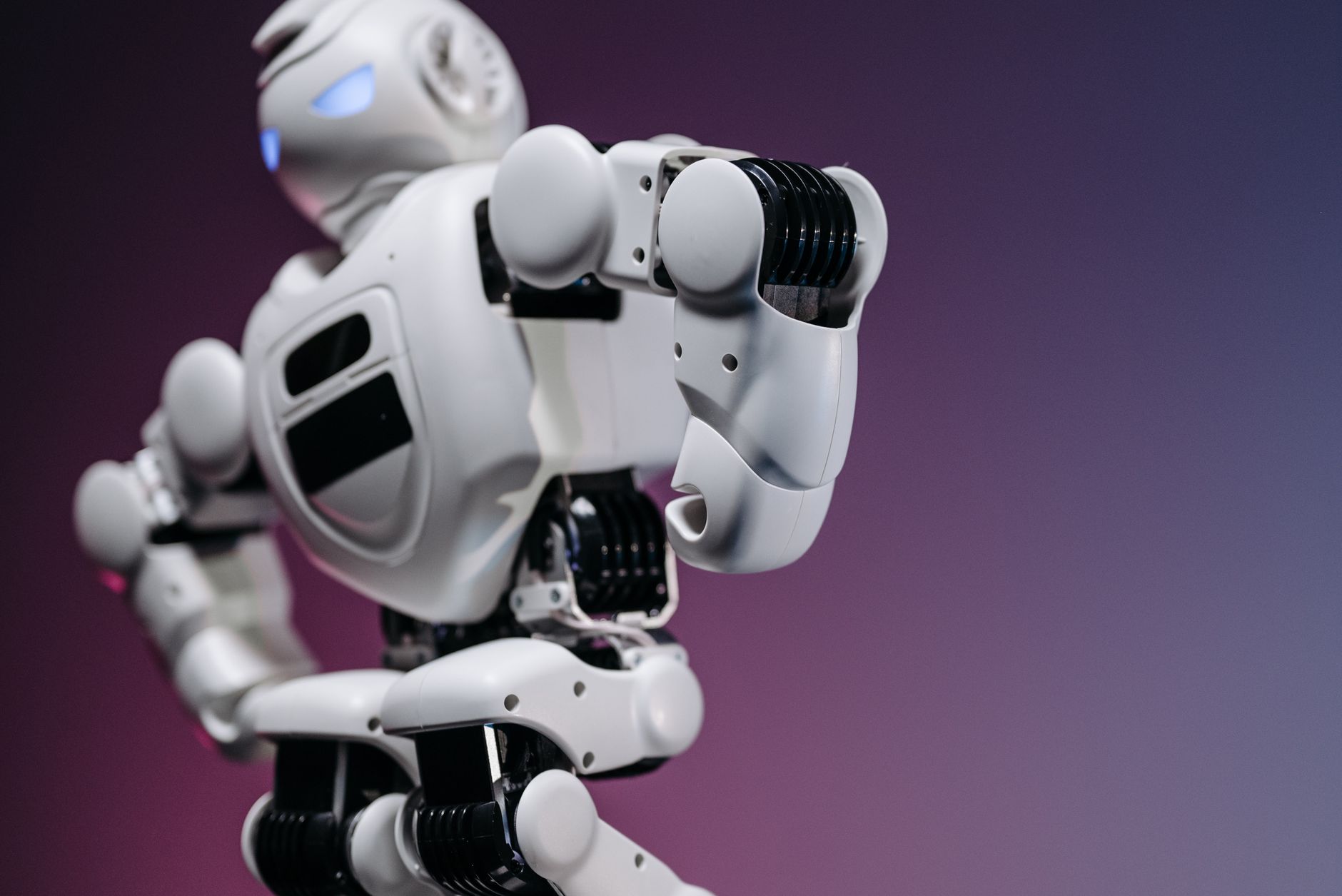

Robot regulation is the hardware and software that keeps a robot's motion, force, and behavior inside intended limits. It turns high-level commands into stable action through sensing, control logic, and safety constraints. Designers use it to prevent drift, overshoot, and unsafe contact. Buyers and integrators use it to compare stability, precision, and safety across robots for a specific task.
Table of Contents
- What does robot regulation cover?
- Which components do the work?
- What can regulation do well, and where does it stop?
- Where is regulation used in practice?
- What should you check before you deploy?
What does robot regulation cover?
Regulation maintains a target state despite friction, load changes, and disturbances. Common targets include joint position, tool speed, applied force, and body balance. The regulator measures error and corrects it many times per second.
It differs from planning and perception. Planning chooses where to go, perception interprets surroundings, and regulation executes the command accurately. Weak regulation shows up as vibration, slow settling, or force spikes even when planning is correct.
Which components do the work?
A regulation loop needs sensors, a controller, actuators, and limits. Encoders, force sensors, inertial sensors, and temperature sensors report actual behavior.
The controller compares feedback to the target and adjusts motor commands. Actuators and drives carry out those adjustments, while a separate safety layer enforces hard boundaries. That layer handles stop conditions, speed caps, and workspace zones.
- Feedback: position, velocity, force, tilt, and thermal state
- Control logic: motion, force, and balance loops tuned for the mechanism
- Execution: motors, grippers, brakes, and drive electronics
- Safeguards: limits, interlocks, emergency stop, and fault detection
What can regulation do well, and where does it stop?
Well-tuned regulation gives repeatable motion, smooth tracking, and controlled contact. It can hold a manipulator steady under changing payload, keep a mobile base on path over uneven floors, and limit contact force during assembly or inspection. Limits come from physics, sensing, and tuning trade-offs.
Stiffer tuning improves tracking but can cause oscillation or harsh contact. Softer tuning improves compliance but can reduce accuracy and response speed. Latency, sensor noise, backlash, and flexible links also cap performance.
Where is regulation used in practice?
Industrial arms rely on joint and Cartesian regulation for welding, dispensing, fastening, and machine tending. Force regulation matters when parts fit tightly, surfaces vary, or polishing and deburring require steady pressure.
Mobile robots combine wheel control, localization feedback, and obstacle behavior limits for warehouses and hospitals. Legged machines add balance regulation to stay upright while stepping or carrying loads. Aerial and underwater vehicles regulate attitude and thrust to reject wind or current.
What should you check before you deploy?
Match the regulation features to the contact and precision your task requires. A pick-and-place cell may need path repeatability, while assembly needs force control and collision response. Collaborative work needs certified speed and force limits plus predictable stops near people.
Ask for settling time, path deviation under load, force accuracy, and stop distance. Run trials with the real payload, tool, speed, and surface, including edge cases such as power loss and sensor faults. Test stop behavior under full payload before approving production use.