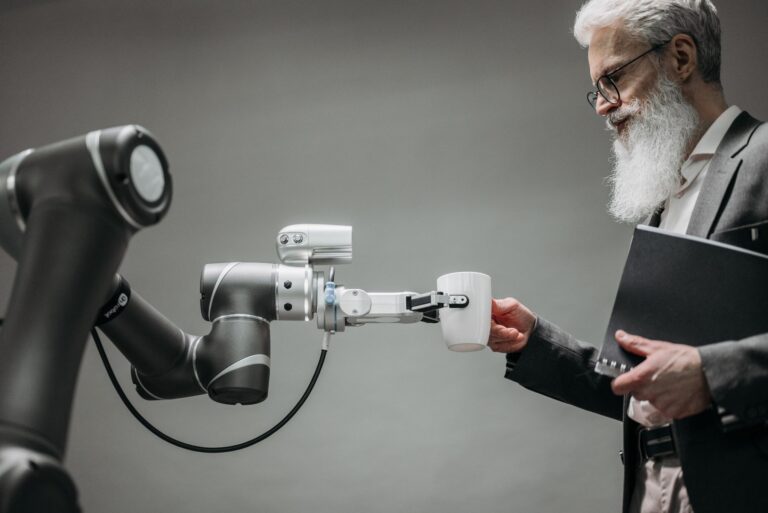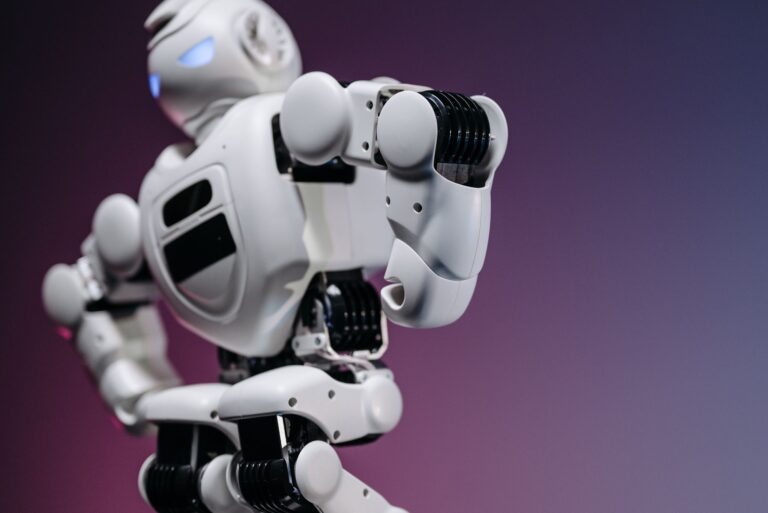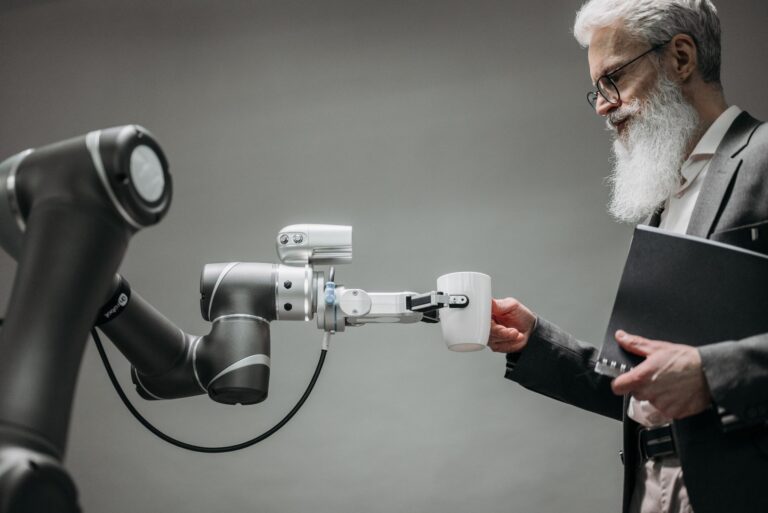

Robot ethics in 2026 means designing, deploying and overseeing robots under human rights, transparency, fairness and human oversight. This guide shows which systems set those duties, which applications face strict controls, and what deployment means for industry now. It focuses on practical duties for builders, integrators and buyers.
Factory arms, warehouse humanoids and medical robots now share the same core test: can a person understand, control and audit the system. High-risk uses in medical, machinery and infrastructure face formal risk management, documentation and post-market monitoring. Deadlines differ by category, so teams must check which date applies to their system.
Table of Contents
- What sets the ethical baseline?
- What does the EU require for high-risk robotics?
- How do safety standards work on the factory floor?
- Where are humanoids actually being used?
- What should your team check before deployment?
What sets the ethical baseline?
UNESCO reports that 193 Member States adopted the Recommendation on the Ethics of Artificial Intelligence in November 2021. It makes human rights, transparency, fairness and human oversight the baseline for AI including robotics. Builders can use that baseline to frame policy, procurement and review language. Read the UNESCO recommendation text for the full principles. The IEEE Standards Association publishes IEEE 7000-2021 for value-based design and IEEE 7001-2021 for transparency in autonomous systems. The first asks teams to name ethical values early and turn them into system requirements.
Britain's BS 8611, published April 2016, adds a clear design rule: do not build robots solely to kill or harm. It assigns responsibility to humans, not robots, and requires traceability for accountability, as described by BSI via Engineering and Technology Magazine. NIST issued its voluntary AI Risk Management Framework 1.0 in January 2023. It organizes trustworthiness around govern, map, measure and manage. A Generative AI Profile followed on 26 July 2024 for generative-model risks. US firms use the framework for insurance and procurement checklists, according to NIST.
What does the EU require for high-risk robotics?
The EU AI Act, Regulation 2024/1689 of 13 June 2024, sets duties for high-risk robotics in medical, machinery and infrastructure uses. It requires risk management, data governance, documentation, human oversight and post-market monitoring. Article 50 transparency duties applied from 2 August 2026. See the EU Official Journal text via EUR-Lex for the legal wording.
Enforcement timing is uneven because harmonized standards and notified bodies were not ready. High-risk duties originally due in August 2026 were deferred by Regulation 2026/1744. Annex III systems move to 2 December 2027 and embedded Annex I machinery to 2 August 2028, according to the Regulation AI tracker August 2026 update. The delay changes sequencing, not responsibility. Buyers should still demand audit-ready controls in current contracts.
- Confirm whether your robot is Annex III or embedded Annex I machinery
- Require documentation, logging and human-oversight controls in writing
- Plan post-market monitoring even if formal assessment comes later
How do safety standards work on the factory floor?
ISO 10218:2025 splits industrial-robot safety into Part 1 for manufacturers and Part 2 for integrators. It makes functional-safety requirements explicit and folds in collaborative-robot guidance from ISO/TS 15066. It also adds cybersecurity, according to IDEC USA. See the IDEC overview of ISO 10218 revisions for the structure. Manufacturers must address design, safety functions and instructions for safe use.
Integrators must address cell layout, risk assessment, collaborative limits and secure setup. The split matters because most injuries come from integration, not the bare arm. Compliance is already being tested in the market. SGS verified Dobot CR 30H compliance on 7 May 2026, according to SGS via EIN Presswire. Ask suppliers for the exact model, standard version and test scope.
Where are humanoids actually being used?
China established lifecycle safety-ethics standards for humanoid robots on 2 March 2026. They cover physical, network, algorithm, behavioral and application safety, according to the Digital Watch Observatory. The plan links those rules to placing 10,000 humanoids into manufacturing, logistics, healthcare and emergency jobs to generate operational data, according to eWeek. In 2026 humanoids moved from demos to factory, warehouse and early-home deployment.
Leading deployments include BMW-Figure, BMW-Hexagon AEON and Mercedes-Apptronik Apollo. Market estimates cited by Vicon point to $6.24B in 2026 toward $165B by 2034. Read the Vicon 2026 humanoid overview for deployment context. Scale remains narrow compared with factory workforces. Current fleets are in the hundreds to low thousands, so buyers should judge vendors on uptime, safety records and service support.
What should your team check before deployment?
Start with human control: who can stop the robot, who reviews its logs, and who owns harm. Write those names into operating procedures, not only into policy files. Require traceability from design choice to accountable person, as BS 8611 emphasizes. Check data and transparency next. Confirm what sensors collect, where data goes, how long it stays, and what users are told.
For generative features, apply the NIST Generative AI Profile risks in procurement questions. For EU deployments, align documentation and monitoring with the AI Act duties above. Finish with a live pilot under load. Test handover to people, failure alerts, access controls and update rollback. Keep a named person accountable for each deployed robot and review audit logs on a fixed schedule.