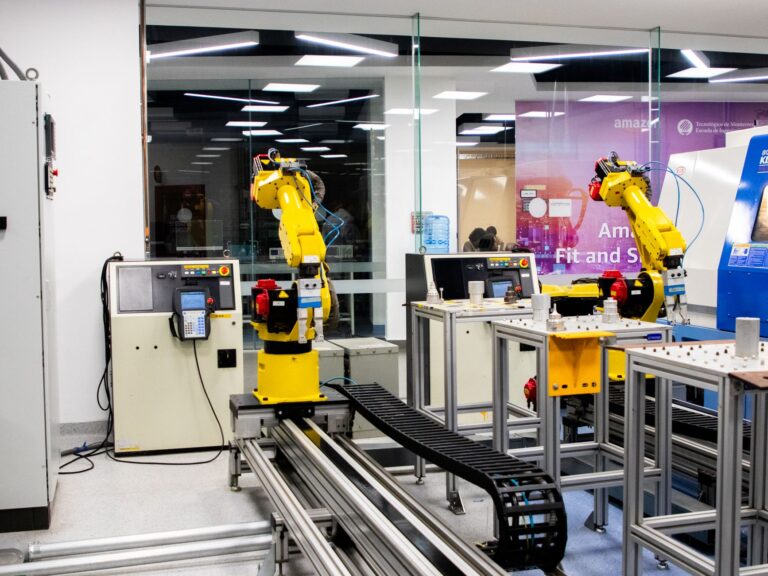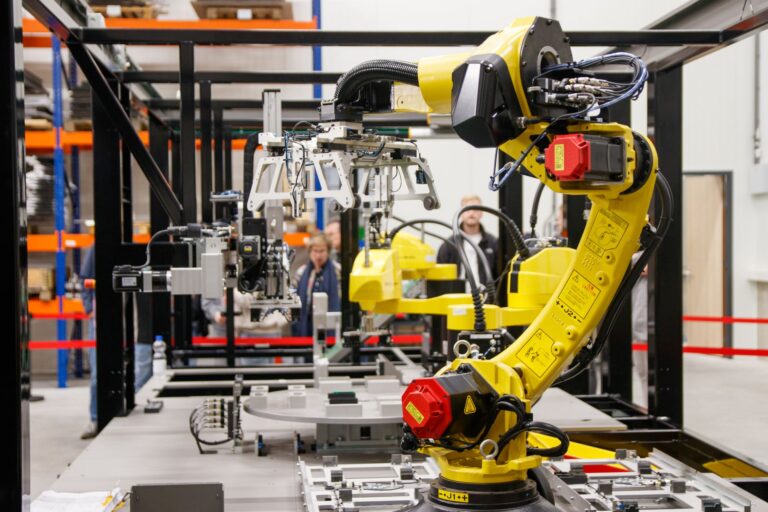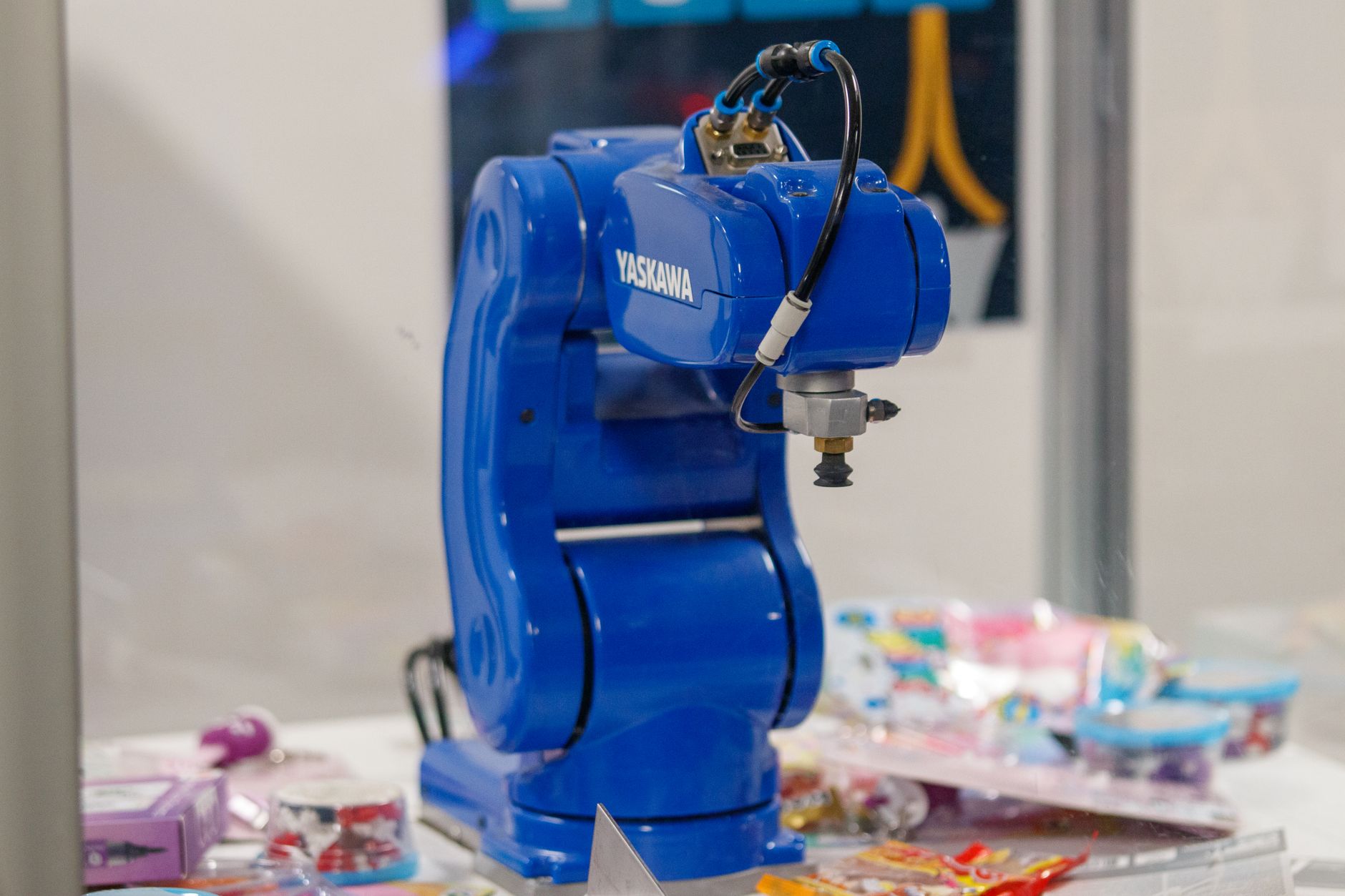

Rental robotics programs let small manufacturers use robots without buying them. The shop pays a predictable monthly fee or pays only for hours the system runs, while the vendor supplies the hardware, software, and upkeep.
The common name is robotics-as-a-service, or RaaS. It shifts spending from equipment ownership to operating cost. That structure fits shops with tight capital and changing orders.
Table of Contents
What do you pay for?
Most plans remove the purchase price. The factory pays no upfront equipment or engineering fee and then pays a low rate for functioning time. Formic describes rates from about $8 per hour in its customer explanation.
That hourly model changes how managers judge a cell. Idle time costs less because the charge follows uptime. Standard Bots explains in its RaaS guide that the fee covers hardware, software, and upkeep on a subscription or pay-as-you-go basis.
What does the vendor handle?
The vendor scopes, designs, installs, and programs the cell. It also supplies maintenance, spare parts, and monitoring under the same hourly charge.
Formic reports that bundle averages 42% lower operating expense, or about $25,000 in annual savings per system. A practical check helps before signing:.
- Ask what is bundled: programming, grippers, guarding, spares, monitoring.
- Ask who responds to faults and how fast.
- Ask how product changes trigger retooling.
- Ask how uptime is measured for billing.
How does rental welding work?
A rental welder can add arc-welding capacity without capital investment or installation cost. One example is Hirebotics' BotX welder, built on Universal Robots' UR10e cobot. Universal Robots states in its Hirebotics announcement that shops pay only for hours actually welded, with cloud monitoring included.
The cloud link also supports round-the-clock vendor support. That lets a shop add or release welding capacity as orders change. Small-batch runs can then use automation without buying a fixed cell.
Where are the limits?
Short rentals are temporary by design. Total Automated Solutions, described by Controls Drives Automation, offers a configured cell for a 2–6 month proof-of-concept trial at the plant or its workshop, with programming, grippers, guarding, and safety integration.
Use the trial to test cycle time, labor savings, and fit. Formic also re-engineers the cell when products change, such as adding a new gripper, while still charging only for uptime. Mitsubishi Electric US notes in its rental overview that the vendor collects the robots when a short lease ends and the plant resumes manual production.