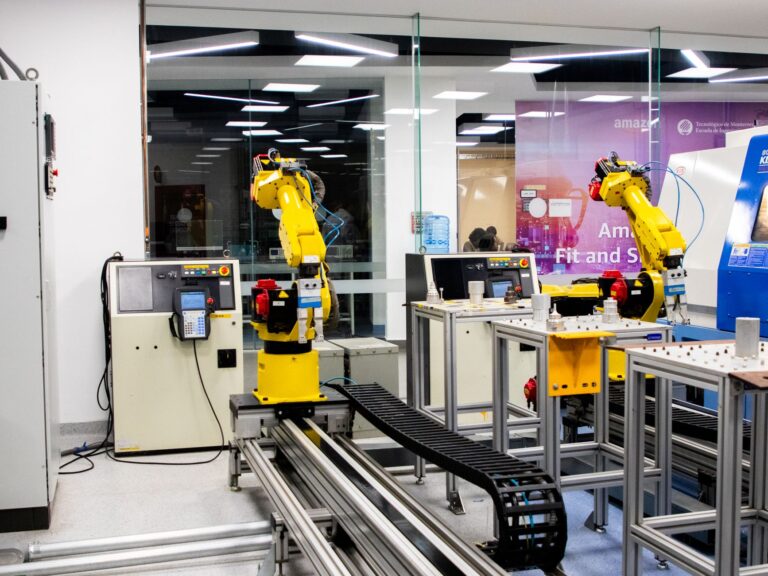
Warehouse robots need natural language processing this winter because seasonal surges demand faster, simpler coordination between people and machines. Natural language processing, the software that interprets spoken or typed commands, lets floor staff assign tasks without coding or pendant controls.
Temporary workers arrive with little robot experience. Product mixes change weekly. Clear voice and text input reduces confusion during those shifts.
Table of Contents
- What workers can tell a robot
- Why winter shifts make language valuable
- Where understanding still breaks down
- What to set up before peak weeks
What workers can tell a robot
A picker can say "take this pallet to lane four" or "pause and wait here." A supervisor can type "prioritize outbound orders until noon." The robot converts words into a destination, action, and order. This differs from button presses or fixed scripts.
Staff describe the goal, not joint angles or map coordinates. That lowers training time for new hires.
Why winter shifts make language valuable
Winter peaks bring new staff, revised layouts, and bulky gloves. Touchscreens and teach pendants slow down with gloves. Spoken phrases keep hands free and work moving. Managers reassign robots between receiving, picking, and packing as orders shift.
A short command updates the job faster than reprogramming a route. Teams can respond to backlogs without waiting for a specialist. For example, a lead can redirect one robot from replenishment to shipping during a rush. The rest keep working. The floor adapts without stopping the line.
Where understanding still breaks down
Speech software can mishear names, aisle numbers, or accents in noisy halls. Vague requests like "move that over there" have no clear target. Robots need confirmation rules for unclear input. Safety limits must stay outside language control.
A robot should refuse "go faster near people" or "enter the blocked aisle." Speed, force, and no-go zones need fixed settings. Cold air, masks, and engine noise lower recognition accuracy. Sites with many similar aisle names face extra confusion. Testing with real voices catches these issues early.
What to set up before peak weeks
Start with a small command set tied to daily jobs. Use exact aisle names, simple verbs, and fixed confirmation phrases. Add more phrases only after basics work reliably.
Keep the setup practical: Test the full set during a noisy shift before volume climbs. Include gloved staff, temporary hires, and forklift traffic. Keep pendant or tablet control available as backup.
- post allowed commands near each station
- require the robot to repeat its destination before moving
- assign one person to approve new phrases
- review misunderstood commands each week