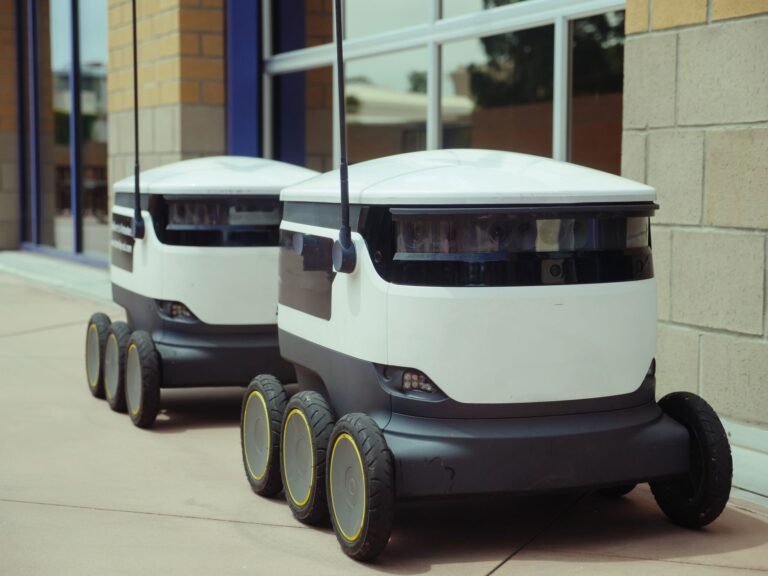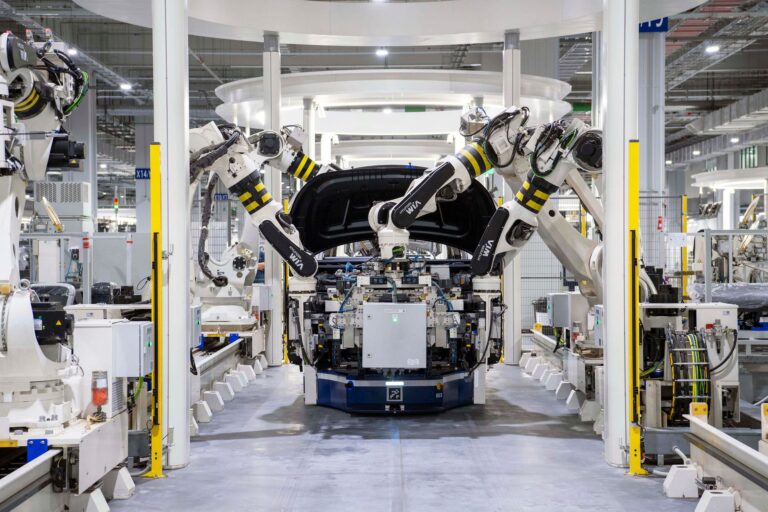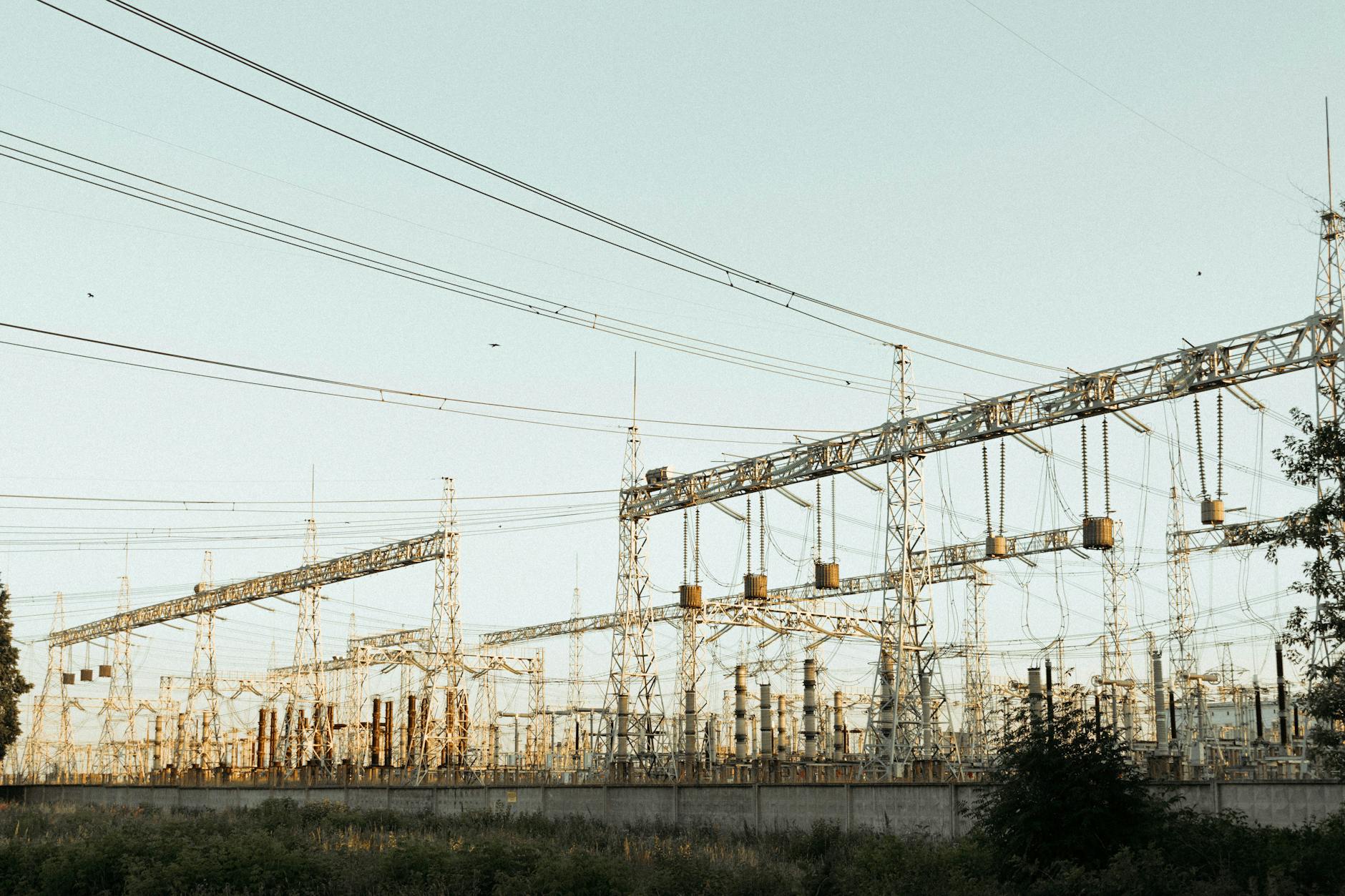

AMPX is a distributed energy infrastructure platform designed to power the growing ecosystem of autonomous systems, robots, and industrial automation equipment. Rather than relying on centralized power distribution or traditional grid connections, AMPX provides modular, scalable energy delivery systems that can be deployed directly where automated operations occur—from warehouse floors to manufacturing facilities to mobile robotics platforms. This approach solves a critical bottleneck in automation deployment: most facilities built before the automation era lack adequate, distributed power architecture to support dense concentrations of intelligent machines.
The system addresses a real problem facing integrators and operators. A modern warehouse deploying hundreds of autonomous mobile robots, conveyor systems, and vision-based picking stations needs power redundancy and localized distribution that older electrical infrastructures simply cannot provide. AMPX enables this by creating modular energy nodes that can be positioned throughout a facility, eliminating the need for expensive rewiring or centralized power bottlenecks that would otherwise require significant facility upgrades before automation can be installed.
Table of Contents
- How Does Distributed Energy Infrastructure Support Modern Automation?
- What Are the Technical Challenges of Automation Energy Infrastructure?
- Real-World Implementation in Automation Operations
- Evaluating Distributed Versus Centralized Automation Power Strategies
- Monitoring and Maintenance Challenges in Distributed Energy Systems
- Integration With Energy Management and Sustainability Goals
- The Evolution of Automation Energy Infrastructure
- Conclusion
How Does Distributed Energy Infrastructure Support Modern Automation?
Traditional industrial facilities distribute electrical power through centralized substations and main distribution panels—a design that works fine for stationary equipment but creates problems for automation. autonomous systems require consistent, available power at multiple points throughout a space, and they often need that power distributed differently as operations change or new robots are added. A warehouse that reconfigures its layout quarterly for seasonal demand cannot afford to rewire its entire electrical system each time.
ampx solves this by distributing power delivery points throughout a facility using standardized modules that connect to a backbone infrastructure. Each module can serve multiple devices and can be easily relocated, repowered, or added without disrupting existing systems. For example, a 3PL facility expanding its robot fleet from 50 to 200 mobile robots can add new power nodes in expanded zones rather than rebuilding the facility’s main electrical plant. The modular design also means power redundancy can be engineered locally—if one node fails, nearby nodes can reroute power, keeping operations running rather than causing facility-wide outages.
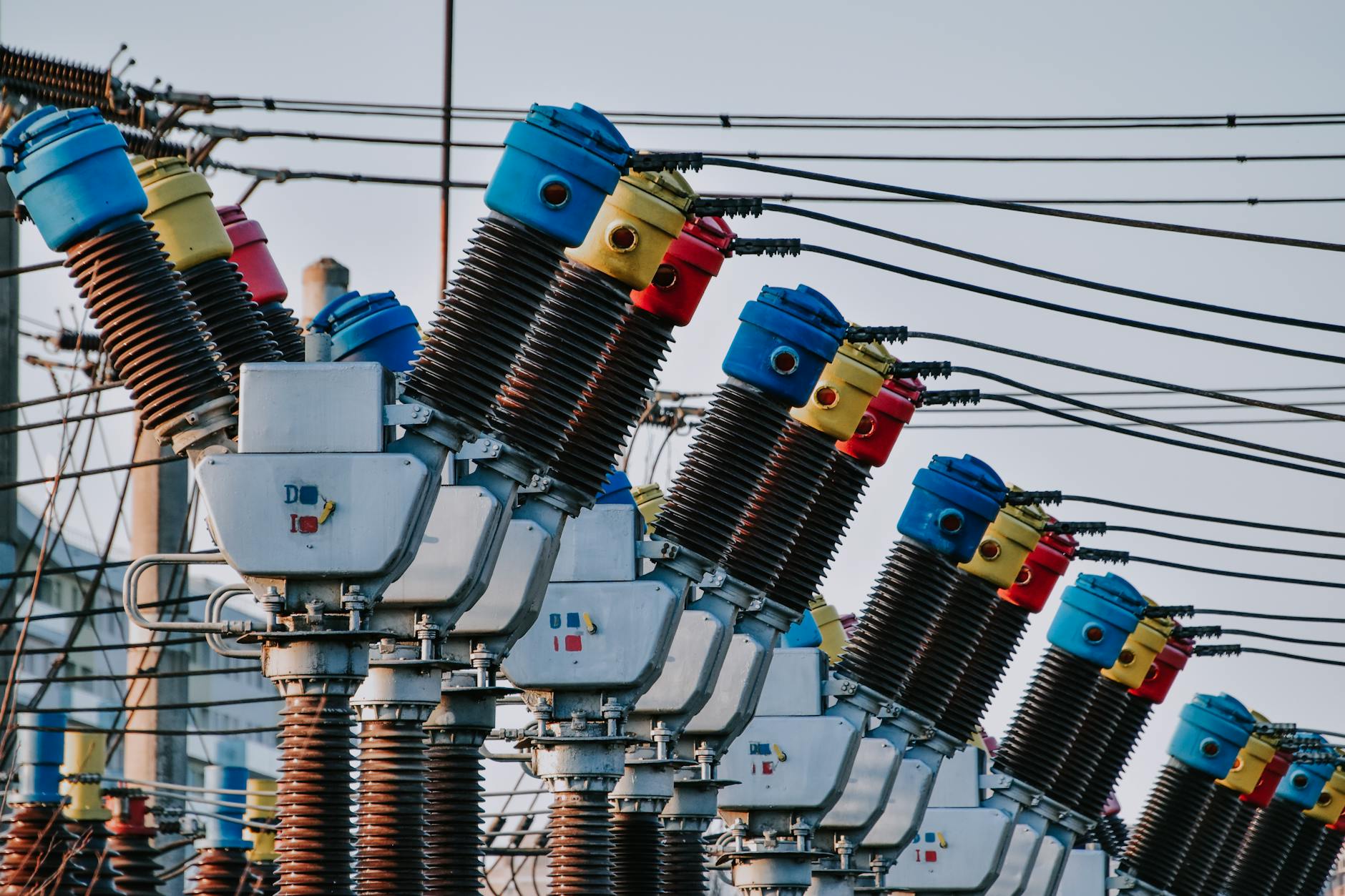
What Are the Technical Challenges of Automation Energy Infrastructure?
One critical limitation of any distributed power system is the engineering complexity it introduces. You can no longer simply oversee a single main panel; instead, you need monitoring and management across multiple nodes, which requires control systems, monitoring software, and fault detection across the entire distributed network. A single point of failure in the backbone infrastructure that connects all nodes can still bring down the facility, so redundancy must be engineered at multiple levels—something that adds cost and engineering overhead upfront.
Another practical limitation is that not all automation equipment plays well with distributed power. Some heavy industrial equipment—large CNC machines, high-power presses, or large servo systems—still requires direct, high-capacity connections that are difficult to deliver through distributed architecture. Facilities with mixed workloads (some equipment requiring high, steady power; some requiring flexible, modular power) often need hybrid approaches, using AMPX for mobile and flexible systems while maintaining dedicated connections for power-hungry stationary equipment. This hybrid reality means that most modern facilities cannot eliminate their traditional electrical infrastructure entirely; instead, they layer AMPX on top of it.
Real-World Implementation in Automation Operations
Consider a semiconductor equipment manufacturer that uses hundreds of autonomous mobile robots to transport materials between production areas. The facility’s original electrical infrastructure was designed for 1990s manufacturing—centralized power with heavy reliance on large substations in the corners of the building. With mobile robots, power delivery needed to follow the robots, not stay fixed to facility walls. By implementing AMPX, the facility distributed power nodes throughout each production area, allowing robots to charge or connect power near their actual work zones rather than traveling to centralized charging areas.
This reduced robot downtime by roughly 15 percent simply because machines spent less time traveling to and from charging stations. The same company also gained operational flexibility. When they restructured their production layout—a change that would have previously required months of electrical engineering and installation—they were able to modify their AMPX node configuration in weeks. Nodes were relocated to match new process flows, and additional power capacity was added to zones where robot density increased. Without the distributed architecture, the facility would have faced either significant downtime during rewiring or would have stuck with an outdated layout.
Evaluating Distributed Versus Centralized Automation Power Strategies
Organizations face a real tradeoff when deciding between traditional centralized power and distributed systems like AMPX. Centralized systems are simpler to manage, understand, and monitor—your electrical team knows exactly where power comes from and can troubleshoot problems in familiar ways. They’re also less expensive upfront, which matters for cost-conscious early automation deployments. However, centralized systems become increasingly inflexible as automation grows.
Every new robot, new workstation, or layout change requires electrical engineering involvement. Distributed systems flip this tradeoff. They cost more initially and introduce management complexity, but they enable operational flexibility that becomes more valuable as automation scales. A facility planning for significant growth over five to ten years might find the upfront complexity and cost of AMPX worth it, while a facility running a focused, stable automation implementation might get more value from simpler centralized approaches. The decision ultimately depends on how much change you anticipate in your facility’s automation footprint over the system’s lifetime.
Monitoring and Maintenance Challenges in Distributed Energy Systems
One often-overlooked challenge in distributed power infrastructure is that you’ve created far more points of potential failure. A centralized system has one main panel to monitor; a distributed system might have fifty nodes, each a potential failure point. AMPX systems typically include sophisticated monitoring software that tracks voltage, current, temperature, and fault conditions across all nodes, but this monitoring infrastructure itself becomes critical—if the monitoring system fails, you lose visibility into whether the distributed system is functioning properly.
Real implementations often encounter unexpected issues with load balancing across distributed nodes. If one area of your facility suddenly draws heavy power demand—perhaps multiple robots performing intensive compute simultaneously—that local node can become overwhelmed while other nodes remain underutilized. Managing this requires either intelligent power distribution software that can shift loads between nodes, or careful operational discipline to prevent simultaneous heavy loads in the same zone. Some facilities have encountered situations where they’ve installed AMPX but failed to properly monitor and rebalance power distribution, defeating the flexibility the system was supposed to provide.
Integration With Energy Management and Sustainability Goals
Many modern facilities are implementing energy management systems to track power consumption and identify efficiency opportunities. AMPX integrates well with these systems because distributed monitoring naturally provides granular power data—you can see exactly how much power each section of your facility uses and which equipment is consuming the most. This visibility enables optimization that would be impossible with traditional centralized metering.
For example, a large warehouse using both AMPX and energy management software can identify that their robot fleet collectively draws peak power during specific hours of the day. They can then adjust operational schedules—running intensive sorting and picking operations outside of peak energy pricing windows—to reduce their overall energy costs. This kind of optimization requires the detailed, distributed measurement that systems like AMPX naturally provide.
The Evolution of Automation Energy Infrastructure
As automation becomes more prevalent and facilities become denser with autonomous systems, energy infrastructure will likely continue moving toward distributed models. The next evolution is probably intelligent, adaptive power distribution where the system automatically adjusts voltage and current delivery based on real-time demand, similar to how modern vehicle electrical systems work. Early implementations of this concept are already appearing in next-generation facilities.
However, this future depends on standardization and interoperability between different vendors’ systems. Currently, AMPX and similar platforms often operate in relatively closed ecosystems, which limits flexibility if organizations want to integrate equipment from multiple vendors. As the market matures, we’re likely to see more open standards for distributed automation power infrastructure, which would dramatically accelerate adoption and innovation in this space.
Conclusion
AMPX represents a fundamental shift in how facilities approach electrical infrastructure for automation. Rather than forcing modern, flexible automation systems to work with electrical infrastructure designed for stationary machines, distributed energy systems enable power delivery to follow the needs of actual operations. This flexibility comes with genuine tradeoffs—additional upfront cost, more complex monitoring, and higher operational overhead—but for facilities expecting significant growth or frequent reconfiguration, these tradeoffs often make financial sense.
The decision to implement distributed automation energy infrastructure shouldn’t be made on technology alone. It requires honest assessment of how much your facility’s automation footprint will change over the next five to ten years, your organization’s capacity to manage monitoring and distributed systems, and your budget for upfront infrastructure investment. For the right facility, at the right growth stage, systems like AMPX enable automation deployments that would otherwise be limited by aging electrical infrastructure.