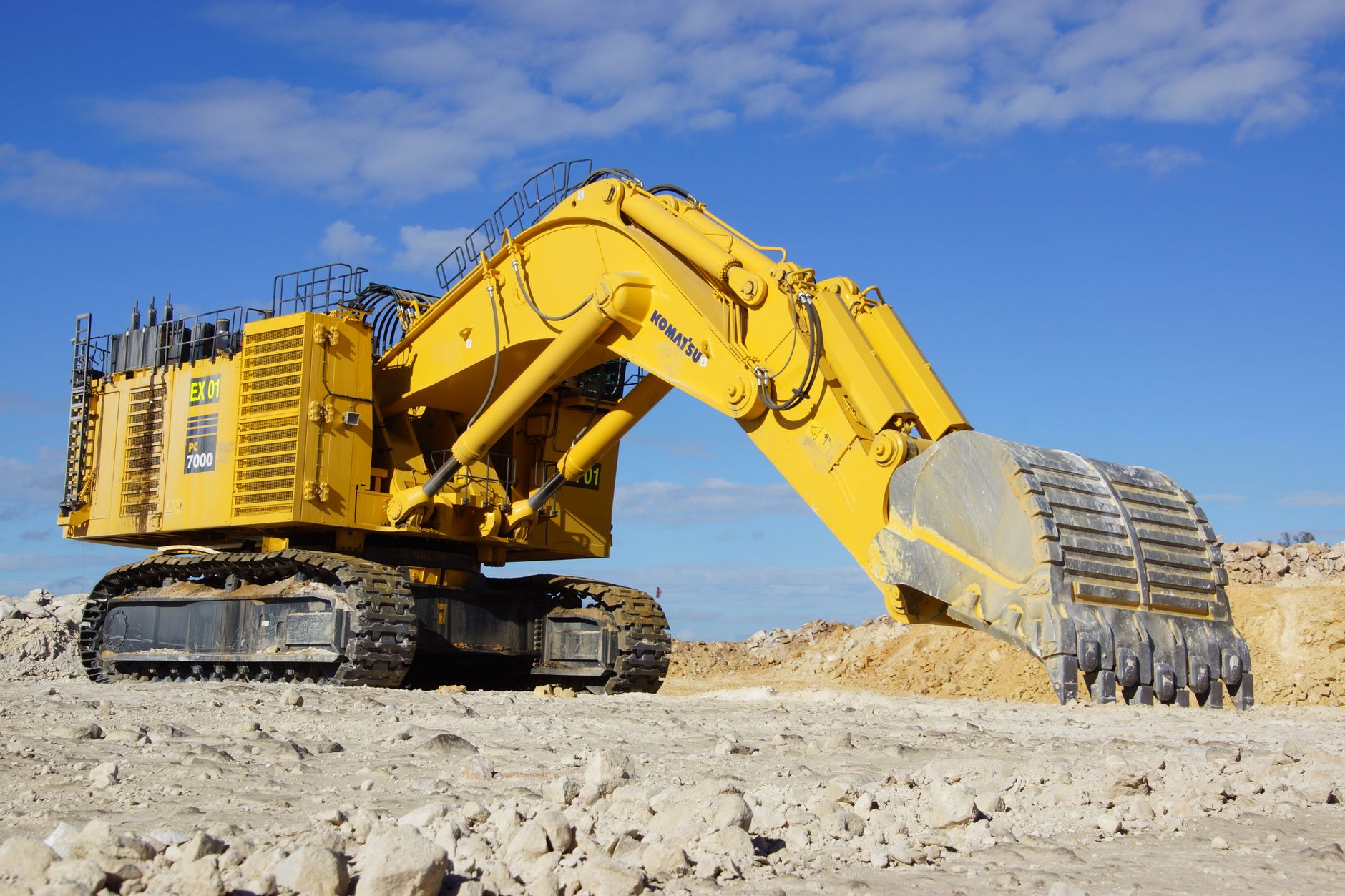

An autonomous dozer is a bulldozer that follows a planned path using sensors and positioning, with a person supervising from a safe location. On winter sites, it excels at repeated pushes over open ground, while a human operator excels where ice, drifts, and hidden obstacles change by the hour. The practical decision is rarely either-or. Most winter work divides into steady production passes and judgment-heavy cleanup, and each favors a different driver.
Table of Contents
- Where each option wins
- How snow and ice change the machine's job
- What does winter supervision look like?
- Safety differences that matter in the cold
- How to split the work on a winter project
Where each option wins
Autonomous dozers hold a steady blade height and speed across long pushes. That steadiness suits stockpile maintenance, haul-road clearing, and large pads where the plan stays fixed. Human operators adjust faster when the edge of a fill drops off under snow or a truck arrives off schedule.
Humans also read soft ground better. A seasoned operator feels track slip, hears engine load change, and backs off before the machine digs in. An automated system depends on what its sensors and traction controls can detect, so it needs clear operating limits for slopes, banks, and thawing soil.
How snow and ice change the machine's job
Snow hides grade stakes, curb lines, frozen ruts, and debris. A human uses memory of the site, color shifts in snow, and exhaust from other machines to infer what lies below. An autonomous dozer uses its terrain model and blade feedback, which work best when the model is updated after each storm and melt cycle.
Ice and packed snow reduce traction and lengthen stopping distance for both drivers. Humans compensate by angling the blade, windrowing snow, and choosing a new attack line. Supervised machines need conservative speed settings, defined no-go zones near ditches and structures, and a pause rule for whiteout or glaze ice.
- Good early tasks for autonomy: open laydown yards, haul roads, snow stockpiles, and wide fills
- Keep with operators: tight grading near utilities, work beside live traffic, steep cross-slopes, and first passes after heavy drift
What does winter supervision look like?
Autonomy does not remove the person. A supervisor monitors progress, clears faults, inspects the cutting edge, and takes control when conditions fall outside the plan. One supervisor can watch a small fleet during routine pushes, then return machines to manual control for complex spots.
Cold increases support work. Batteries lose charge faster, hydraulic oil thickens, sensors ice over, and cabs and cameras need regular defrosting. Sites that succeed assign warm-up time, sensor cleaning, fuel checks, and a clear handoff between shifts and operators.
Safety differences that matter in the cold
The main safety gain from autonomy is distance. The supervisor sits away from vibration, cold stress, sliding slopes, and low-visibility dust and exhaust. The machine still moves with full force, so the site needs fenced operating areas, clear entry rules, and lights and alarms suited to short days and blowing snow.
Human operators bring on-the-ground rescue sense. They spot a stuck pickup, a downed fence, or a coworker walking too close and stop early. Automated zones need the same protection by design: pedestrian controls, vehicle separation, and a simple stop command that any worker can trigger.
How to split the work on a winter project
Start with mapping. Mark fixed push lanes for the autonomous system and leave tie-ins, corners, and structures for manual passes. Update the plan after plowing, hauling, and freeze-thaw shifts the surface.
Run a short trial during daylight with an operator nearby. Watch for track spin on ice, missed windrows at lane edges, and sensor buildup during snowfall. Adjust blade load, speed, lane overlap, and cleaning intervals before adding night shifts or more machines.