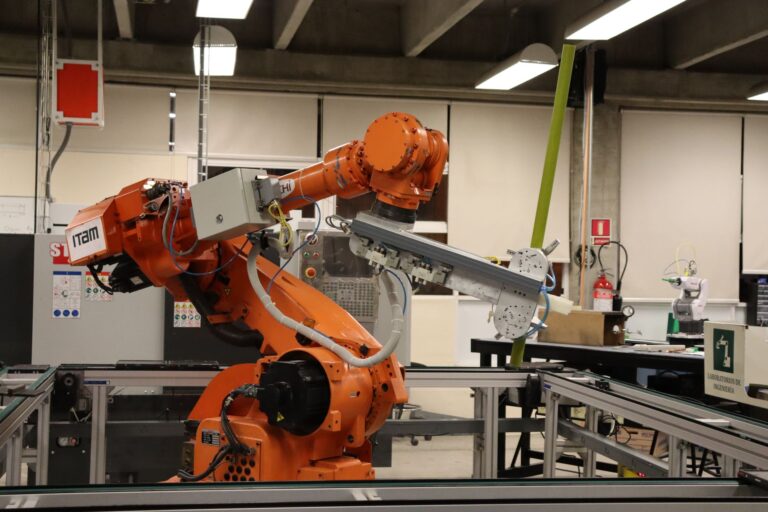
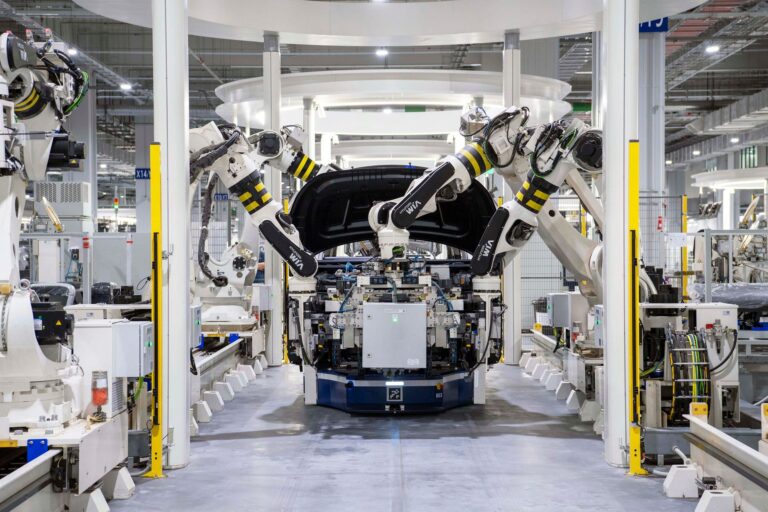
Construction labor shortages are pushing contractors to use robots for heavy, repetitive, and high-risk tasks. Adoption is strongest where machines help small crews do more work without replacing skilled trades. Construction robotics here means mobile machines and fixed tools that assist with layout, handling, building, and inspection. Short crews, tight schedules, and safety pressure make that help practical on many commercial and infrastructure jobs.
Table of Contents
- Where robots add value on site
- What limits wider use
- How to run a practical pilot
- What changes for crews and supervisors
Where robots add value on site
Robots work best on clear, repeatable steps. Layout marking, overhead drilling, rebar tying, and block laying fit because the path and action stay steady. Material carts and lifts reduce carrying and strain across large floors. Drones and ground scanners help track progress and catch errors early.
They collect site images and measurements that supervisors compare against plans. Early checks prevent rework in concrete, steel, and enclosure work. Dirty and hazardous tasks also fit well. Demolition cells, dust control units, and facade inspectors keep workers away from falls, dust, and heat. Crews then focus on setup, judgment, and finish quality.
What limits wider use
Construction sites change daily and resist full automation. Uneven ground, weather, stacked trades, and design changes break the neat conditions robots prefer. Firms must plan access, power, and workface order around the machine. Cost and support shape decisions as much as capability.
Purchase, transport, training, repair, and software setup add load beyond the machine itself. A tool that needs constant oversight or long setup may save little on a short job. Skill gaps add friction. Operators must set targets, watch quality, and fix faults. Without clear ownership for charging, cleaning, and updates, even useful machines sit idle.
How to run a practical pilot
Pick one pain point with steady volume. Good candidates include long corridors of drilling, repeated layout points, or daily material runs. Avoid tasks with frequent design changes or crowded access.
Run a short trial with clear checks: Keep the pilot small and review results with foremen. If setup time eats the gain, change the workface or task before buying more capacity. Rentals and dealer trials lower risk while crews learn.
- define the task, area, and success measure before arrival
- assign one operator and one backup for setup and daily care
- track time per unit, rework, injuries avoided, and crew feedback
- compare against the current manual method on the same job
What changes for crews and supervisors
Roles shift from doing every motion to guiding the tool. A worker marks targets, starts the cycle, checks output, and handles edges and corners. Supervisors plan sequence, clear path conflicts, and confirm quality. Safety rules need updates.
Crews need marked zones, lockout steps, and clear stop controls. Training should cover lifting, pinch points, dust, noise, and what to do when the machine pauses or drifts. Treat robots as crew support, not crew replacement. Walk one active job with foremen, list three tasks that strain the crew, and match one to a rental or pilot.