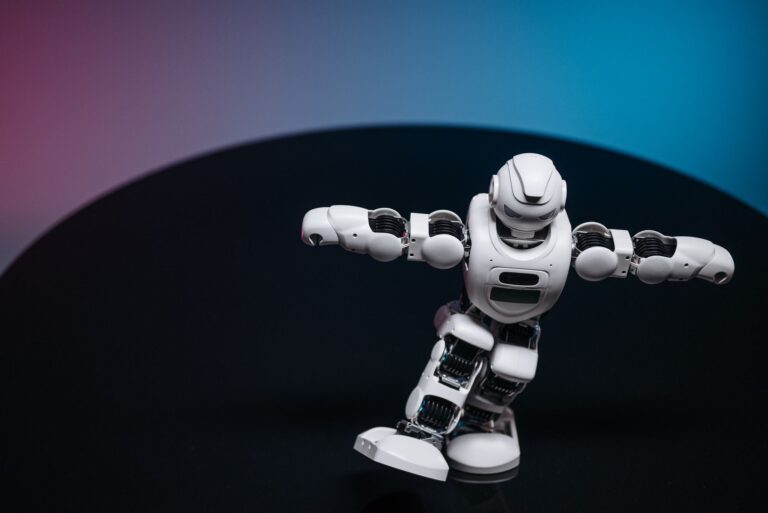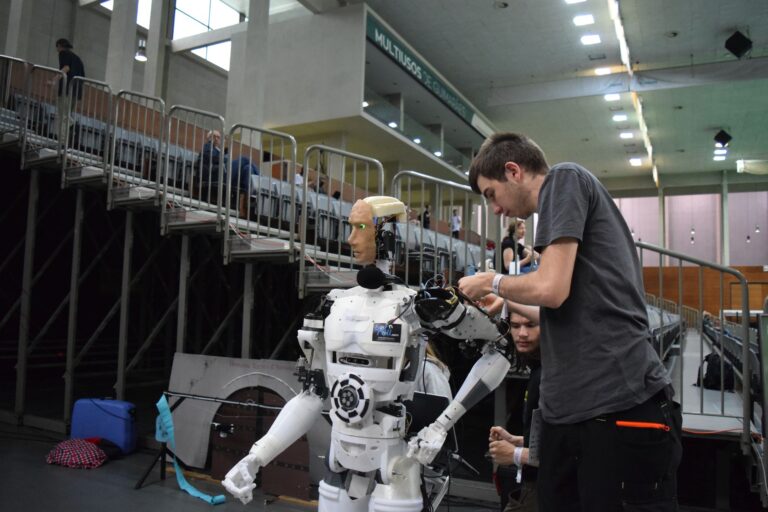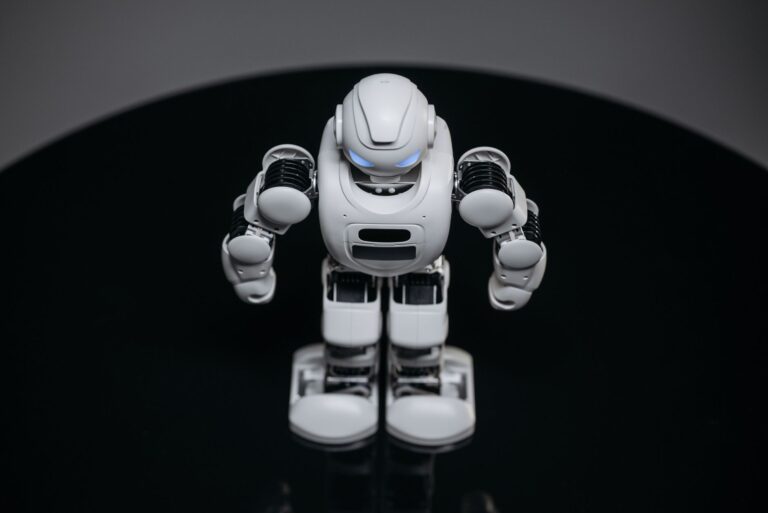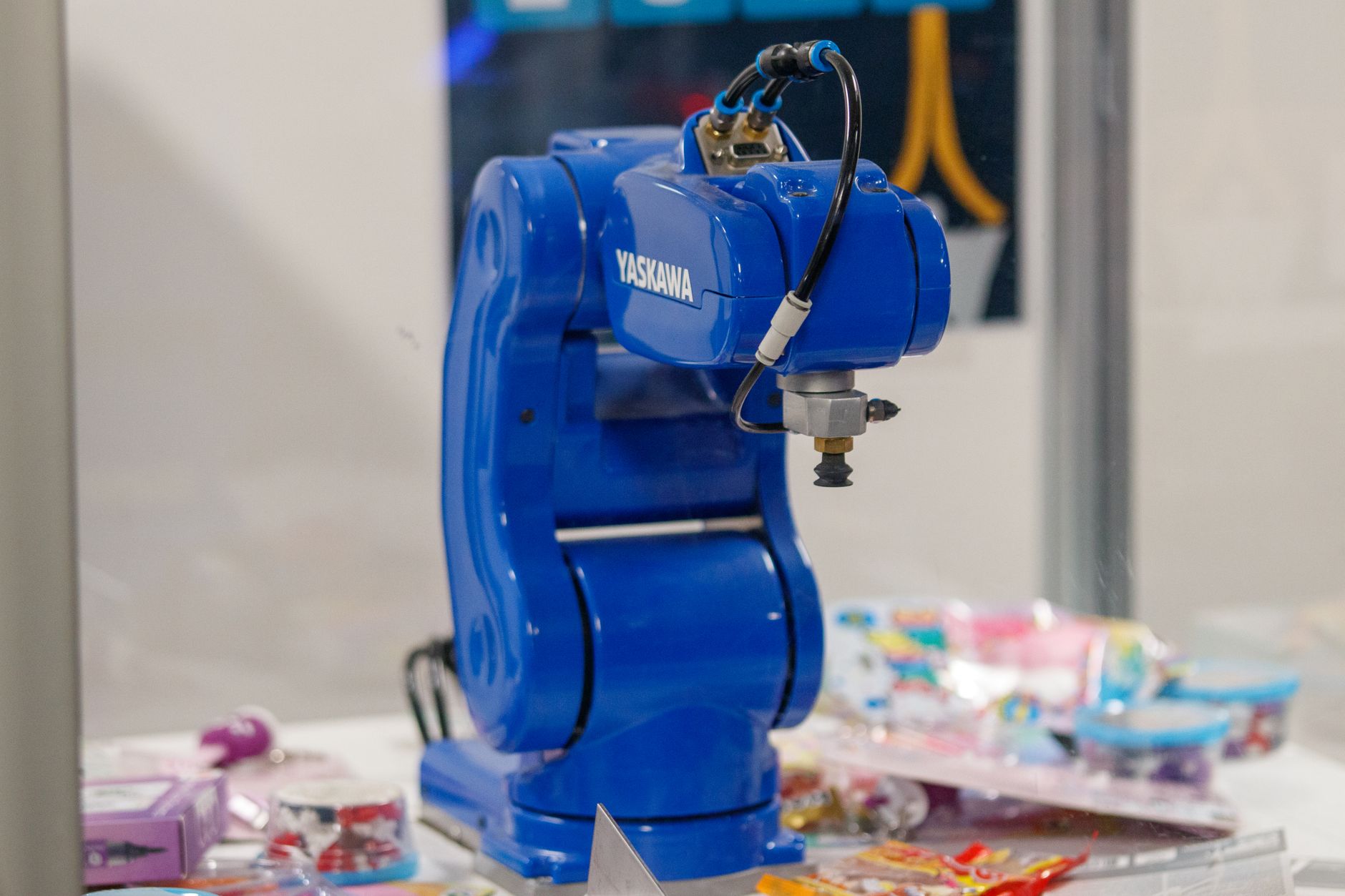

BMW has begun integrating advanced humanoid robots into its manufacturing operations, marking a significant shift in how traditional automakers approach assembly-line production. The deployment represents one of the automotive industry’s most visible commitments to humanoid robotics, moving beyond the stationary robotic arms that have dominated factory floors for decades. BMW’s humanoid robots are designed to handle tasks that require the dexterity and adaptability of human workers—such as component assembly, quality inspection, and precision handling of delicate parts—while operating alongside human technicians in shared factory spaces.
The introduction of these robots into BMW facilities addresses several manufacturing challenges simultaneously: labor market pressures, the need for precision in complex assembly operations, and the opportunity to redeploy human workers to higher-value tasks. Rather than replacing entire assembly lines, BMW has positioned humanoid robots as collaborative tools that augment existing workflows, particularly in areas where consistency and physical flexibility provide competitive advantages. The robots can be reprogrammed relatively quickly to handle new models or production variants, reducing downtime compared to retooling traditional fixed-position automation.
Table of Contents
- What Tasks Can Humanoid Robots Perform in Automotive Manufacturing?
- Technical Capabilities and Current Limitations
- How BMW Integrates Robots With Existing Workforce
- Comparing Humanoid Robots to Alternative Automation Approaches
- Maintaining and Supporting Deployed Robots
- Investment and Strategic Implications
- Future Deployment and Scaling Challenges
- Frequently Asked Questions
What Tasks Can Humanoid Robots Perform in Automotive Manufacturing?
Humanoid robots in BMW facilities handle repetitive precision tasks that human workers currently perform but that are subject to fatigue, inconsistency, and ergonomic strain. These include seating assembly, dashboard installation, wiring harness routing, and quality verification checkpoints. The robots’ ability to use hand-like grippers with multiple points of contact allows them to manipulate components that would be awkward or time-consuming for traditional industrial robots to grasp. For example, inserting a driver-side door panel at precise angles while aligning clips and electrical connectors—a task requiring spatial reasoning and tactile feedback—becomes more reliable when executed by a humanoid system trained for that specific sequence. The advantage over fixed robotic arms becomes apparent when production schedules shift between vehicle models.
A traditional welding robot mounted to an assembly station requires significant re-engineering to move to a different task on a different car model. A humanoid robot can walk to a new station, receive new instructions, and begin work on a different assembly task within the timeframe of a shift change. This flexibility is particularly valuable in plants that produce multiple vehicle variants, where production schedules change weekly or even daily based on order fulfillment. However, humanoid robots are significantly slower than specialized machines for single, repetitive tasks. A robotic arm engineered specifically for one operation will always outpace a humanoid robot attempting the same task. BMW’s deployment strategy therefore focuses on tasks where adaptability and precision matter more than raw speed—where the cost of human labor or frequent retraining justifies the current speed limitations of humanoid systems.
Technical Capabilities and Current Limitations
BMW’s humanoid robots are equipped with vision systems, force-sensing feedback in their grippers, and balance systems that allow them to operate on factory floors with uneven surfaces or moving assembly lines. These capabilities enable the robots to respond to unexpected obstacles, detect assembly errors in real time, and adjust their grip pressure when handling fragile or deformable materials. The integration of machine learning allows the robots to improve their performance on specific tasks over time, learning to optimize their movements based on feedback from completed assemblies. The current generation of humanoid robots deployed in manufacturing still faces meaningful limitations.
Operating speed remains a constraint—most humanoid robots complete tasks at 40 to 60 percent of the pace a skilled human worker can maintain over an eight-hour shift. Battery life presents another practical challenge; robots require charging stations and maintenance windows, creating scheduling complications in continuous or multi-shift operations. Additionally, the upfront capital cost of a single advanced humanoid robot unit remains substantially higher than hiring a temporary worker or contracting with labor agencies, meaning the return-on-investment calculation depends heavily on task consistency, labor availability, and production volume. Extreme environmental conditions—such as heat from welding operations, dust from machining, or oil and coolant spray—require protective enclosures or specialized coatings that add cost and complexity. BMW has therefore positioned humanoid robots primarily in assembly and inspection areas rather than in welding or machining operations where environmental hazards are greatest.
How BMW Integrates Robots With Existing Workforce
Rather than displacing workers, BMW has publicly emphasized retraining programs that shift technicians toward robot supervision, maintenance, and troubleshooting roles. This approach reflects both practical necessity—humanoid robots require constant monitoring and intervention—and a response to labor union concerns in Germany, where BMW’s primary manufacturing base is located. The transition has required investment in training facilities and partnership with vocational schools to develop curriculum for robot maintenance and collaborative automation oversight. Safety systems are paramount when robots operate in shared factory spaces with human workers. BMW’s deployment includes physical barriers, dedicated zones, and real-time collision detection that causes robots to halt or retreat when humans approach.
Workers wear proximity sensors that alert robots to nearby presence. Emergency stop buttons and manual overrides remain readily accessible. The design of these collaborative workspaces has been refined through months of pilot testing before broader rollout, with continuous monitoring of incidents and near-misses. The psychological and social dimension of this transition should not be underestimated. Workers accustomed to predictable assembly tasks must now develop new skills and adjust to sharing workspace with machines that operate with inhuman precision and consistency. Acceptance of this shift varies significantly depending on how individual facilities have managed communication and training, and whether workers perceive genuine opportunities for advancement into higher-skill roles.
Comparing Humanoid Robots to Alternative Automation Approaches
The case for humanoid robots at BMW becomes clearer when compared to the alternatives. A traditional approach would involve purchasing or upgrading multiple task-specific robots and building custom fixtures to support each one. This requires significant capital expenditure, substantial lead time for engineering and installation, and creates inflexibility. If production demand shifts or a new vehicle variant enters the lineup, many of these task-specific machines become underutilized or obsolete. Humanoid robots, by contrast, represent an upfront capital cost but offer superior flexibility and adaptability.
They require less custom engineering and can be deployed to new roles through software updates and retraining cycles measured in weeks rather than months. For a company manufacturing a diverse product line with changing market demands, this flexibility justifies a higher per-unit cost and slower speed. A manufacturer producing a single vehicle in massive volume—like a dedicated assembly line for a bestselling model—might still find that task-specific automation delivers superior economics. Outsourcing assembly work to countries with lower labor costs remains a tempting alternative, but geopolitical uncertainty, supply-chain disruptions, and rising labor costs in traditional outsourcing destinations have reduced the appeal of this strategy. BMW’s investment in humanoid robots represents a competitive response to these headwinds, allowing the company to maintain manufacturing in Germany and Europe while achieving labor-cost stability and operational flexibility.
Maintaining and Supporting Deployed Robots
Maintaining a fleet of advanced humanoid robots requires specialized expertise that the automotive industry is still developing. Each robot contains thousands of mechanical and electronic components, sophisticated sensors, and machine learning models that require regular updates and debugging. Breakdown of a single robot can disrupt an assembly line, so predictive maintenance—identifying failing components before they cause failure—becomes critical. BMW has developed relationships with robotics manufacturers and software companies to provide support, but the ecosystem remains less mature than the support infrastructure for traditional industrial robots that have been deployed for decades. Software updates present another layer of complexity.
Unlike traditional robots programmed with fixed instruction sets, humanoid robots rely on machine learning models that must be periodically refined and updated. These updates can improve performance or introduce unexpected behaviors if not carefully validated. BMW must balance the desire to improve robot performance across its fleet with the risk of disrupting production if an update causes unforeseen complications. The company has implemented staged rollout procedures and maintains the ability to roll back updates quickly if problems emerge. Human technicians who maintain these robots must understand not just mechanical repair but also machine learning troubleshooting, sensor calibration, and software debugging. Training pipelines for these specialized technicians lag demand, creating a potential bottleneck as more factories deploy humanoid robots.
Investment and Strategic Implications
BMW’s deployment of humanoid robots signals a bet that advanced automation, rather than offshore production or full human labor, will determine manufacturing competitiveness in the next decade. This requires not just purchasing robots but investing in software infrastructure, training programs, and supply-chain relationships that support long-term operation.
The investment is substantial but smaller than the cost of building new manufacturing capacity in lower-cost countries or managing the complexity of distributed global supply chains. For other automakers and manufacturers observing BMW’s deployment, the question is not whether humanoid robots will eventually become part of manufacturing—the trajectory is clear—but rather when the economic and technical case becomes compelling enough to justify the transition. Early adopters like BMW shoulder higher costs and technical risk, but they also build expertise and refine processes that followers will benefit from.
Future Deployment and Scaling Challenges
As BMW scales humanoid robot deployment to additional facilities and production lines, the company will face challenges that early pilots may not have fully exposed. Managing a large fleet of robots across multiple factories requires standardized training, parts inventory, and software management. Different facilities may operate at different temperatures, humidity levels, and production schedules, all of which affect robot performance.
Customizing robots and their environments for each facility reduces the standardization that makes scaled deployment economically efficient. The supply chain for humanoid robots themselves remains limited, with only a few manufacturers capable of producing advanced units in meaningful volume. As demand increases, cost reduction will depend on achieving higher production volumes, but higher production will only be justified if customers commit to large deployments. BMW’s willingness to publicly embrace this technology and invest substantially in it influences other manufacturers’ decisions and helps create the demand certainty that suppliers need to justify expanded capacity.
Frequently Asked Questions
Will humanoid robots replace BMW factory workers?
BMW has publicly committed to retraining rather than layoffs, positioning robots as tools that enhance worker capability rather than direct replacements. The practical reality is more nuanced—over time, fewer workers may be needed for traditional assembly roles, but new roles in robot maintenance, programming, and oversight are emerging.
How much faster are humanoid robots than human workers?
Current deployments operate at roughly 40-60 percent of human speed on comparable assembly tasks, which is actually slower than purpose-built industrial robots. BMW’s advantage comes from flexibility and adaptability, not speed.
What happens when a humanoid robot breaks down?
Service technicians must diagnose and repair the failure, often with support from the robot manufacturer. This requires specialized training and can take hours or days depending on the problem, disrupting production during that period.
Can humanoid robots handle the heat and dust of a factory floor?
Current deployments are concentrated in assembly and inspection areas with milder environments. Extreme heat, dust, and coolant spray require protective enclosures that add cost and complexity.
Why not just hire more workers instead of buying robots?
Labor availability is constrained in Germany and Europe, wages are rising, and workers require benefits and time off. Robots offer cost stability and consistency, but only when factoring in flexibility across multiple product variants and production schedules.
What happens to robots when BMW switches to a new vehicle model?
Robots are reprogrammed and moved to new tasks on new assembly lines, a process taking weeks rather than the months required for traditional robotic systems. This retraining cost is significant but much lower than engineering new fixed-position equipment.