
Twelve federal defendants orchestrated what the Department of Justice describes as “the most sophisticated and sprawling criminal enterprise using drones to introduce contraband into the federal prison system ever charged by the Department of Justice.” The indictment, unsealed June 24, 2026, charges this network with operating nearly three years of coordinated drone operations—from September 2023 through May 2026—to deliver contraband into at least 38 separate instances across federal prisons. The scale of the operation was unprecedented: six drones were used to breach security at ten federal facilities across eight states, demonstrating a systematic approach to defeating prison perimeter defenses that have traditionally relied on physical barriers rather than aerial threats. The operation reveals a critical vulnerability in federal prison security infrastructure. At facilities including FCI Atlanta, FCI Beckley, FCI Manchester, and FCI Yazoo City, drones repeatedly bypassed existing security measures, delivering methamphetamine, marijuana, K-2, suboxone, cell phones, saw blades, and tobacco into inmate hands. The cell phones alone represented an operational lifeline for the conspiracy—inmates used them to coordinate with the outside organization and maintain contact with the supply chain.
This wasn’t a spontaneous problem but a deliberate, organized criminal enterprise that evolved over thirty months into one of the most extensive contraband smuggling networks federal prosecutors have encountered. The conspiracy centered on a specific location that became its operational nerve center. Defendants referred to a former daycare facility in Macon, Georgia, as “The Lab”—the launching point for coordinated drone flights that would ferry contraband across state lines to prisons in Georgia, West Virginia, Kentucky, Tennessee, Virginia, Louisiana, Alabama, and Mississippi. The operation required specialized knowledge about prison locations, blind spots in security surveillance, timing windows for launches, and recovery procedures. The fact that this network evaded detection for nearly three years suggests that federal prison operators were unprepared for an aerial delivery system designed specifically to circumvent fencing, guard towers, and traditional perimeter security.
Table of Contents
- How Drones Breached Federal Prison Perimeters Across Multiple States
- The Three-Year Operation: Timeline and Tactical Evolution
- The Organization’s Leadership and Ground Operations
- Contraband Types and Prison System Vulnerabilities
- Federal Charges and Prosecution Strategy
- Security Protocol Failures Across Multiple Facilities
- Drone Technology and Contraband Delivery Systems
- Frequently Asked Questions
How Drones Breached Federal Prison Perimeters Across Multiple States
The smuggling ring exploited a fundamental gap in prison security architecture. Traditional federal prison security focuses on ground-level perimeter control—fencing, gates, guard posts, and ground surveillance. The six drones used in this conspiracy operated in the airspace above these defenses, a domain where most federal facilities had minimal detection or interdiction capability. Each drone was capable of carrying payloads—the specific capacity of these devices wasn’t disclosed in charging documents, but successful deliveries across 38 confirmed drops indicate they carried meaningful quantities of contraband to multiple target locations within each facility.
The geographic spread of the conspiracy demonstrates how drone technology enables coordinated supply operations across jurisdictions that would be difficult to manage using traditional smuggling methods. A single operation could service multiple states’ worth of facilities without establishing independent supply chains in each location. The defendants coordinated launches from Macon, Georgia, targeting prisons as far as Louisiana and Mississippi—distances that would be prohibitively complex for terrestrial smuggling networks but are operationally feasible for aerial delivery. This efficiency represents a warning about how drone technology amplifies the reach and scale of criminal enterprises that previously were limited by geography and transport logistics.
The Three-Year Operation: Timeline and Tactical Evolution
The conspiracy operated from September 2023 through May 2026, a window that suggests the network refined its techniques and strengthened its operational security over time. Early drone operations may have been exploratory—testing prison response times, identifying optimal delivery windows, and mapping surveillance patterns. By the time federal agents executed their investigation and arrests, the operation had become routine enough that at least 38 documented drone drops had succeeded. The 17-count indictment against all 12 defendants reflects the scope of evidence federal prosecutors accumulated—drug trafficking conspiracies, specific contraband delivery charges, evidence tampering, firearm offenses, and charges related to operating unregistered drones.
A critical limitation in this enforcement action is that it required federal law enforcement to identify and arrest the defendants, meaning the investigation consumed substantial resources across three years before intervention occurred. The prisons themselves did not shut down the operation—they couldn’t detect it reliably using existing security protocols. Some facilities received warning only after federal investigators identified the conspiracy and federal authorities made arrests. The fact that all 12 defendants were taken into federal custody following the indictment’s unsealing suggests the evidence was overwhelming, but it also reveals that the conspiracy operated openly enough that coordinated federal action could neutralize it quickly once identified.
The Organization’s Leadership and Ground Operations
Ira Christopher Jackson, 42, of Macon, Georgia, stood at the center of the conspiracy. Federal charging documents identify him by multiple aliases—”Chris,” “CJ,” “Action,” and “Action Jackson”—suggesting he was known by these names within the criminal network. Jackson’s operation required coordination across multiple states and multiple federal facilities, a logistics challenge that implies sophisticated planning and established distribution networks inside prisons. The other eleven defendants occupied specific roles in this supply chain, though the detailed breakdown of who performed which functions has not been publicly disclosed in full detail.
The selection of a former daycare facility in Macon as “The Lab” indicates deliberate planning around operational security. A commercial property in an established neighborhood presented a facade that would not immediately draw law enforcement attention. The operation was not clandestine in the sense of being entirely hidden—it operated as an ongoing business at a known location—but it did rely on the assumption that authorities would not scrutinize it. The discovery of this specific location appears to have been the pivot point that broke the conspiracy open, suggesting that law enforcement followed financial or logistical trails to identify “The Lab” and subsequent surveillance revealed the drone operations.
Contraband Types and Prison System Vulnerabilities
The contraband packages included both controlled substances and tools for escape or self-harm. Methamphetamine and marijuana represented high-demand drugs; K-2 (synthetic cannabis) and suboxone (an opioid addiction treatment medication that has black-market value in prisons where it’s used to self-medicate) extended the drug profile. Cell phones were arguably the most operationally valuable cargo—they provided inmates with direct communication to the outside, enabling coordination of the conspiracy, financial operations, and organizational control that would be impossible if inmates were limited to monitored prison phones and mail. The inclusion of saw blades designed as weapons or escape tools reveals that the conspiracy was not purely drug-focused.
Federal prisons maintain high security precisely because they house dangerous inmates, yet the operation successfully introduced items designed to facilitate escape or weapons manufacturing. This crosses into a category of contraband that poses direct physical threat to prison operations and staff. The choice to include these items indicates the conspiracy had ambitious goals beyond simply enriching participants through drug sales. Tobacco represented a low-risk, high-margin item—demand within the prison population is significant, and tobacco is a commodity that generates cash for inmates and external operators. The mix of drugs, escape tools, and commodities suggests a diversified smuggling operation designed to maximize revenue across multiple contraband categories.
Federal Charges and Prosecution Strategy
The 17-count indictment encompasses drug trafficking conspiracies, providing contraband into federal prisons, evidence tampering, firearm offenses, and charges specifically related to operating unregistered drones. The firearm charges are notable—they suggest at least some defendants possessed weapons during the conspiracy, either as part of their participation in the drug trafficking organization or as insurance against law enforcement detection. The evidence tampering charges indicate defendants attempted to conceal their activities during the investigation, which is typical in major federal prosecutions. A significant limitation of the current prosecutions is that they address the network after it had already breached security at ten separate federal facilities.
The criminal justice system operated reactively—federal agents investigated, identified conspirators, and made arrests. During those months or years of investigation, drone operations continued. The unregistered drone charges represent a federal regulatory angle; the Aircraft and Airworthiness Certification Act and FAA drone registration rules were potential enforcement tools, but they appear to have been secondary to the primary charges involving drug trafficking and contraband introduction. This suggests federal prosecutors pursued the most serious charges and viewed drone regulation violations as supplementary to the main conspiracy case.
Security Protocol Failures Across Multiple Facilities
Ten federal facilities across eight states were successfully targeted, and the fact that multiple prisons fell victim to the same method indicates they shared common security gaps. FCI facilities—Federal Correctional Institutions—operate under Bureau of Prisons protocols, but apparently those protocols did not include effective detection or interdiction of small drone operations. The facilities targeted ranged from Atlanta to Yazoo City, representing geographic diversity and different prisoner populations, yet all proved vulnerable to the same air-delivery method.
The continued operation across multiple facilities despite (presumably) some level of detection or suspicion suggests communication failures within federal prison security. When one facility reports a suspicious drone sighting, that intelligence should propagate to other facilities in the network. The fact that 38 successful drops occurred before the conspiracy was dismantled indicates either that early warning signals were not shared effectively, or that the operation’s sophistication included countermeasures—such as varying delivery times, locations, or drone characteristics—that prevented pattern recognition.
Drone Technology and Contraband Delivery Systems
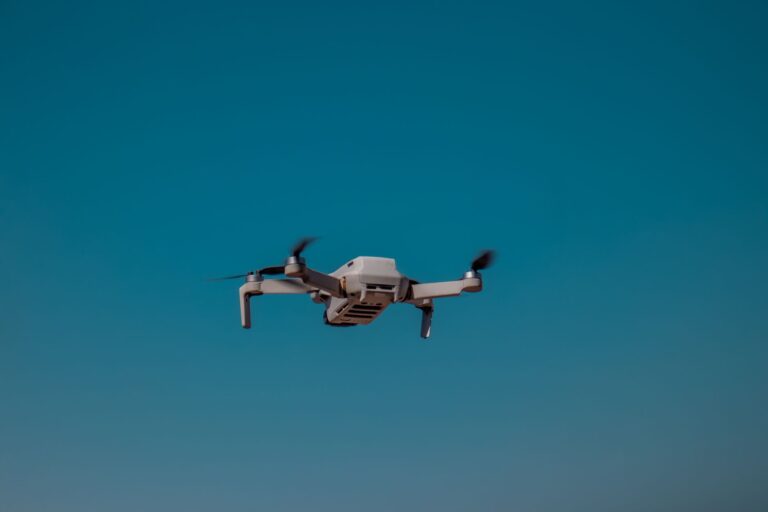
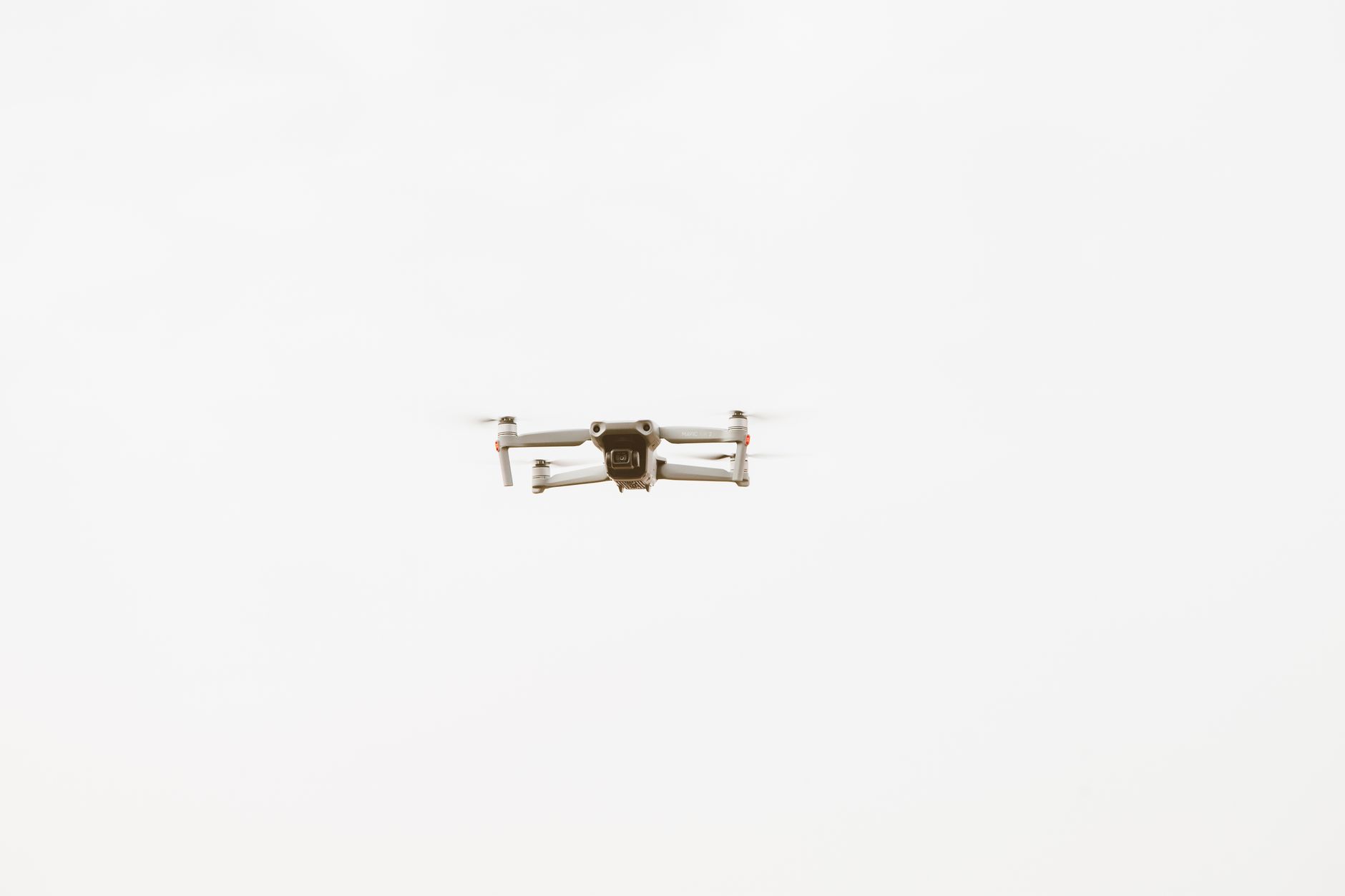
The use of consumer or semi-commercial drone technology to deliver contraband represents the intersection of automation technology with criminal enterprise. These drones did not require advanced military or specialized hardware—six drones capable of carrying modest payloads to specific coordinates are within reach of commercial drone manufacturers and hobby-grade equipment. The defendants did not need to invent new technology; they applied existing commercial drone systems to a criminal purpose. This illustrates a persistent challenge in drone regulation: the same technologies developed for agricultural monitoring, surveying, photography, or logistics optimization can be repurposed for smuggling when operators are willing to violate laws.
The operation’s success over three years suggests current prison facility countermeasures—radar, optical surveillance, guard patrols—were insufficient to reliably detect or deter small unmanned aircraft. The Federal Bureau of Prisons did not deploy drone detection systems, electronic countermeasures, or trained personnel specifically tasked with aerial surveillance at these facilities. Following this case, federal prisons will almost certainly implement aerial security upgrades, but those upgrades represent costs and operational complexity that prisons did not anticipate as necessary before June 2026. All 12 defendants remain in federal custody pending trial, and the contraband supply network that operated for nearly three years has been dismantled.
Frequently Asked Questions
How many drones were used in the operation?
Six drones were deployed across the conspiracy to carry out at least 38 confirmed contraband deliveries to federal prisons.
Which states were targeted?
The operation targeted ten federal facilities across eight states: Georgia, West Virginia, Kentucky, Tennessee, Virginia, Louisiana, Alabama, and Mississippi.
What types of contraband were delivered?
Methamphetamine, marijuana, K-2, suboxone, cell phones, saw blades, and tobacco were among the contraband items documented in the indictment.
How long did the operation run?
The conspiracy operated from September 2023 through May 2026—nearly three years—before federal authorities dismantled it and arrested all participants.
Who led the smuggling ring?
Ira Christopher Jackson, 42, of Macon, Georgia, is identified as the alleged leader and used aliases including “Chris,” “CJ,” “Action,” and “Action Jackson.”
What is the legal basis for the charges?
The 17-count indictment includes charges for drug trafficking conspiracies, providing contraband in federal prisons, evidence tampering, firearm offenses, and operating unregistered drones.