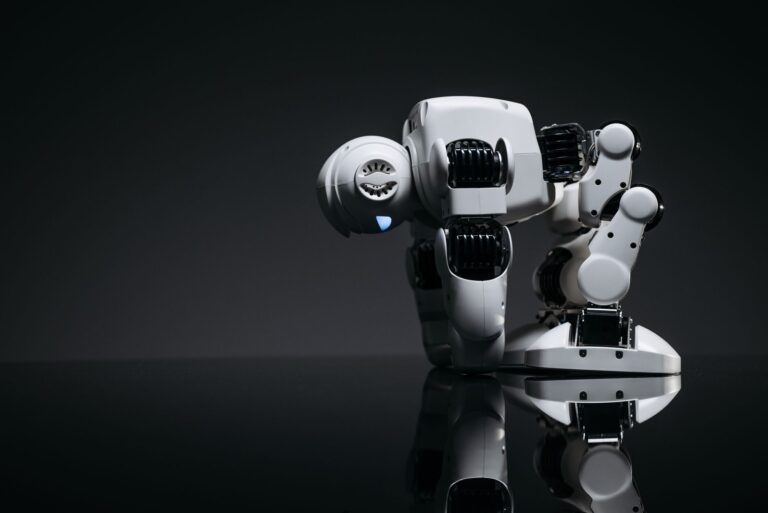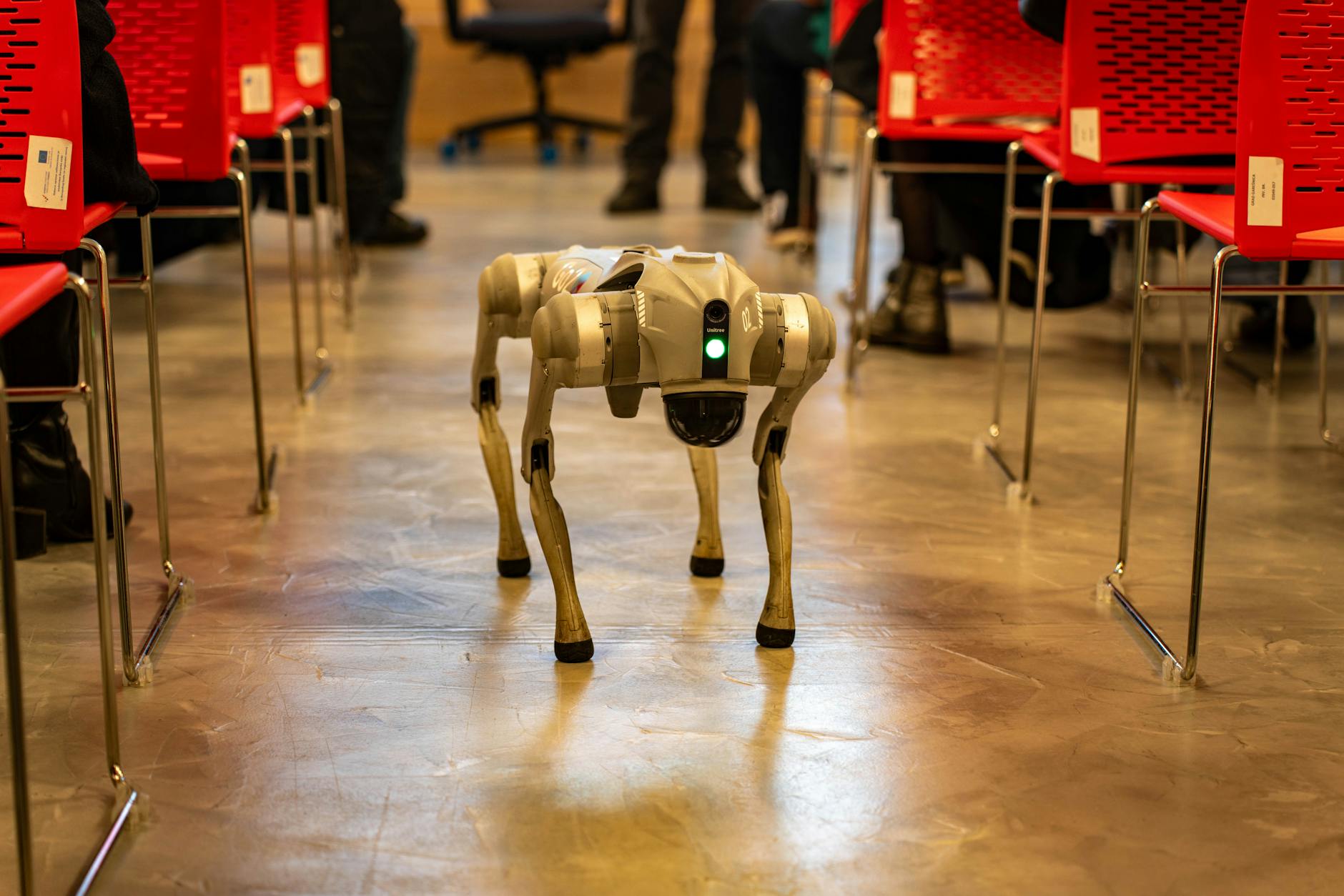

Yes, the next Nvidia in robotics will likely be a robotics infrastructure company—but not necessarily Nvidia itself. The parallel is instructive: just as Nvidia became indispensable by powering the AI boom rather than building AI applications, a robotics infrastructure company could dominate by providing the specialized chips, software stacks, and computational platforms that autonomous systems require. The difference is that robotics infrastructure is far more fragmented and specialized than GPU computing ever was. A single chip won’t suffice when you need integrated solutions for perception, motion planning, real-time control, and learning across wildly different form factors—humanoids, mobile manipulators, drones, and industrial arms all with different computational demands.
The robotics industry is already showing signs of this consolidation pattern. In Q2 2026 alone, robotics deal value surged to $8.8 billion, a 170.5% jump from the previous quarter, driven by a handful of companies raising $50 million or more. These mega-rounds—Skild AI at $1.4 billion, Mind Robotics at $400 million, Apptronik at $520 million—aren’t going to robot manufacturers. They’re going to companies building the enabling layer: the compute platforms, sensor fusion systems, and real-time operating environments that every robot maker will eventually need to license or integrate.
Table of Contents
- Why Infrastructure Companies Win in Robotics Markets
- The Market Opportunity is Exploding—But Capital is Concentrating
- Emerging Challengers to Nvidia’s Dominance
- Why Integration Matters More Than Raw Performance
- The Scalability Trap and the Risk of Over-Specialization
- Nvidia’s Current Leverage and How It Could Evaporate
- What to Watch Over the Next 18 Months
- Conclusion
Why Infrastructure Companies Win in Robotics Markets
Infrastructure has always been the deeper moat in technology. When railroads dominated the 19th century, the winners weren’t the railroad operators—they were the steel companies and rail manufacturers that supplied every operator. Robotics is structurally similar but more complex. A robot manufacturer might sell 10,000 units a year and make good margins, but they’re hostage to their suppliers for critical components. An infrastructure company that every manufacturer depends on can scale across the entire ecosystem while remaining vendor-neutral. Consider the current landscape: Boston Dynamics is preparing to manufacture 30,000 robots annually by 2028 under Hyundai, an astounding production target that reveals the market’s true bottleneck.
It’s not robot design—that’s getting easier every year. The bottleneck is computational infrastructure that can run sophisticated autonomy on the robot’s embedded hardware while remaining power-efficient enough to keep battery life practical. Boston Dynamics doesn’t want to design their own chips or develop low-level motion-planning libraries. They want to integrate proven infrastructure that’s already been field-tested across dozens of other platforms. This is where the next Nvidia enters: as the company that manufactures or designs the infrastructure layer that makes 30,000-unit-per-year manufacturing possible. That’s not Nvidia’s current strategy, but it’s the gravitational center of robotics valuations right now.

The Market Opportunity is Exploding—But Capital is Concentrating
The physical AI industry is projected to reach $15.24 billion by 2032, up from $1.50 billion in 2026. That’s roughly a 10x expansion in six years, but here’s the critical insight: that growth is not distributed evenly. Crunchbase data shows that while deal count dropped from 671 rounds in 2023 to 473 in 2024, the deals that closed were significantly larger. Capital is concentrating on roughly 50 companies raising $50 million or more, a pattern known as “series A winner-take-most” in venture circles.
this concentration is the signature of infrastructure markets. You don’t need 500 successful robotics companies; you need 3-5 dominant infrastructure platforms and then a larger number of specialized application layers built on top of them. Skild AI’s $1.4 billion valuation, Mind Robotics’ $400 million funding, and Apptronik’s $5.5 billion valuation aren’t flukes—they’re capital markets recognizing which companies are solving the infrastructure problem. The risk here is substantial: an infrastructure company that picks the wrong technical direction (say, a proprietary chip architecture that doesn’t attract third-party developers) can burn through billions and still fail.
Emerging Challengers to Nvidia’s Dominance
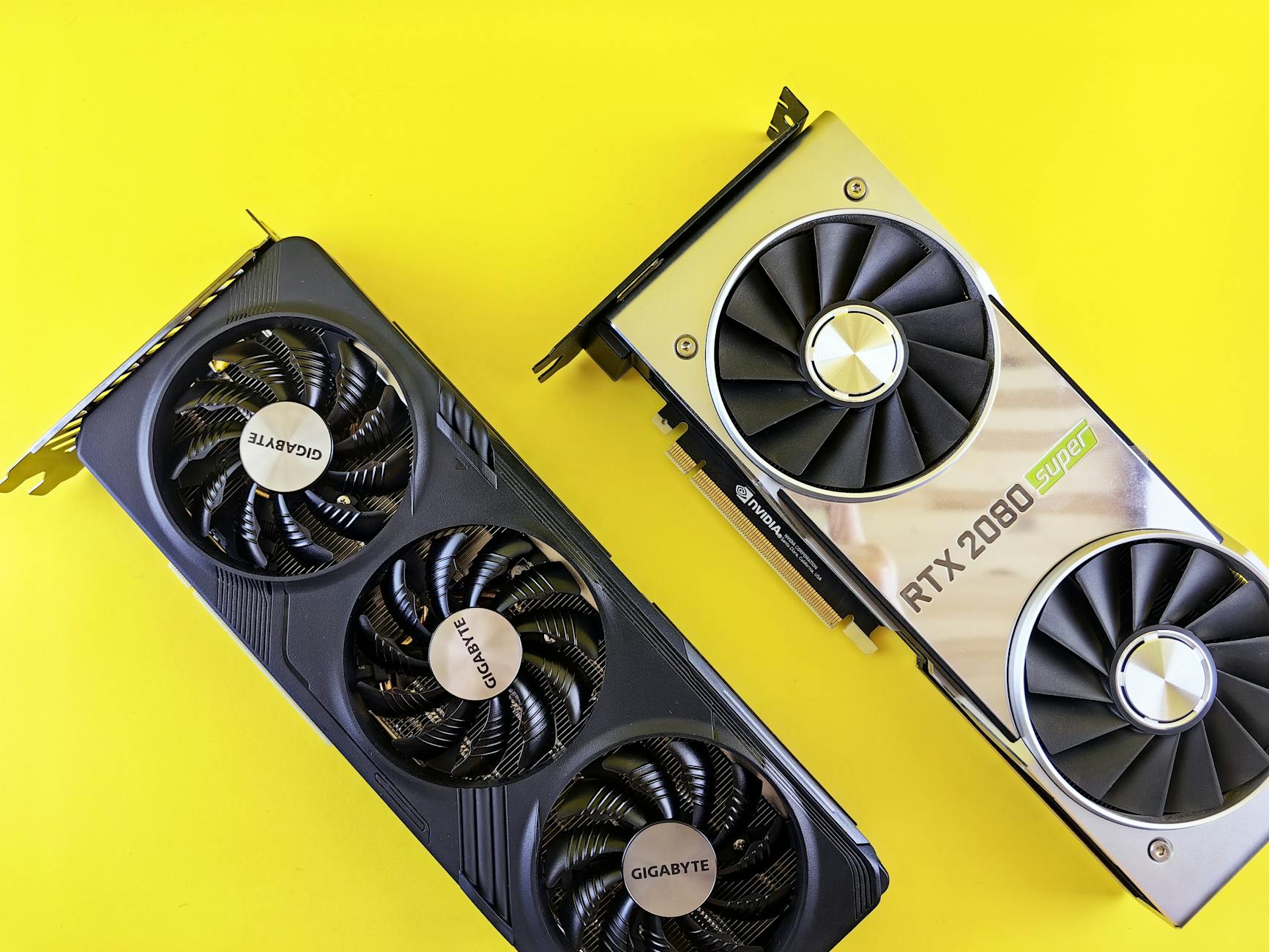
Nvidia isn’t asleep. The company released its Jetson T4000 module in 2026, delivering 4x greater energy efficiency than previous generations—directly targeting the robotics use case. CEO Jensen Huang went so far as to declare at GTC 2026 that “every industrial company will become a robotics company,” signaling Nvidia’s intention to dominate through ubiquity rather than innovation. But Nvidia faces a structural problem: Jetson is a general-purpose module, not a robotics-specific system. It works well for vision and training, but real-time control loops often need lower latency and deterministic timing than GPUs provide naturally.
Newer competitors are addressing this gap. Euclyd, a Dutch startup founded in 2024, is building chip systems designed to replace GPUs for specific workloads, targeting lower power consumption and specialized instruction sets for robotics. More credibly, Fractile, a UK startup that emerged from stealth in July 2024, claims its AI inference design runs frontier models 25x faster and at 1/10th the cost compared to conventional GPU approaches. These aren’t vaporous claims—they’re reproducible benchmarks that attack Nvidia’s historical advantage: efficiency. Neither company has proven production scale yet, but the fact that venture capital is backing them suggests the infrastructure problem remains unsolved enough to warrant $100+ million bets on alternatives.
Why Integration Matters More Than Raw Performance
One of the deepest misconceptions in robotics is that the most computationally powerful platform wins. In reality, the platform that integrates perception, planning, and control without forcing the manufacturer to write custom glue code wins. A robot’s autonomy stack involves multiple inference models (object detection, pose estimation, motion planning), real-time control loops running at 100+ Hz, and learning systems that improve from experience. Stacking these together on a generic GPU-based module means writing thousands of lines of custom integration code per robot type, multiplied by dozens of manufacturers.
This is where the next infrastructure winner emerges: the company that bundles the inference engine, real-time kernel, sensor drivers, and high-level API into a coherent package so that a manufacturer can deploy a new robot in weeks rather than months. Apptronik’s $520 million raise—led by Google, Mercedes-Benz, and B Capital—suggests the industry is betting on this vision. Google’s involvement is particularly telling; Google doesn’t invest in robot platforms for the robots themselves. Google invests because it sees an opportunity to embed its inference and learning systems deeper into the stack, making Google’s ML infrastructure indispensable to the whole ecosystem.
The Scalability Trap and the Risk of Over-Specialization
Infrastructure companies face an acute risk: over-specialization. If a company builds a robotics platform too narrowly tailored to humanoids, it loses the industrial arms market. If it optimizes for collaborative robots in factories, it struggles with mobile manipulation. This is the opposite of Nvidia’s historical advantage—GPUs are aggressively general-purpose, which made them resilient as AI workloads diversified. A robotics infrastructure company that tries to be everything to everyone ends up optimizing for nothing and losing to more focused competitors.
Mind Robotics’ $400 million funding announcement in May 2026 illustrates this tension. The company is focused on industrial robotics deployment—teaching existing robots new tasks and improving their autonomy in manufacturing settings. This is a lucrative niche with clear customers and near-term revenue, but it’s also a narrow lane. If the real growth is in humanoid robots serving logistics and healthcare, Mind Robotics’ infrastructure advantage evaporates. The warning here is simple: betting on a single robotics infrastructure company now means betting on the correct prediction of which form factors and markets will dominate in 2030-2032.
Nvidia’s Current Leverage and How It Could Evaporate
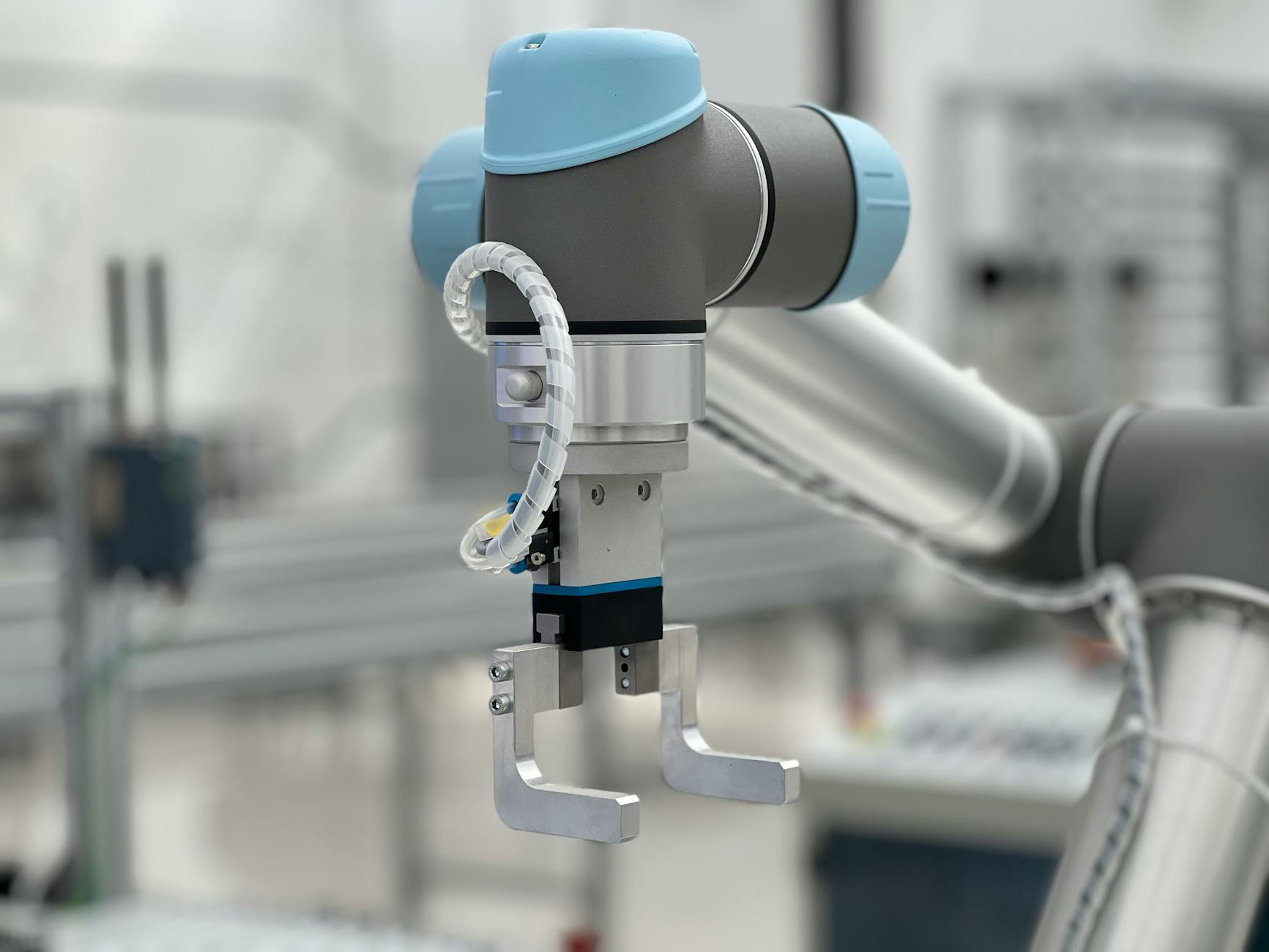
Nvidia’s position in robotics is stronger than it appears on surface and more fragile than the company wants to admit. Stronger because Jetson is already embedded in thousands of development platforms, and inertia in robotics hardware is substantial—engineers use what they know. More fragile because the margin advantage disappears instantly if a competitor ships a robotics-specific processor that’s meaningfully cheaper or faster for inference, and Nvidia has no moat against architectural innovation.
History suggests Nvidia will likely acquire or partner with robotics-focused startups rather than lose this market to ground-up competitors. The physical AI market reaching $15.24 billion by 2032 means there’s enough total addressable market for multiple winners, but not for dozens. Nvidia’s Jetson strategy buys them time and maintains their position, but it doesn’t guarantee dominance. The next Nvidia in robotics could easily be a company that doesn’t exist yet—one that ships a robotics-specific inference engine in 2027, partners with the three leading robot manufacturers by 2028, and achieves 40% market share by 2030 through sheer specialization and a better API.
What to Watch Over the Next 18 Months
The signal to watch is partnerships. If major robot manufacturers—Boston Dynamics, Unitree, Tesla (for humanoids), and ABB (for industrial)—begin standardizing on a single infrastructure platform, that company is likely the next Nvidia. Conversely, if they continue building proprietary stacks or fragmenting across multiple platforms, the infrastructure consolidation hasn’t happened yet, and the market remains open.
Another signal is software ecosystem. Nvidia’s GPU dominance relied partly on CUDA—a developer ecosystem so entrenched that learning alternatives felt irrational. The next robotics infrastructure winner will need something similar: a programming model, learning framework, or simulation environment that becomes the de facto standard. Companies like Fractile and Euclyd can only win if they ship this ecosystem alongside their hardware, which is harder than it sounds.
Conclusion
The next Nvidia in robotics will be a company that solves the integration problem—bundling perception, real-time control, learning, and deployment into a platform so elegant that robot manufacturers feel foolish building their own stacks. That company might be Nvidia itself, leveraging its entrenched position and capital, or it might be one of the well-funded startups racing to ship a more specialized solution. What’s certain is that the physics of the robotics industry favors infrastructure over applications, and the $15.24 billion market by 2032 will flow disproportionately to companies that control the fundamental computational layer.
The window for this consolidation is narrowing. As robot manufacturing scales from thousands to tens of thousands of units annually, the pressure to standardize on shared infrastructure intensifies. The next 18 months will likely determine which infrastructure companies have the capital, talent, and technical direction to survive, and which ones become acquisition targets or cautionary tales of good ideas that shipped too late.