
UMAC (Unusual Machines, Inc.) is a small-cap robotics components manufacturer trading on the NYSE American exchange under the ticker UMAC, with a market capitalization between $616 million and $760 million as of April 2026. The company specializes in commercial drone components and small drone manufacturing, focusing on critical hardware like motors and flight control systems that power autonomous aerial vehicles. At $15.82 per share, UMAC represents a micro-cap play in the rapidly expanding drone and robotics sector, where traditional investors might overlook smaller manufacturers despite their outsized growth potential.
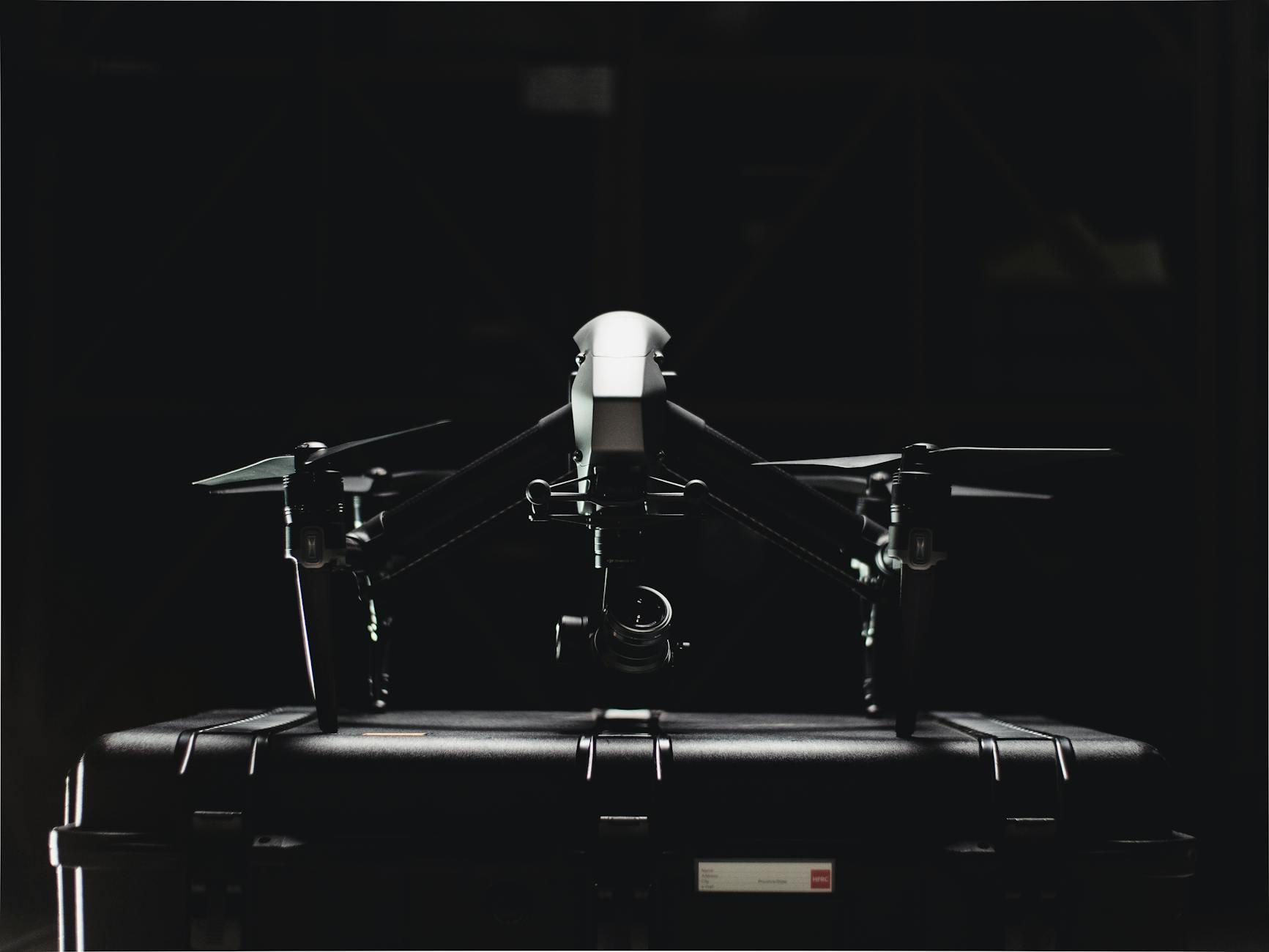
What makes UMAC noteworthy isn’t just its presence in the drone market—it’s the company’s strategic positioning in a sector experiencing explosive demand. The company manufactures approximately 15,000 motors per month and has just announced significant facility upgrades that will nearly double daily production capacity from around 700 to 1,500 parts per day. Beyond basic component manufacturing, UMAC has established a collaboration with Lantronix Inc. to integrate edge AI compute with flight control systems, which signals the company’s move beyond commodity parts into more sophisticated autonomous drone technology.
Table of Contents
- What Makes UMAC A Small-Cap Player In Robotics Manufacturing?
- The Production Ramp-Up: Opportunity and Execution Risk
- The Lantronix Partnership and AI-Integrated Drone Components
- Analyst Views and Valuation Context
- Market Headwinds and Competitive Pressures
- The Defense Contract Dependency Factor
- Growth Prospects and Forward-Looking Risks
- Conclusion
What Makes UMAC A Small-Cap Player In Robotics Manufacturing?
umac occupies a specific niche in the robotics supply chain that most investors overlook: it’s neither a consumer drone maker like DJI nor a large-scale industrial robotics firm. Instead, it manufactures the critical components that go into commercial and military drone platforms—motors, control systems, and increasingly, AI-integrated flight modules. This positioning means UMAC’s revenue is heavily dependent on larger drone manufacturers and defense contractors choosing to source from them rather than developing components in-house or using established competitors.
The market cap of $616–$760 million places UMAC firmly in small-cap territory, which carries both advantages and risks. Smaller companies can move faster and pivot more aggressively than established defense contractors, but they also lack the financial cushion and proven track records of their larger competitors. For example, if a major customer like a defense integrator shifts sourcing or budget cuts impact drone procurement, UMAC’s revenue could face sharp contraction. The recent 300% rally in 2025 suggests investors are betting on rapid growth, but that rally also means expectations are now priced high into the stock.

The Production Ramp-Up: Opportunity and Execution Risk
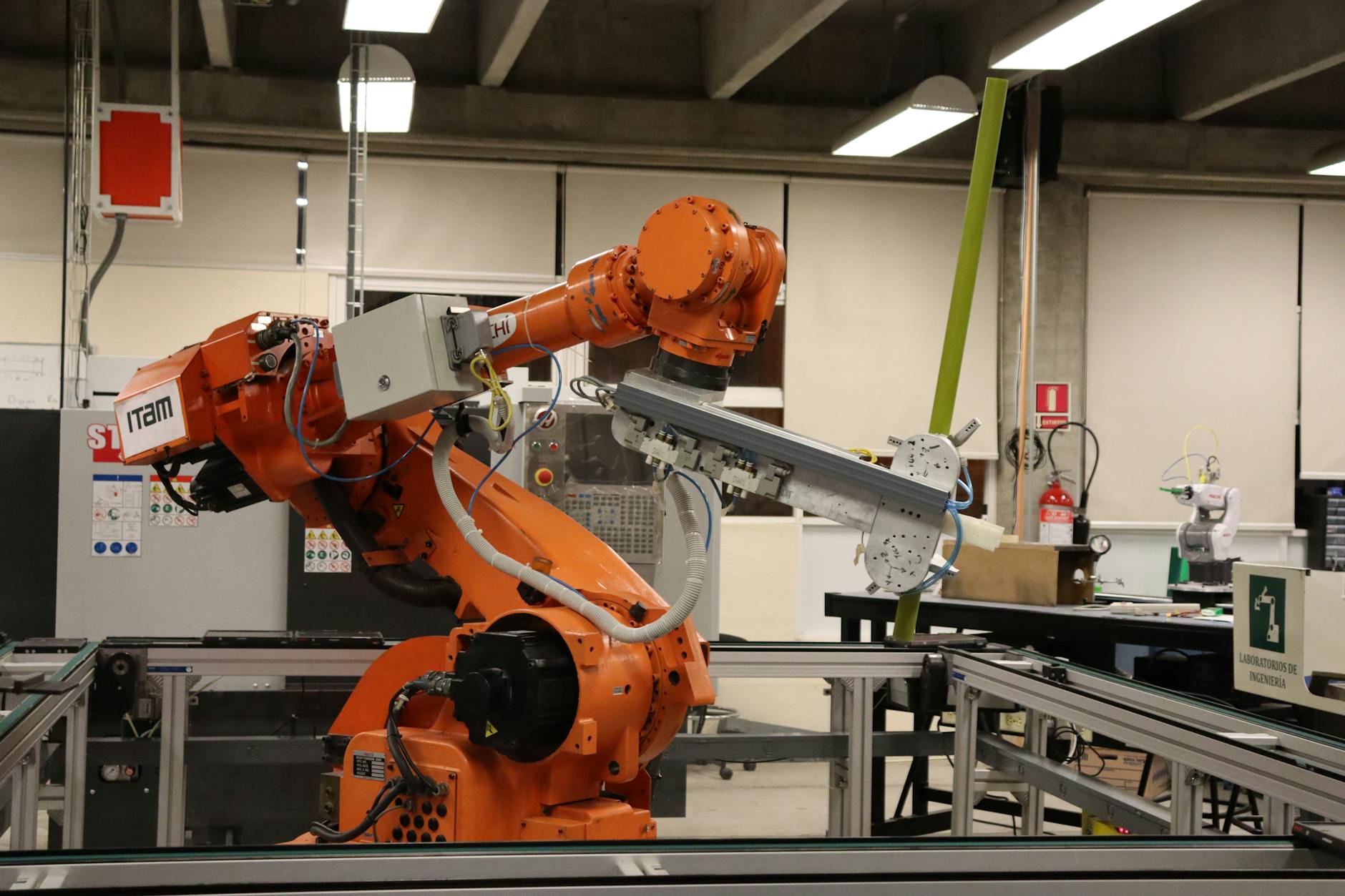
UMAC’s stated plan to nearly double daily production capacity represents significant operational opportunity but also carries execution risk. Moving from 700 parts per day to 1,500 parts daily requires not just equipment investment but also workforce scaling, supply chain coordination, and quality control at higher volumes. The company expects to roughly double its headcount in May 2026 and plans to deploy an automated production line in the second half of 2026—ambitious timelines that leave little room for manufacturing delays or supply chain disruptions.
This expansion is necessary to meet demand, but there’s a real limit to how quickly a mid-sized manufacturer can absorb such rapid growth. Many small industrial manufacturers have stumbled when scaling too aggressively—they either sacrifice quality to hit production targets, or they encounter bottlenecks that delay promised deliveries. For UMAC, every production delay could cost contracts with drone manufacturers operating on tight delivery schedules. Additionally, the investment required to fund this expansion (new equipment, workforce training, facility improvements) will impact near-term profitability even as revenue grows, a dynamic that can pressure stock valuations if investors expected earnings to accelerate simultaneously with sales growth.
The Lantronix Partnership and AI-Integrated Drone Components
UMAC’s collaboration with Lantronix Inc. to integrate edge AI compute with flight control systems represents a significant evolution beyond basic component manufacturing. Rather than simply providing motors and circuit boards, UMAC is moving toward delivering intelligent subsystems that can perform real-time decision-making in autonomous drone applications. This is a higher-value proposition—a smart flight control module sells for more than a generic motor, and it’s harder for competitors to replicate quickly.
The practical example here is clear: autonomous agricultural drones need intelligent flight control systems that can adapt to wind, terrain, and sensor input in real-time without constant ground station communication. By embedding edge AI directly into the flight control module, UMAC provides manufacturers with a ready-to-integrate solution rather than requiring them to bolt together separate components. This moves UMAC up the value chain. However, competing in AI-integrated systems means UMAC must continuously invest in software development, machine learning optimization, and system testing—costs that don’t directly increase manufacturing volume but are essential for long-term competitiveness.
Analyst Views and Valuation Context
Current analyst ratings position UMAC as a “Buy” with average price targets ranging from $16.40 to $20.00 per share, suggesting upside potential from the April 2026 price of $15.82. These targets are based on assumptions about production ramp success, continued defense spending on drone programs, and market share gains as UMAC scales. However, analyst price targets for small-cap stocks are frequently overly optimistic—they rely on management guidance that may not materialize, and they often underweight execution risk.
For context, consider that UMAC’s 2025 rally of over 300% already reflects significant investor optimism. If the company achieves analyst targets in the $16–$20 range, the stock appreciation from current levels is modest compared to what already occurred. Conversely, if production ramp-up encounters delays, or if a major customer reduces orders, the stock could easily fall 30–50% from current levels. Small-cap stocks are volatile precisely because there’s less analyst coverage, less trading volume, and less institutional investor scrutiny, meaning valuations can swing sharply on execution misses.
Market Headwinds and Competitive Pressures
UMAC operates in a sector where larger, better-capitalized competitors could decide to enter or expand their component offerings at any time. A defense contractor like Northrop Grumman or Raytheon could acquire a smaller competitor or build components in-house, potentially bypassing suppliers like UMAC. Additionally, the commercial drone market is heavily influenced by regulatory changes—if the FAA tightens rules around autonomous drones or imposes new certification requirements, manufacturers might delay or reduce orders, directly hitting UMAC’s revenue.
Foreign competition is another consideration. Chinese manufacturers, backed by lower labor costs and government support, produce drone components at prices that are hard for U.S.-based manufacturers to match on cost alone. UMAC’s competitive advantage must come from quality, integration capability (like the Lantronix partnership), or preferred access to defense contracts where “Made in USA” sourcing is mandated. If the company competes purely on price, margins will compress, and the production ramp-up benefits could evaporate.

The Defense Contract Dependency Factor
A significant portion of UMAC’s demand likely derives from defense and government drone programs, where budget cycles, geopolitical considerations, and procurement timelines create both stability and volatility. Defense contracts offer predictable, long-term revenue—but they also mean that a single budget cut or program cancellation can eliminate months of projected revenue.
For example, if a major military drone program faces delays or is restructured, UMAC’s pipeline could face sudden pressure. Additionally, defense work requires compliance with security protocols, export controls, and manufacturing standards that increase operational complexity. UMAC must maintain facilities and processes that meet Department of Defense security requirements, which adds cost and limits flexibility compared to purely commercial manufacturers.
Growth Prospects and Forward-Looking Risks
Looking ahead to the second half of 2026 and beyond, UMAC’s success depends on three critical factors: successful production scaling without quality degradation, continued strength in defense drone spending, and market acceptance of its AI-integrated product line. If the company executes on these fronts, the analyst price targets in the $16–$20 range become plausible. If execution falters on any front, the stock becomes a value trap where past momentum fades and investor patience deteriorates.
The drone industry as a whole is experiencing substantial secular growth driven by infrastructure inspection, agriculture, defense, and logistics applications. UMAC’s entry into AI-integrated systems positions it to capture a slice of higher-value components, but only if the company can maintain manufacturing excellence while expanding rapidly. The risk/reward setup is asymmetric here—investors are betting on flawless execution at a time when the stock has already appreciated significantly.
Conclusion
UMAC is a legitimate small-cap play in the robotics and drone components sector, with tangible assets, real production capacity, and strategic partnerships that position it above commodity component manufacturers. However, investors should view this as a higher-risk, higher-reward opportunity rather than a stable mid-cap industrial. The company’s 2026 production ramp, workforce doubling, and automated line rollout represent make-or-break milestones that will determine whether analyst price targets are achievable or whether expectations were simply too optimistic.
For investors considering UMAC, the key is understanding that small-cap manufacturing stocks require active monitoring. Watch quarterly earnings for production volume achievement, customer concentration, and margin trends—these reveal whether execution is on track or slipping. The current analyst sentiment is positive, but that view is predicated on perfect execution in a competitive market where execution failures are common and downside moves can be sharp. UMAC’s potential is real, but so are the risks inherent in a small manufacturer scaling rapidly in a capital-intensive industry.