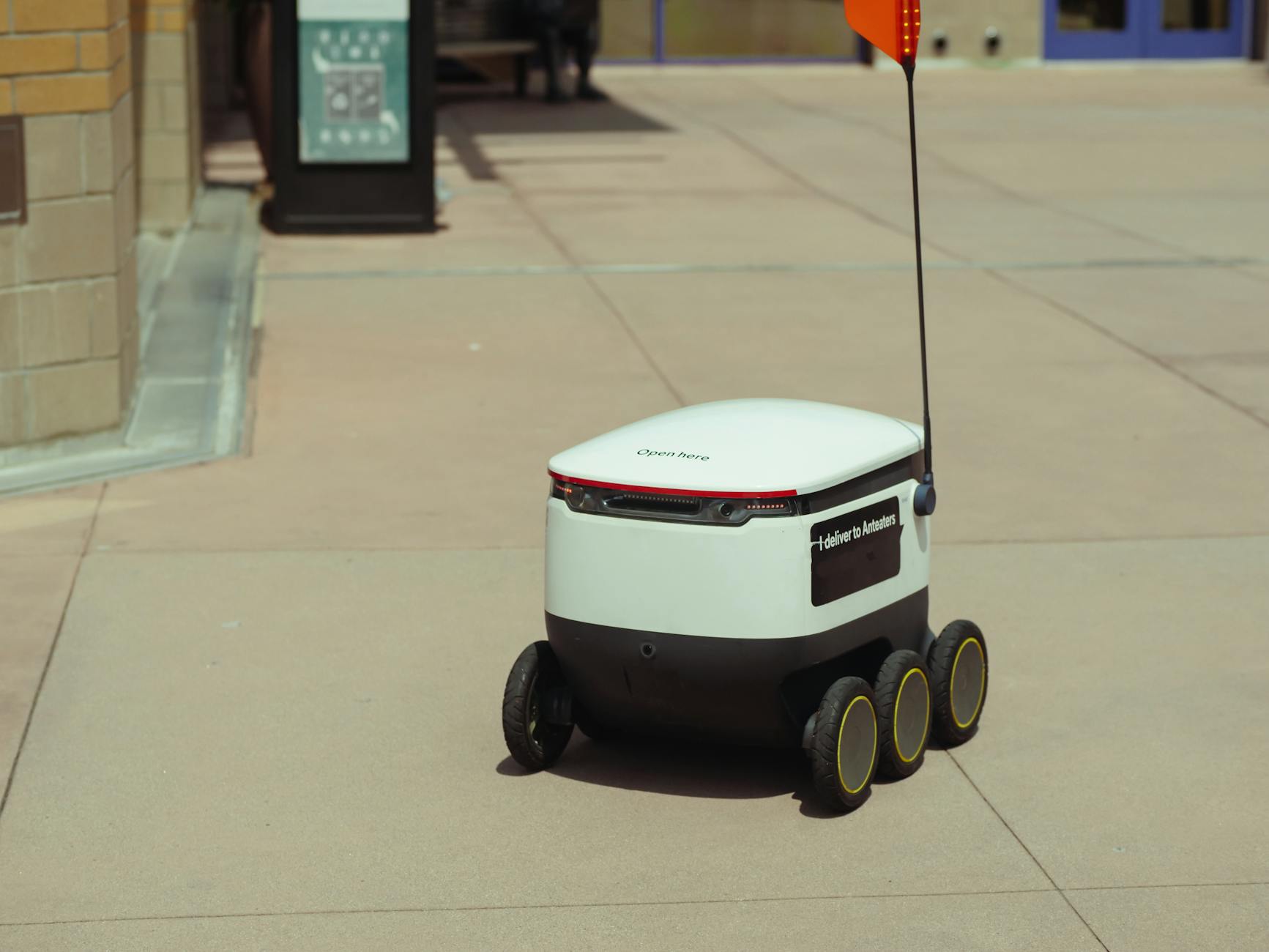

SERV, the Selective Engagement Robotic Vehicle system, represents one of the earliest attempts to deploy coordinated robotic networks in urban environments, emerging in the early 2000s as municipalities began exploring automation for public infrastructure management. Rather than a single monolithic platform, SERV functioned as a distributed network of semi-autonomous robots designed to handle inspection, maintenance, and emergency response tasks across city infrastructure—from sewer systems to bridge monitoring to hazardous material detection. The system marked a significant departure from one-off robotic deployments by introducing standardized communication protocols and coordinated task management, allowing multiple robots to work together on complex urban problems.
What made SERV distinctive was its emphasis on decentralized operation. Unlike later commercial robotics platforms that rely on centralized cloud management, SERV robots could operate independently while communicating with a loosely coupled network, allowing continued function even when individual units failed or communication links dropped. This design philosophy reflected the practical realities of urban deployment—tunnels, underground passages, and dense building structures create communication dead zones where centralized control becomes impossible.
Table of Contents
- What Were the Core Technical Components of SERV Urban Robotics Network?
- Infrastructure Integration and Network Architecture Limitations
- Early Deployment Cases and Municipal Applications
- Operational Challenges and Maintenance Requirements
- Integration with Legacy Infrastructure and Modern Systems
- Software Architecture and the Coordination Challenge
- Legacy and Evolution Toward Modern Urban Robotics
- Conclusion
- Frequently Asked Questions
What Were the Core Technical Components of SERV Urban Robotics Network?
serv consisted of several modular robot classes, each optimized for different urban tasks. The primary units included wheeled inspection bots (equipped with camera arrays and chemical sensors), tracked vehicles capable of traversing damaged infrastructure, and smaller aerial drones for above-ground surveying. Each robot class operated on standardized battery systems and used radio frequency identification (RFID) tags embedded in urban infrastructure to navigate and locate specific maintenance points without GPS, which proved unreliable underground.
The communication architecture relied on a mesh network topology rather than point-to-point connections. When one robot encountered a problem too complex for independent resolution, it could broadcast task requests to nearby units, which would then autonomously decide whether they possessed the necessary capabilities and available resources to assist. This approach contrasted sharply with contemporary industrial robotics, which typically required constant human oversight and pre-programmed sequences. SERV robots maintained internal task queues and could adapt procedures based on sensor feedback—if an inspection revealed unexpected structural damage, the robot could adjust subsequent measurements and flag the area for human inspection.

Infrastructure Integration and Network Architecture Limitations
Implementing SERV networks required significant upfront investment in urban infrastructure modifications. Cities needed to install communication nodes at regular intervals throughout sewer systems, subway tunnels, and utility corridors—often a disruptive process in established urban areas. Additionally, the RFID navigation system required mapping and tagging thousands of infrastructure points, a labor-intensive process that could take months in large metropolitan areas. One major limitation emerged quickly: the system worked best in structured, mapped environments with stable infrastructure.
In rapidly changing urban areas or locations with frequent construction, the RFID maps became outdated, forcing robots into manual override modes that negated many efficiency gains. The mesh network architecture, while resilient to individual node failures, created unexpected challenges in crowded urban environments where radio interference from cellular networks, building wiring, and other wireless systems degraded communication reliability. Some implementations experienced data packet loss rates exceeding 30 percent during peak hours, requiring robots to implement error-correction protocols that consumed processing power and battery life. Maintenance of the distributed network itself became complex—identifying communication dead zones and deploying new relay nodes required careful analysis and repeated field testing.
Early Deployment Cases and Municipal Applications
The first major SERV deployment occurred in a mid-sized Midwestern city in 2004, where robots were tasked with inspecting aging sewer infrastructure to identify sections requiring repair or replacement. Previously, this work required human inspectors to enter potentially hazardous underground environments. Over an 18-month deployment, the SERV network mapped 120 miles of sewer line, identified 47 critical structural failures, and logged over 3,200 operational hours without serious equipment failure or human injury. The cost savings on inspection labor alone justified the initial deployment investment.
However, a second deployment in a coastal city demonstrated the system’s vulnerability to operational assumptions. The SERV network was designed assuming relatively stable infrastructure, but the coastal city’s aging cast-iron pipes corroded unpredictably, creating passages too narrow for some robot units and too dangerous for human follow-up. When the robots identified structural problems, remediation efforts sometimes destabilized infrastructure further, requiring real-time human decision-making that the semi-autonomous design hadn’t anticipated. This deployment revealed that SERV functioned best as a specialized inspection tool rather than a comprehensive infrastructure management system.
Operational Challenges and Maintenance Requirements
Operating SERV networks demanded significant technical expertise that most municipal agencies struggled to develop. The robots themselves were relatively robust, but the distributed software architecture proved fragile when parts of the network became isolated or degraded. Firmware updates, necessary to fix software bugs or add new capabilities, had to be coordinated carefully to prevent communication mismatches between robot units. One notable failure occurred when a routine update was distributed to only 40 percent of a network before hardware failure interrupted the rollout, leaving the fleet fragmented between incompatible software versions.
Battery management created ongoing operational friction. The robots’ lithium-ion battery systems (standard for the era) suffered predictable performance degradation in cold underground environments, reducing effective operating time by 15-25 percent during winter months. Charging infrastructure itself had to be strategically positioned throughout service areas, and coordinating robot schedules to ensure units returned to charging stations before battery depletion required sophisticated task-scheduling software. The comparison to human crews was revealing: deploying 12 SERV robots for continuous sewer inspection required three human technicians working part-time for monitoring and maintenance, partially offsetting labor savings from automation.
Integration with Legacy Infrastructure and Modern Systems
SERV’s original design assumed integration with municipal infrastructure monitoring systems that largely didn’t exist in most cities. Bridging the gap required custom software development for each deployment, essentially building a new information management system parallel to existing (often paper-based) asset tracking processes. City departments accustomed to traditional maintenance schedules found the real-time inspection data both valuable and disruptive—highlighting infrastructure problems faster than budget cycles could accommodate repairs.
A critical vulnerability emerged around data management. SERV networks generated enormous volumes of sensor data—cameras, structural stress sensors, chemical composition measurements—that required storage, processing, and analysis. Cities often lacked the IT infrastructure to manage this effectively, leading to data loss, incomplete datasets, and missed opportunities to identify patterns across multiple infrastructure systems. The warning from early deployments: implementing SERV required not just installing robots, but fundamentally upgrading how municipalities managed and analyzed infrastructure information.
Software Architecture and the Coordination Challenge
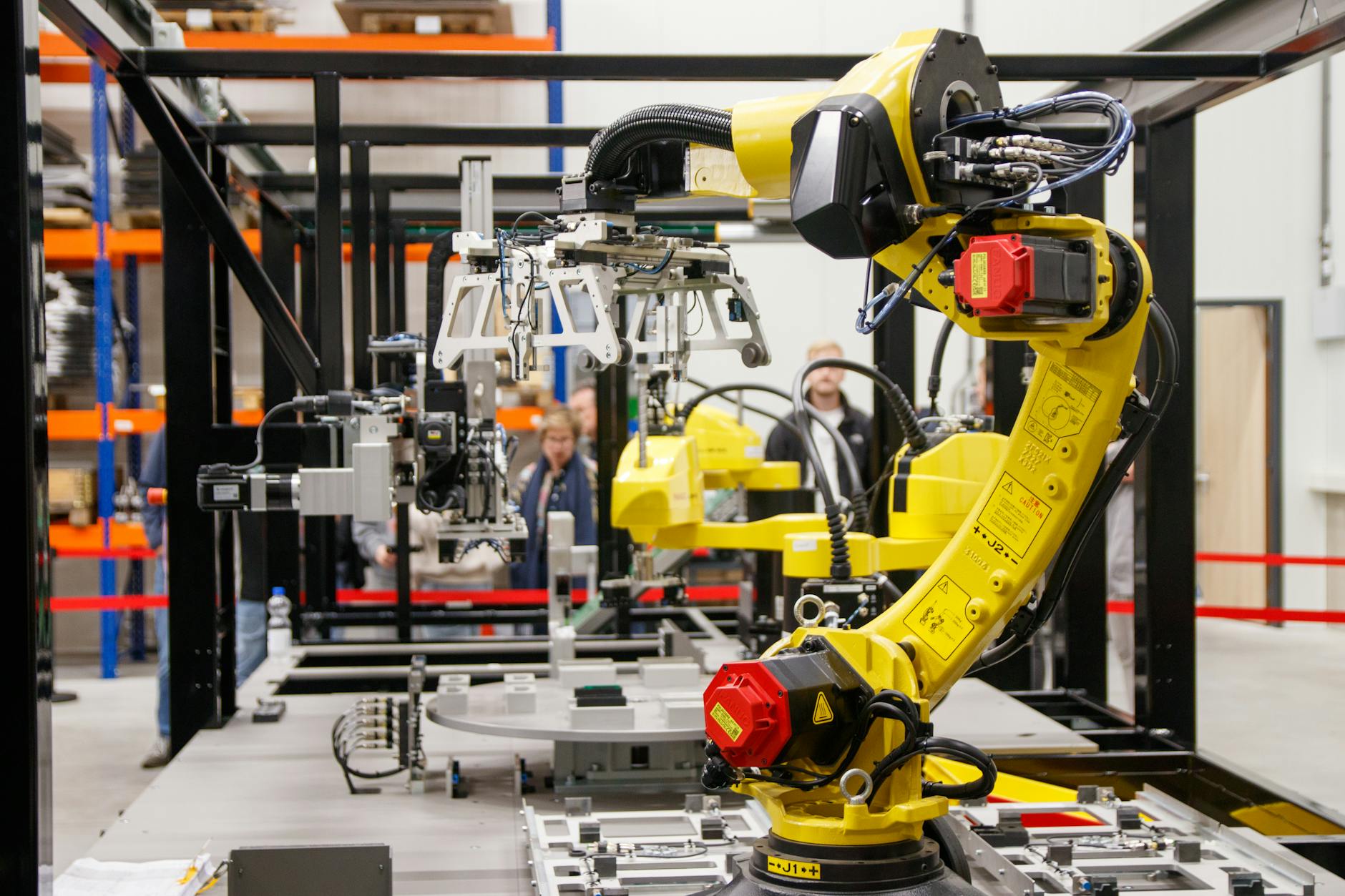
The distributed software architecture that made SERV resilient also made it difficult to optimize. Unlike centralized robotics systems where a single control algorithm coordinates all units, SERV required each robot to make independent decisions about task priority, resource allocation, and collaboration. This created inefficiencies where robots sometimes moved toward the same location independently, or where individual units lacked information about work completed by other robots in the network.
One documented case involved a SERV deployment where two independent inspection robots spent 40 minutes both investigating the same structural anomaly before recognizing through delayed network messages that the work was already underway. This redundancy, while occasionally preventing issues from being overlooked, represented wasted battery life and delayed other maintenance tasks. Later implementations attempted to improve coordination through more aggressive peer-to-peer communication protocols, but this increased power consumption and radio interference.
Legacy and Evolution Toward Modern Urban Robotics
While SERV networks have largely been superseded by more advanced platforms with GPS, cellular connectivity, and cloud integration, the fundamental challenges they identified remain relevant. Modern urban robotics systems inherit solutions developed during SERV deployments—mesh network resilience patterns, autonomous task scheduling algorithms, and practical approaches to operating robots in GPS-denied environments all trace their conceptual roots to early SERV engineering.
The project’s broader significance lies in documenting that municipal infrastructure management cannot be simply automated through robotics alone. Successful deployment required changing how cities organized maintenance data, trained technical staff, and integrated real-time infrastructure information into decision-making processes. This organizational adaptation often proved as challenging as the technical implementation.
Conclusion
SERV represents an important chapter in urban robotics development, demonstrating both the potential and limitations of early autonomous system deployments in complex real-world environments. The network’s semi-autonomous architecture, while innovative for its time, revealed the tension between system resilience and operational efficiency—building systems robust enough to function when communication fails creates inefficiencies and coordination challenges that can limit overall capability.
The lessons from SERV deployments continue informing how municipalities approach infrastructure automation today. Rather than expecting robotics to simply replace human workers, successful implementations treat robots as tools that augment human expertise while requiring significant organizational changes in data management, technical staffing, and infrastructure assessment procedures. Understanding this history helps current project leaders anticipate implementation challenges and recognize that the technical innovation is often the simpler part of deploying autonomous systems in complex urban environments.
Frequently Asked Questions
Why did SERV use RFID navigation instead of GPS?
GPS signals cannot penetrate underground structures like sewer systems, subway tunnels, and utility vaults where much of SERV’s early deployment occurred. RFID tags embedded in infrastructure provided reliable position references in these GPS-denied environments, though this required extensive upfront infrastructure tagging and maintenance.
How did SERV robots communicate with each other?
SERV used mesh network topology where robots could relay messages through nearby units, allowing communication even when direct line-of-sight to other robots wasn’t possible. This made the system resilient to individual unit failures but sometimes created data latency and coordination challenges.
What types of tasks was SERV designed for?
Primary applications included sewer and pipe inspection, structural assessment of underground infrastructure, hazardous material detection, and emergency response reconnaissance in damaged areas. The modular design allowed different robot classes to be optimized for specific task types.
Why did some SERV deployments fail or underperform?
Key failure factors included outdated RFID maps in changing environments, radio interference in dense urban areas, insufficient municipal IT infrastructure to process and act on sensor data, and coordination challenges between distributed robots performing similar tasks.
How did SERV’s approach differ from later robotics platforms?
SERV operated with limited connectivity and central coordination, making decentralized decisions necessary. Modern systems rely on cellular networks and cloud computing for centralized management, offering better coordination at the cost of requiring reliable communication infrastructure.
Is SERV still in operation?
Most original SERV deployments have been replaced by newer platforms with improved sensors and communication capabilities. However, the architectural principles and lessons from SERV implementations continue informing urban robotics development.