
Yes. The next dominant player in robotics isn’t going to be another hardware manufacturer or robot designer—it’s going to be a robotics safety systems company. We’re witnessing the exact moment this shift begins. In March 2026, UL Solutions granted its first-ever safety certification for a public-facing autonomous robot to Simbe’s Tally under the UL 3300 standard, marking a watershed moment: safety certification has become the gating factor for commercial deployment. Just as NVIDIA became indispensable by controlling the compute layer that all robotics companies depend on, a safety systems company will become indispensable by controlling the certification and validation layer that all robots need to operate in the real world.
The reason is straightforward: robots cannot scale commercially without proving they’re safe. A company can build a brilliant robot, but if it can’t pass safety certification, it can’t be deployed at scale in retail environments, manufacturing plants, or any regulated space. This creates a massive opportunity for any company that can become the trusted authority in robot safety—the gatekeeper between innovation and deployment. The global service robotics market is projected to grow from $26.35 billion in 2025 to $90.09 billion by 2032 at a 19.2% compound annual growth rate, and every single robot in that market will need to meet safety standards. That’s the leverage point.
Table of Contents
- Why Safety Certification Is Becoming the Bottleneck in Robotics Deployment
- The Certification Authority Advantage and Its Concentration Risk
- The Market Opportunity: $90 Billion of Safety-Gated Growth
- How Companies Are Positioning Themselves in Robot Safety
- The Hidden Challenge: Liability and the Safety Systems Arms Race
- Real-World Example: How Safety Certification Shapes Market Adoption
- The Future: Consolidation and the Rise of Safety as a Core Competency
- Conclusion
Why Safety Certification Is Becoming the Bottleneck in Robotics Deployment
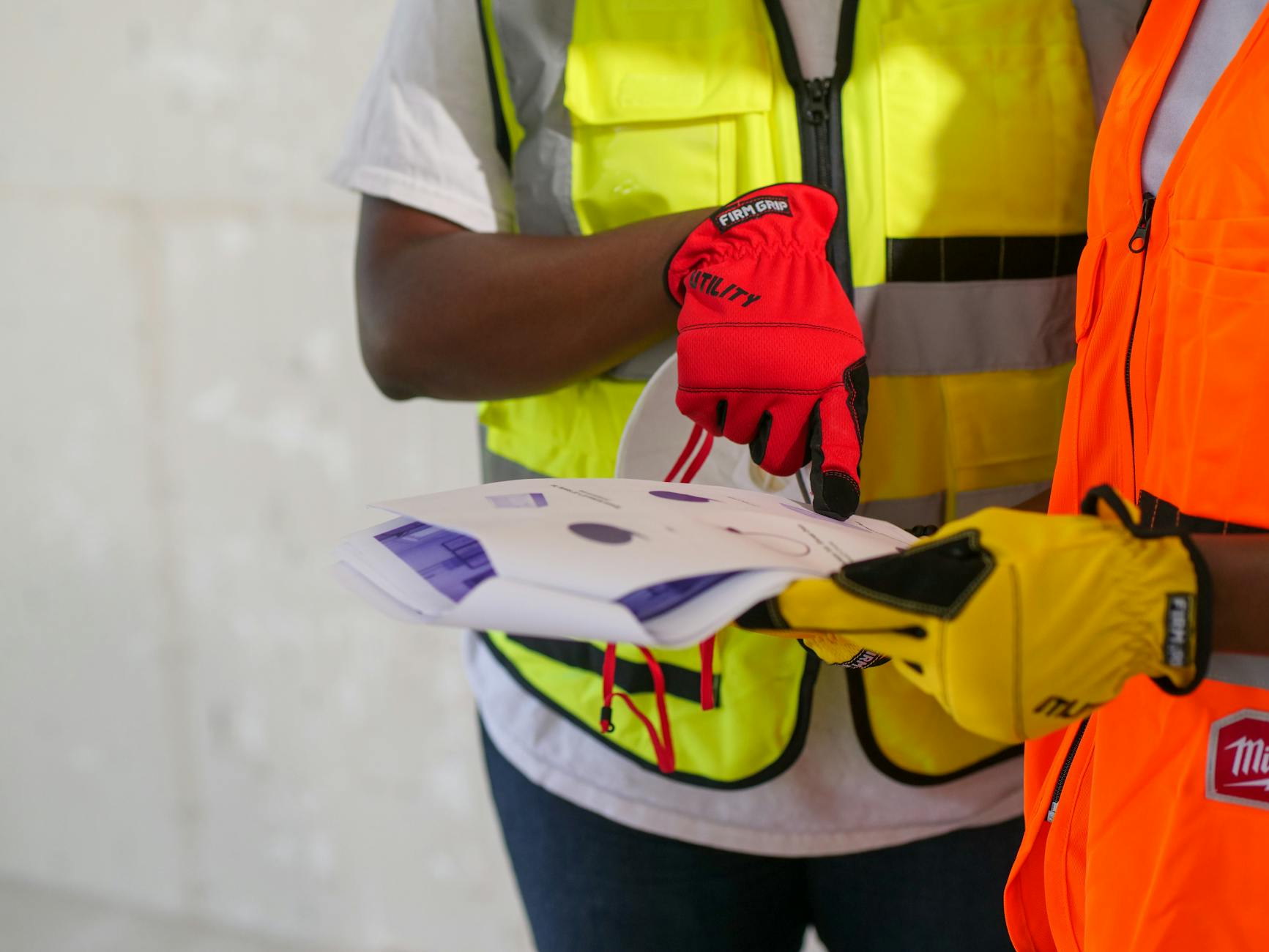
For years, robotics companies obsessed over hardware specs, computation speed, and AI performance. Safety was an afterthought—something you addressed late in development. That’s changing because regulators, insurers, and enterprise buyers are demanding proof that robots won’t fail catastrophically around humans. UL 3300 and similar standards exist to formalize this requirement. A robot that fails safety certification can’t be sold into mainstream markets, no matter how advanced its AI is. The market is starting to feel this constraint. FORT Robotics has built a entire business around functional safety certification, achieving SIL 3 (Safety Integrity Level 3) certification with over 600 customers across defense, agriculture, and logistics.
They’re not building robots—they’re building the safety infrastructure that robot companies depend on. Similarly, NVIDIA’s Halos Certified Program became the first ANSI National Accreditation Board accredited inspection lab for AI-driven physical systems, partnering with companies like Boston Dynamics. These aren’t side businesses for these companies; they’re becoming central to their positioning. The limitation is that safety certification is slow and expensive. Getting a robot certified under UL 3300 requires extensive testing, documentation, and validation. For fast-moving startup robotics companies, this becomes a major drag on time-to-market. Companies like Saphira are building businesses specifically around accelerating safety certification for industrial robots and heavy machinery, helping manufacturers compress what would normally take months into weeks. This creates a clear market need—and a clear opportunity for the company that does it best.
The Certification Authority Advantage and Its Concentration Risk
There’s a structural advantage that safety systems companies have: once they establish themselves as the authority in robot safety, they become nearly impossible to displace. When UL granted Simbe’s Tally its first certification under UL 3300, that wasn’t just a technical validation—it was a market signal that carries enormous weight. Retailers, fleet operators, and enterprises use that certification as proof of safety, which means they’re less likely to question the robot’s viability. this creates a moat around the certification authority. The danger is concentration. UL Solutions, TÜV SÜD, and a handful of other established certification bodies are consolidating power over the entire robotics industry. A startup robotics company has to go through these authorities to reach the market.
That’s tremendous leverage. If a certification authority raises its standards, slows its process, or simply prioritizes certain robot types over others, it shapes the entire industry’s development trajectory. We’re already seeing hints of this: NVIDIA’s decision to create its own accredited inspection lab for AI physical systems is partly about reducing dependence on traditional certification authorities, but it’s also about NVIDIA extending its influence further into robotics. The practical risk for robotics companies is real. They’re dependent on entities outside their control to validate and bring products to market. A certification delay or failure can kill a product timeline. Saphira’s entire value proposition is built around shortening this cycle, but that’s still a band-aid solution. Until robotics companies have more optionality in certification pathways, the certification authorities maintain structural power.
The Market Opportunity: $90 Billion of Safety-Gated Growth
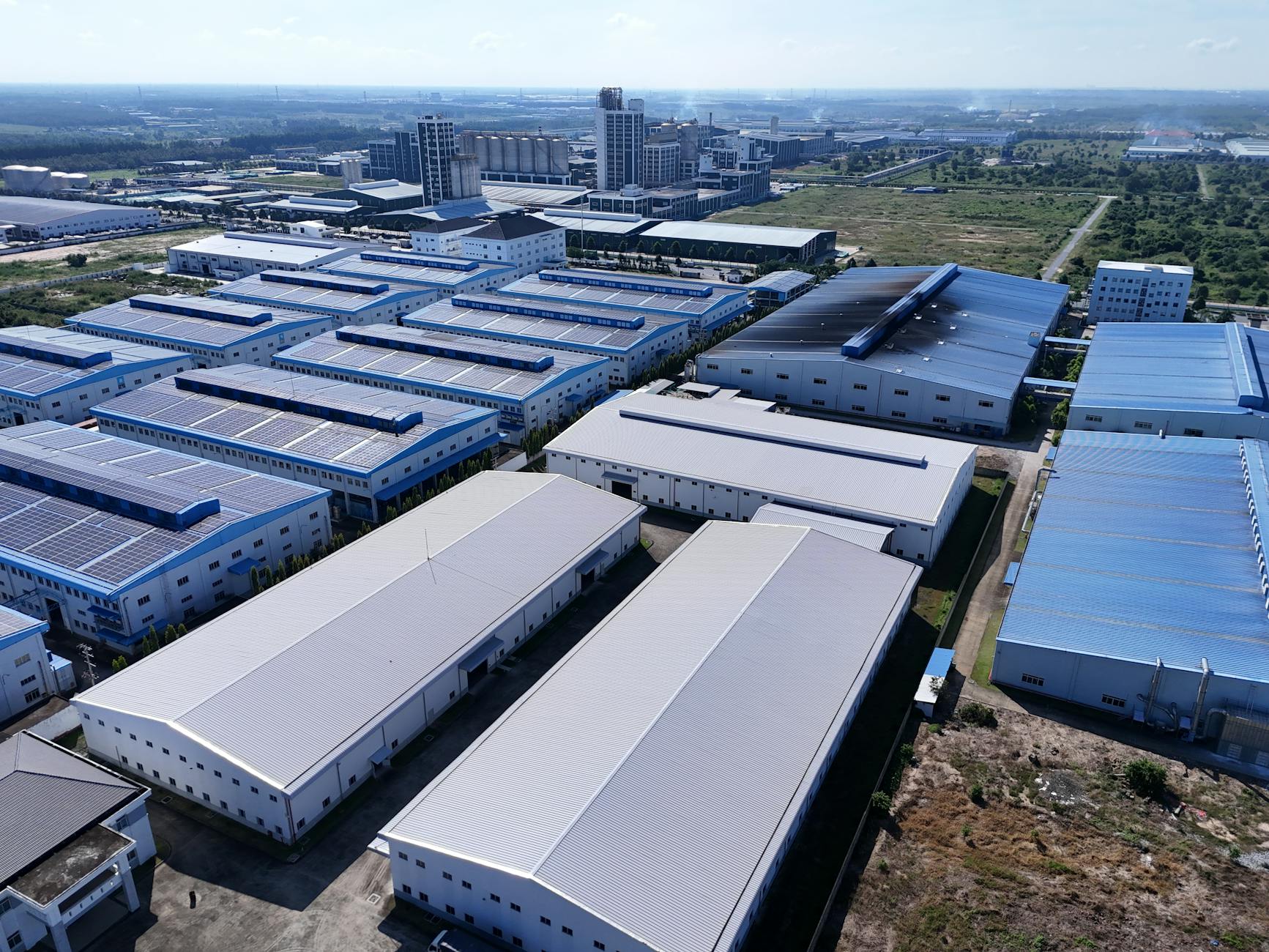
The numbers are driving this consolidation. The U.S. robotics sector alone is expected to reach $10.45 billion in 2026. But the real opportunity is in service robotics—the market for robots that interact with humans in retail, logistics, healthcare, and hospitality. That segment is projected to grow from $26.35 billion in 2025 to $90.09 billion by 2032. That’s a 245% increase in market size in less than a decade, and virtually every dollar of that growth is contingent on safety certification. A safety systems company positioned correctly can take a cut of that entire market. UL Solutions doesn’t just certify individual robots—it’s building a category where “UL 3300 certified” becomes a purchasing requirement for enterprise customers.
That’s how you scale to billions in revenue. Every robot that gets deployed in a retail environment needs certification. Every autonomous delivery robot needs validation. Every collaborative manufacturing robot needs safety standards compliance. The company that controls that gate controls access to a massive, growing market. The economics are favorable because certification is capital-efficient. UL Solutions doesn’t have to manufacture anything; it provides validation services, testing protocols, and accreditation. The margins on certification services are typically higher than hardware margins, and the customer acquisition cost is lower because large robot manufacturers have no choice but to work with you. This is why NVIDIA’s move into physical AI inspection labs through the Halos program is significant—it’s expanding their revenue base without requiring them to build more chips.
How Companies Are Positioning Themselves in Robot Safety
The competitive landscape is already fragmenting along predictable lines. You have traditional certification authorities like UL Solutions that are adapting to robotics. You have specialized safety infrastructure companies like FORT Robotics that are building deep expertise in specific sectors. You have accelerators like Saphira that are making certification faster. And you have tech giants like NVIDIA that are trying to own both the hardware and the validation layers. None of these players is clearly dominant yet, which is the opening. UL Solutions has the brand and regulatory credibility, but it’s a legacy company learning robotics.
FORT Robotics has deep expertise but limited scale outside defense and agriculture. Saphira is innovating on speed but doesn’t have certification authority. NVIDIA has leverage but is still mostly focused on chips. The company that emerges as the dominant force will likely be one that combines regulatory authority, technical credibility, speed of certification, and horizontal applicability across robot types. The tradeoff is between breadth and depth. A company like UL that tries to set standards for all robots can influence the entire market but moves slowly and may miss category-specific needs. A company like FORT that goes deep into specific verticals scales faster within those verticals but has limited total addressable market. The winner will probably be the one that can do both—set horizontal standards while enabling vertical acceleration.
The Hidden Challenge: Liability and the Safety Systems Arms Race
Here’s a risk that most robotics discussions miss: as robots become more autonomous and more prevalent, liability becomes complicated. If a robot fails and injures someone, who’s liable—the robot manufacturer, the safety certifier, or both? This creates a perverse incentive where safety systems companies become more conservative over time, raising standards faster than the technology can reliably meet them. UL’s first certification of Simbe’s Tally is a threshold moment, but it also creates pressure to maintain that standard—any subsequent certification failure would damage UL’s credibility. This is an arms race. As robots become more powerful and more autonomous, safety standards have to rise correspondingly. NVIDIA’s Halos program setting ANSI accreditation for AI-driven physical systems is partly about keeping up with this rising bar.
The danger is that standards become so stringent that they slow innovation more than they protect safety. The companies that navigate this tension well—maintaining credibility without throttling progress—will be the winners. For robotics companies, this means the cost of certification will likely rise over time, not fall. Early movers like Simbe got through with relatively streamlined UL 3300 validation, but future certifications may require more extensive testing, longer timelines, and higher fees. Any safety systems company trying to compete on price will struggle because the liability risk incentivizes conservative, expensive processes. This favors established, well-capitalized players.
Real-World Example: How Safety Certification Shapes Market Adoption
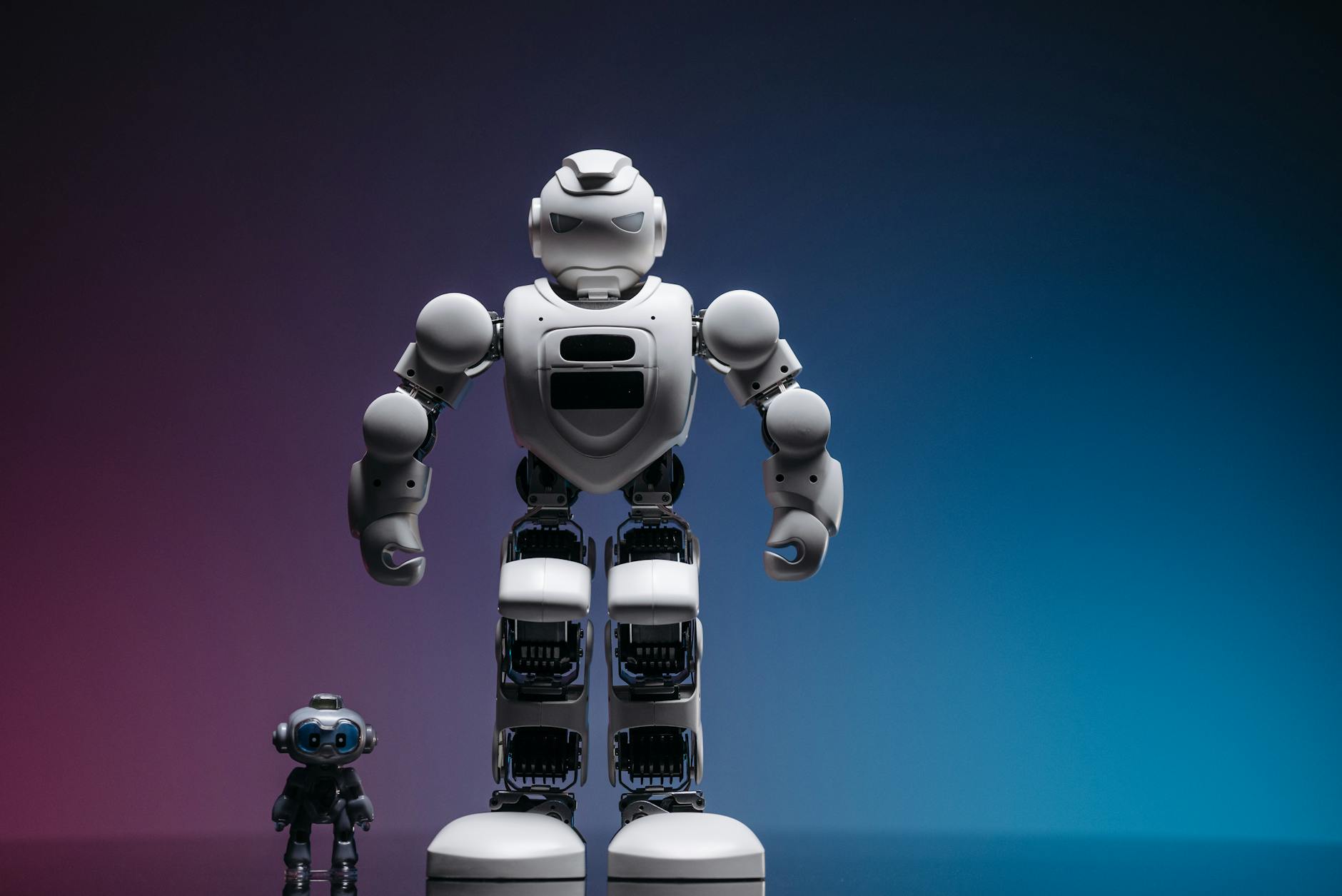
Look at what’s happening with collaborative manufacturing robots. These robots work alongside humans on factory floors, and they have to prove they won’t crush a worker’s hand if something goes wrong. The safety standards for collaborative robots are strict, and companies like Universal Robots had to invest heavily in safety architecture and certification to scale. That investment became a competitive advantage because it gave UR credibility that startups couldn’t easily replicate.
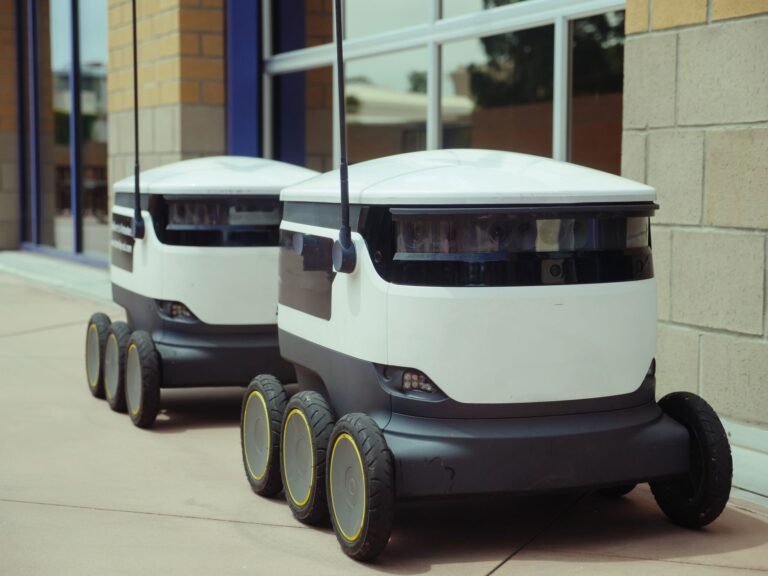
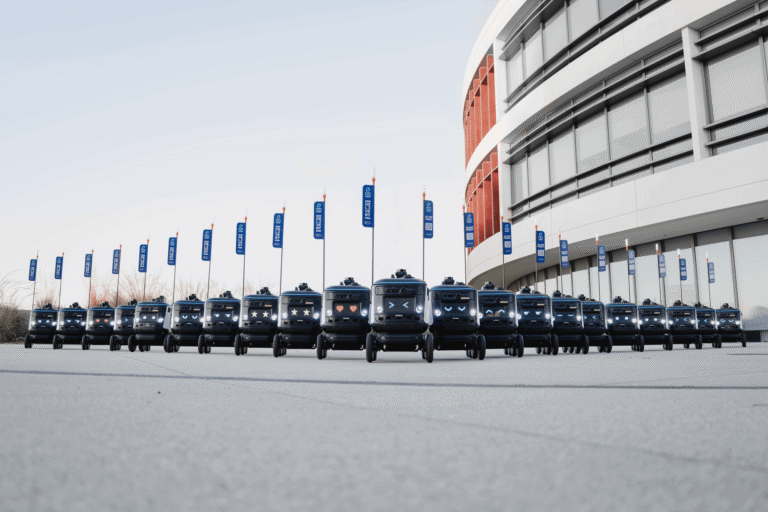
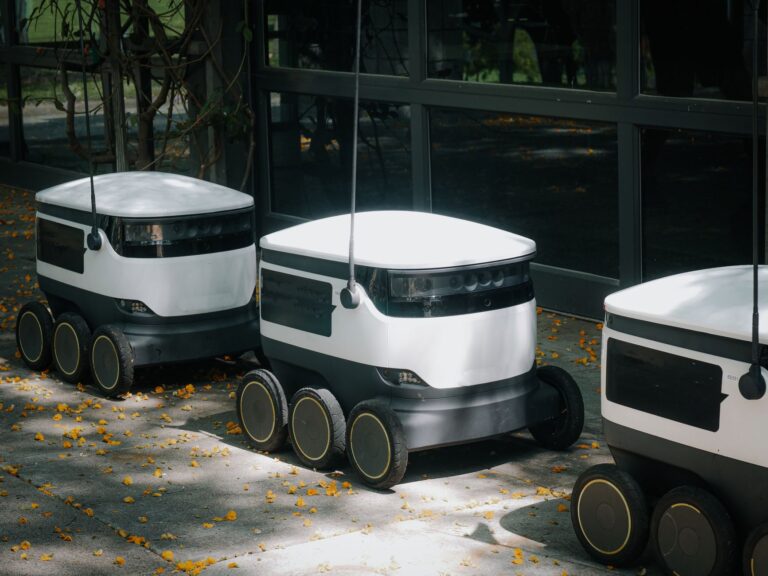
Now apply that to retail robotics. Simbe’s Tally operates autonomously in retail environments, navigating around customers and employees. The UL 3300 certification wasn’t just a checkbox—it required Simbe to prove the robot could detect humans, maintain safe speeds, handle edge cases, and fail safely. That certification became the proof point that allowed retailers to deploy the robot at scale. Without it, even a technically superior robot would struggle to get enterprise adoption.
The Future: Consolidation and the Rise of Safety as a Core Competency
The robotics safety systems market is heading toward consolidation. Within five years, you’ll probably see one or two dominant players emerge, similar to how UL and other major testing authorities consolidated globally. The winner will likely combine regulatory authority, technical excellence, speed of certification, and horizontal industry influence.
What’s interesting is that this dynamic mirrors NVIDIA’s rise in AI. NVIDIA didn’t invent deep learning, but it became indispensable because everyone building large neural networks depended on NVIDIA GPUs. A safety systems leader will become similarly indispensable—every robot company deploying at scale will need to work with them. That’s the path to the next $100 billion company in robotics.
Conclusion
The next Nvidia in robotics will be a safety systems company because safety is the actual gating factor for robot commercialization at scale. Every robot in that $90 billion market opportunity needs certification, and the company that controls that certification process controls access to the entire market. UL Solutions, FORT Robotics, Saphira, and NVIDIA’s Halos program are all competing for this position, but the winner hasn’t emerged yet.
The opportunity is massive, the moat is structural, and the timing is now. If you’re evaluating robotics companies or investing in the space, pay attention to their safety certifications and partnerships. That’s not a downstream detail—it’s the foundation of scalable deployment. The race for safety dominance in robotics is already underway.