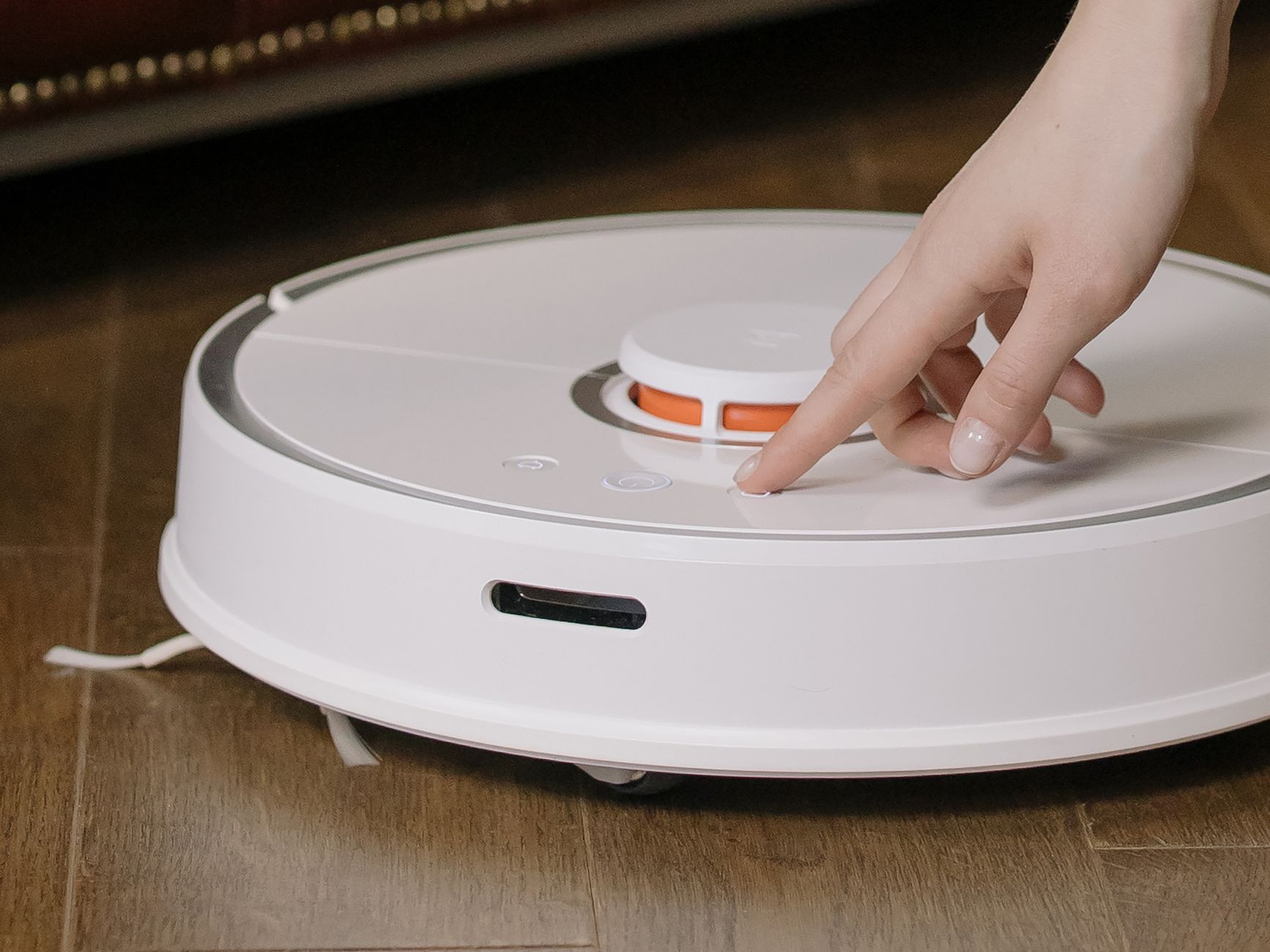

Matic is raising the price of its robot vacuum by $250 starting September 9, 2026, moving the product from its current price of $1,245 to $1,495. The company announced the increase to The Verge, citing escalating costs for memory and other critical components that have become roughly tenfold more expensive than they were previously. This represents a meaningful shift in the robot vacuum market, where Matic has established itself as a competitor in the mid-to-premium segment.
The increase is substantial enough that existing owners and prospective buyers face a genuine decision point. For those considering a Matic purchase, the timing of their order will directly impact their out-of-pocket cost by a quarter of a thousand dollars. For current owners, the price increase underscores the company’s struggle with global supply chain pressures that have affected component manufacturers across the robotics industry.
Table of Contents
- Why Are Memory and Component Costs Driving the Price Hike?
- The Real Cost to Current and Prospective Customers
- How Matic Is Trying to Soften the Blow with Incentives
- The Extended Return Policy Changes the Purchase Risk Calculus
- Market Positioning and Competitive Implications
- The Component Cost Story Behind the Scenes
- Timing Your Purchase: Before or After September 9
Why Are Memory and Component Costs Driving the Price Hike?
The semiconductor and memory chip shortage that began in 2021 never fully resolved for many specialized components. robot vacuums rely on sophisticated memory systems to map rooms, remember floor plans, and update navigation algorithms. Matic’s reporting that these components cost roughly ten times what they did previously aligns with broader industry experiences, though the exact timeline and which specific components are most affected remains partially unclear from the company’s public statements. This type of component inflation is not unique to Matic.
Other robotics manufacturers have faced similar pressures, though many have absorbed costs longer before passing them to consumers. The decision to raise prices now suggests Matic either reached a point where profit margins became unsustainable, or the company expects component costs to remain elevated for the foreseeable future. For a company manufacturing in a competitive space, waiting too long to adjust pricing can erode financial viability. The memory components in question likely include both the RAM used for real-time processing and the NAND storage that maintains persistent mapping data. These are not commodity parts—they require specific performance characteristics and reliability standards for autonomous devices operating in homes.
The Real Cost to Current and Prospective Customers
A $250 increase on a $1,245 product represents a 20 percent price jump, which crosses a psychological and practical threshold for consumer electronics. Someone who was on the fence at $1,245 may find the $1,495 price point pushes the purchase into a different consideration category—comparing it more directly against robotic competitors in the $1,500+ range rather than the $1,000–$1,300 range. Existing Matic owners gain an unexpected advantage: they locked in the lower price. However, this creates a two-tier market where early adopters retain significantly better value.
For consumers waiting for sales or discounts, the timing becomes critical. Retailers may discount the current $1,245 inventory in the weeks before the September 9 cutoff, but those discounts will likely be limited since distributors know demand may spike ahead of the price increase. The price increase also affects the total cost of ownership calculation. Matic robot vacuums require replacement bags and maintenance supplies, and these consumables add to the lifetime expense. A customer purchasing at the new price is immediately starting $250 further back before accounting for operational costs.
How Matic Is Trying to Soften the Blow with Incentives
Recognizing the impact of the price increase, Matic is offering a direct purchase incentive: customers buying from the company’s website receive a year’s worth of replacement bags (valued at approximately $96) at no extra cost, plus free shipping. This addresses two pain points simultaneously—the upfront cost and the ongoing expense of consumables. The free shipping sweetener may seem minor on a $1,495 purchase, but it typically saves $15–$30 depending on destination.
More significantly, the year of included bags represents genuine offsetting value. If a household runs the Matic twice weekly, consuming roughly one bag every two to three weeks, the year’s supply covers a substantial portion of the first year’s operational costs. However, this incentive only applies to direct purchases from Matic’s website, not to purchases through retail partners or third-party marketplaces. A customer buying from Amazon or a big-box retailer will pay the new price without the bag subsidy or free shipping, making the channel of purchase materially important as of September 9.
The Extended Return Policy Changes the Purchase Risk Calculus
Matic has extended its return window from 60 days to 6 months, a significant policy change that reduces the risk of a disappointing purchase. Six months provides enough time to test the vacuum through multiple seasons, different floor types, and various room configurations. This matters because robot vacuum performance is not universal—a unit that works well in a sparse, open floor plan may struggle with cluttered spaces or thick carpet transitions. The six-month window effectively creates a trial period long enough that a buyer could theoretically purchase before September 9 at the lower price, use it for five months, and return it guilt-free if unhappy.
This is a material advantage for customers uncomfortable with the $1,495 price point but unsure of product fit. For someone living with roommates or family members who might have strong opinions about the vacuum’s noise or performance, the extended return period acts as insurance. That said, the extended return policy applies to new purchases, not used units or items already in circulation. It also does not change the fact that shipping returns is inconvenient and time-consuming, even if financially covered.
Market Positioning and Competitive Implications
The price increase positions Matic further into the premium robot vacuum space. At $1,495, Matic competes more directly with established high-end models from brands like iRobot and Samsung, rather than occupying a distinct value-performance niche. This shift changes the conversation around whether consumers should buy Matic or wait for discounts on competitor models with larger market share and deeper discount histories. Matic’s relative newness in the market means it lacks the brand loyalty and installed user base of established players.
A significant price increase, even with justification, can accelerate some prospective buyers toward brands with longer track records. Conversely, the extended return policy and direct-purchase incentives are designed to mitigate this shift by reducing perceived risk. For consumers researching robot vacuums right now, the September 9 deadline creates artificial urgency. This is worth recognizing: the company needs to move inventory before the price takes effect, and that need is now reflected in your decision timeline.
The Component Cost Story Behind the Scenes
Memory and processing components for robotics are not like consumer smartphone chips, where competition and volume drive prices downward. Matic’s vacuum uses specialized NAND and DRAM designed for reliability in a device that runs continuously and must handle power fluctuations in home environments.
These components are sourced from a smaller pool of suppliers, and when costs increase across the board, manufacturers have limited negotiating leverage. The “tenfold” increase Matic cites is striking but also suggests the company may be referencing specific component categories rather than a blanket multiplier across all parts. Even so, if memory costs alone represent 10–15 percent of manufacturing cost and they’ve increased by a factor of ten, that alone could justify a 10–15 percent price increase across the product.
Timing Your Purchase: Before or After September 9
The decision to buy now at $1,245 or wait for a potential discount at $1,495 depends on several factors. If you need a robot vacuum immediately and the current model meets your needs, purchasing before September 9 saves money outright. If you’re still evaluating whether to buy, the six-month return window and included year of bags significantly reduce the risk of purchasing at the new price directly from Matic’s website.
For bargain hunters, watch retail channels like Amazon and Best Buy closely in early September. Retailers typically clear old-price inventory before manufacturers enforce new pricing, and these periods often yield the deepest discounts. However, those discounts might be modest—perhaps 10–15 percent off the new $1,495 price—which would still be higher than the current $1,245 baseline.
- —