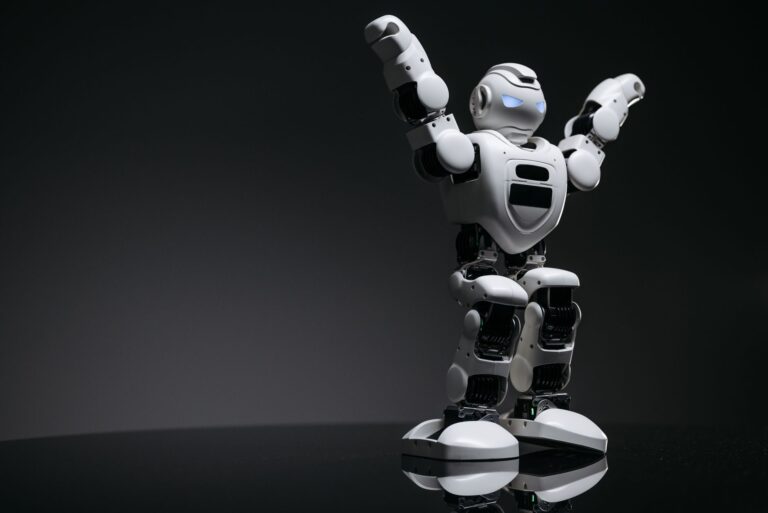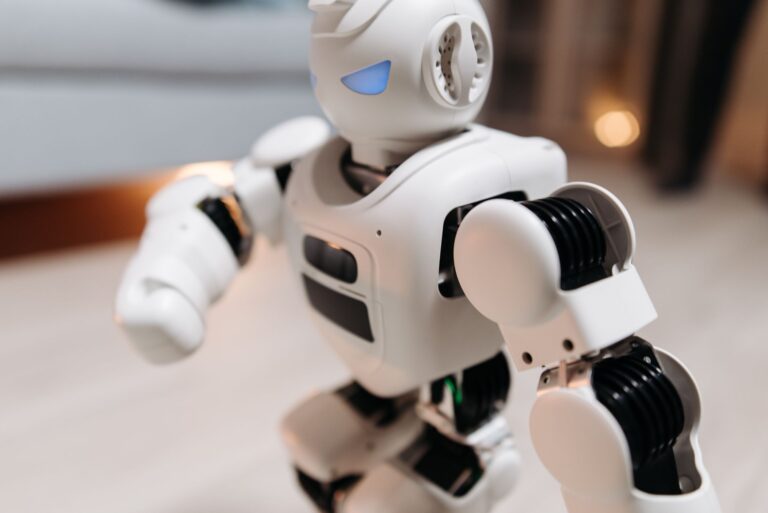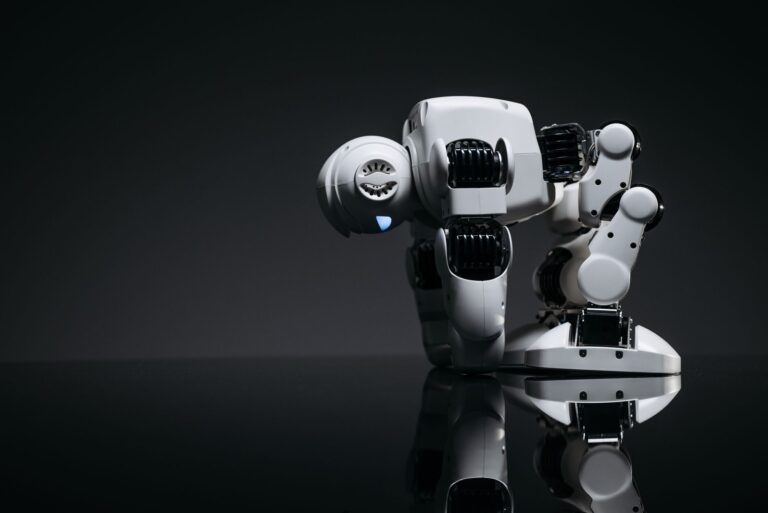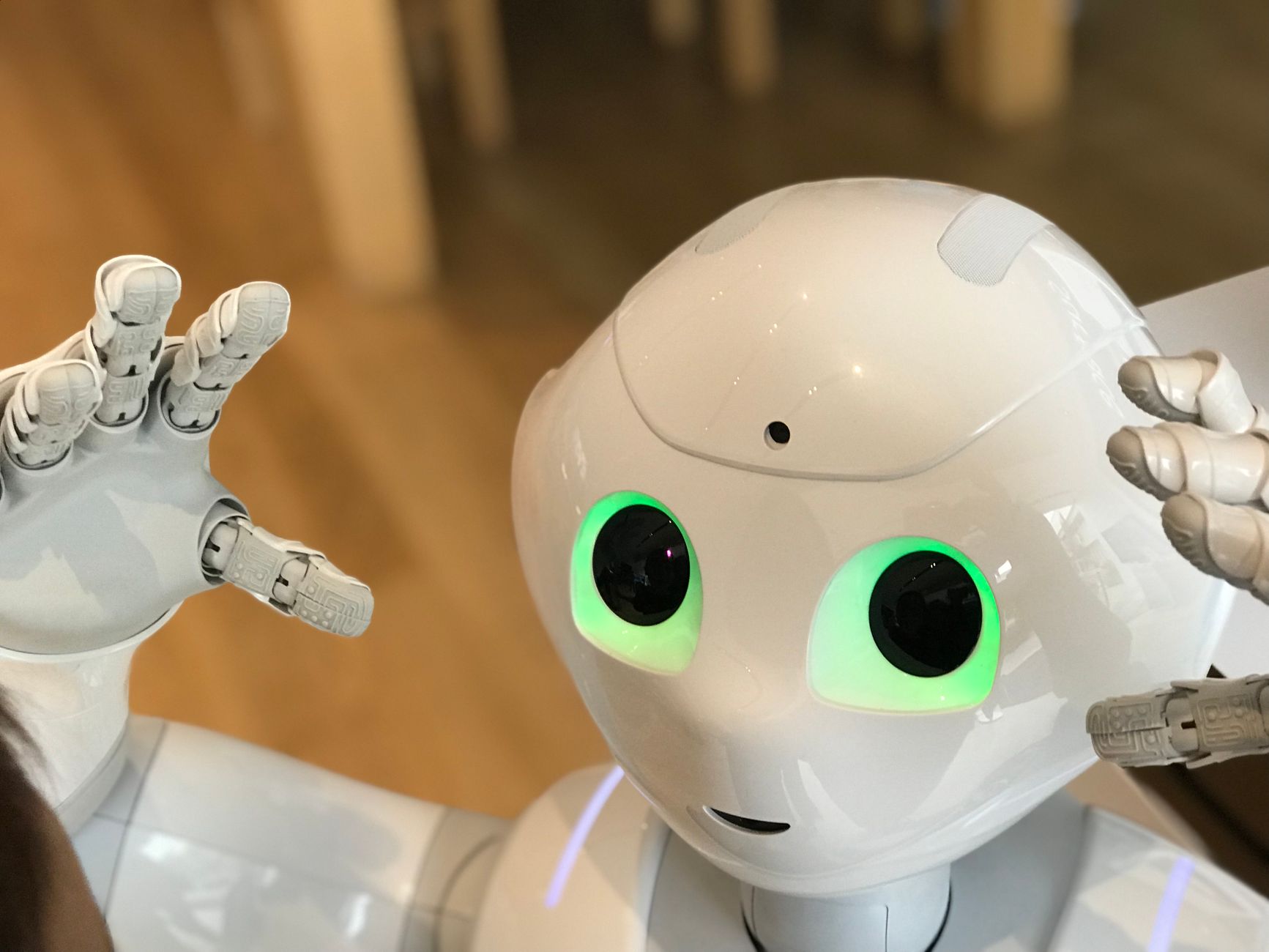

Physical AI systems are now entering consumer homes and daily routines not as futuristic concepts, but as functional tools that handle specific, repetitive tasks. Robotics technology integration transforms daily applications by automating tasks that previously required human attention—from cleaning floors and managing lawns to preparing meals and organizing homes. A homeowner using a robotic vacuum with machine learning algorithms learns about their home layout and adjusts cleaning patterns in real-time, while simultaneously reducing the cognitive load of remembering to schedule cleaning or worrying about missed spots.
The integration of physical AI into consumer applications differs fundamentally from software automation because it operates in uncontrolled physical environments. A robotic system must navigate obstacles, adapt to changing conditions, and interact with objects it has never encountered before. Unlike a software application running in controlled parameters, a consumer robot must handle the unpredictability of a household where furniture moves, pets appear, and environmental conditions shift daily. This physical presence requirement demands advances in computer vision, tactile sensing, and decision-making algorithms that can operate with incomplete information.
Table of Contents
- What Makes Physical AI Different from Traditional Automation in Consumer Spaces?
- The Integration Challenge—Where Robotics Meets Everyday Uncertainty
- Real-World Examples of Physical AI Transforming Daily Tasks
- Choosing Robot Integration—Practical Considerations for Consumer Adoption
- Maintenance Burdens and the Hidden Costs of Physical AI
- Data Privacy Implications of Connected Consumer Robots
- Integration with Smart Home Ecosystems and Future Expansion
- Frequently Asked Questions
What Makes Physical AI Different from Traditional Automation in Consumer Spaces?
Traditional automation relied on fixed sequences—a washing machine follows a preset cycle regardless of fabric type or soil level. Physical AI systems, by contrast, assess their environment and adjust behavior accordingly. When a robotic lawn mower encounters a slope steeper than its motors can handle, it recognizes the terrain change and reroutes. When a robotic arm in a kitchen encounters a handle in an unexpected position, it uses computer vision and force feedback to adapt its grip strategy rather than failing the task entirely.
This adaptability comes with real constraints that manufacturers must acknowledge. A robot cleaning your home cannot learn your individual preferences perfectly within a few weeks because homes are complex and variable. Weather patterns affect outdoor robots, aging affects task consistency, and mechanical wear creates unpredictability. A robot that performed excellently in controlled warehouse conditions may struggle with the chaos of a family home where toys scatter the floor, doors remain partially open, and lighting changes throughout the day.
The Integration Challenge—Where Robotics Meets Everyday Uncertainty
Physical AI integration requires solving problems that software engineers rarely encounter. A cloud-connected robotic vacuum must make decisions with latency considerations—waiting for server responses means losing precious operational seconds. The solution involves edge computing, where critical decisions happen on the robot itself, but this creates consistency challenges. One unit’s vacuum learns that the kitchen has hardwood floors; another unit’s vacuum in the same model might categorize them differently based on sensor variations and training data.
The safety implications of physical AI in homes demand constant vigilance from manufacturers. A robot moving through a space where children or elderly people may cross its path must have proven failsafe mechanisms. Unlike a software error that can crash an application, a robotic failure can cause physical injury. This reality pushes companies toward redundant sensors, mechanical brakes, and conservative movement speeds that sometimes make robots less efficient than humans performing the same task. A robotic floor scrubber might clean more slowly than a person because its safety margins prevent aggressive movement patterns.
Real-World Examples of Physical AI Transforming Daily Tasks
Robotic kitchen appliances demonstrate both the promise and limitations of current integration. A pizza-making robot can stretch dough, apply sauce, and place toppings with consistency that human workers find difficult. However, each pizza differs slightly—cheese thickness varies, sauce distribution changes—because the robot adapts to dough texture variations. In a commercial setting, this adaptation is valuable. In a consumer kitchen, the same robot would need space, maintenance, and troubleshooting skills beyond what most households accept for occasional pizza preparation.
Robotic litter boxes represent more successful consumer integration because the task is simpler and benefits from automation consistently. These systems rake litter, separate waste, and track your cat’s bathroom habits—data that veterinarians find clinically useful. Yet they still require regular maintenance, periodic complete cleanings humans cannot skip, and cost significantly more than traditional litter boxes. They also demand electrical access, produce noise, and occasionally jam when cats are heavier than average or use unusual elimination patterns. The value proposition works for specific households, not universally.
Choosing Robot Integration—Practical Considerations for Consumer Adoption
Evaluating whether a robotic solution benefits your household requires understanding both the task complexity and your tolerance for imperfection. Simple, repetitive tasks in controlled environments show the strongest return on investment. Robotic vacuums work well in homes with minimal clutter, regular floor types, and pets that don’t scatter toys constantly. The same robot fails in homes where residents leave items on floors, mix carpet and hard surfaces unpredictably, or have multiple pets that shed constantly.
The comparison between human work and robotic work often favors robots in frequency but not in quality. A robot can vacuum your home every day, keeping dust minimal through consistency rather than individual thoroughness. A human vacuuming weekly might do a more complete job. This distinction matters for your decision—you’re not replacing a thorough weekly clean, you’re supplementing with frequent maintenance. Understanding this tradeoff prevents disappointment when your robot cleans effectively within its limitations but doesn’t match human-quality results in challenging situations.
Maintenance Burdens and the Hidden Costs of Physical AI
Physical robots demand maintenance that software systems do not. Wheels clog with hair, sensors accumulate dust, and mechanical components wear out. A robotic system with a five-year lifespan requires cleaning schedules, occasional repairs, battery replacements, and firmware updates. Manufacturers sometimes discontinue support for older models, leaving robots with outdated navigation algorithms or safety patches. This creates a disposal problem—an old robot with functional mechanics but obsolete software becomes electronic waste.
The failure mode of physical AI also differs from software failures. When software crashes, you restart. When a robot fails physically, it may stop mid-task, damaging furniture or scattering debris. A robot stuck under a couch creates an immediate problem, not a background issue you fix when convenient. This visibility and consequence make consumers more anxious about robotic failures than software failures, even when the actual risk levels differ. Manufacturers address this through design redundancy and testing, but perfection remains impossible in uncontrolled environments.
Data Privacy Implications of Connected Consumer Robots
Robots that navigate your home create detailed maps of your space—maps that reveal layout, furniture arrangement, and room usage patterns. Connected robots transmit this data for navigation refinement, collision avoidance updates, and model improvement. Privacy-conscious users must evaluate whether the convenience of cloud-connected features justifies sharing spatial data. Some manufacturers allow local-only operation, storing maps on the device without cloud transmission, but this limits algorithm improvements and feature updates.
The data collected extends beyond maps. Activity logs show when you clean, which rooms receive attention, and usage patterns that might indicate when your home is occupied. Insurance companies and security firms view this data as valuable risk-assessment information, creating potential secondary uses beyond the robot’s primary function. Users rarely review the privacy policies that govern how their robotic data is used, where it’s stored, and whether it’s sold to third parties.
Integration with Smart Home Ecosystems and Future Expansion
Current consumer robots operate increasingly within larger smart home networks. A robot vacuum coordinates with smart lighting to improve visual navigation during nighttime cleaning. A robotic lawn mower receives weather data from home climate systems to optimize cutting schedules. This ecosystem integration creates efficiency gains but also increases complexity—a breakdown in one component can cascade through connected systems.
The ecosystem approach also creates vendor lock-in challenges. A vacuum optimized for Amazon Alexa might function poorly with Apple HomeKit or Google Home. Choosing a robot means implicitly choosing which smart home platform to support, which limits future flexibility. Consumers discovering that their preferred smart home system doesn’t integrate smoothly with their newly purchased robot face expensive replacement decisions or operate incompatible systems separately, defeating the ecosystem’s purpose.
Frequently Asked Questions
Can robotic systems truly learn my home, or do they just follow pre-programmed patterns?
Modern robots use real-time computer vision and sensor data to adapt to your specific home layout. However, this learning is task-specific and environmental—your vacuum learns floor types and obstacle locations, not your preferences or habits in the human sense. It doesn’t remember that you prefer certain rooms cleaned first; it optimizes based on efficiency algorithms.
What happens when my robot encounters something it was never trained on?
The robot either ignores it, attempts adaptation using general principles, or fails the task and stops. A vacuum encountering a new toy type might treat it as an obstacle and route around it, or might get caught if the toy’s material or shape falls outside the robot’s sensor range. This is why consumer robots work best in stable, predictable environments.
Is physical AI in my home a privacy concern?
Connected robots create detailed maps of your space and activity patterns. If these transmit to company servers for algorithm improvement, your spatial data becomes a privacy consideration. Local-only operation options exist but limit features. Review privacy policies before purchase to understand data handling practices.
How long do consumer robots typically function before requiring replacement?
Most consumer robots remain mechanically functional for five to seven years but become outdated sooner due to software limitations. Firmware updates eventually stop, safety patches cease, and newer algorithm versions become incompatible. This creates a replacement cycle shorter than mechanical lifespan, generating e-waste concerns.
Can I use the same robot in multiple locations, like a vacation home?
Yes, but the robot must learn the new layout from scratch. Robots don’t automatically transfer mapping data between locations. In practice, this means slower initial performance in the second location as the robot’s algorithms adapt to different floor types, furniture spacing, and obstacle patterns.