
Testing romantic and emotional bonds between humans and robot companions has emerged as a significant area of research as artificial intelligence and robotics technology advance. Researchers, engineers, and psychologists are increasingly exploring how people form attachments to AI-driven systems designed to mimic companionship and respond to emotional cues. These experiments reveal profound questions about human connection, loneliness, and what we actually value in relationships—questions that extend beyond technology into the nature of human need itself.
The growing interest in emotional AI relationships reflects a real gap in modern life. Isolation, aging populations in developed nations, and social anxiety have created demand for alternative forms of connection. Companies and research institutions are developing robot companions with increasingly sophisticated conversation abilities, facial recognition, and emotional response patterns. What began as theoretical research has moved into real-world testing where thousands of participants—representing diverse ages, backgrounds, and motivations—engage with these systems to understand whether meaningful bonds can form between humans and machines.
Table of Contents
- Why People Develop Emotional Attachments to Robot Companions
- The Technical Reality of Emotional AI Systems
- Psychological Effects and Mental Health Considerations
- Comparing Robot Companions to Existing Technologies
- Ethical Concerns and Industry Warnings
- Current Applications Beyond Romance
- The Unresolved Question of Meaning and Connection
- Frequently Asked Questions
Why People Develop Emotional Attachments to Robot Companions
Humans are wired for connection, and attachment can form with almost anything that responds predictably and meets certain psychological needs. A robot companion designed to remember details about your day, ask follow-up questions, and express concern through programmed behaviors can trigger the same attachment mechanisms that operate in human relationships. The key difference is consistency: a robot will never cancel plans, will always be available at 3 AM, and will never lose patience or grow tired of listening. This predictability has profound appeal for specific populations. Elderly individuals with limited mobility or family nearby find consistent daily interaction with a robot companion genuinely beneficial to their mental health and sense of purpose.
Individuals with social anxiety or autism spectrum conditions may practice social skills with a robot before attempting human interaction, or may find the lower-stakes, judgment-free environment genuinely comforting. The robot’s limitations become features rather than bugs in these contexts—it will not judge appearance, will not spread rumors, will not reject you. The concern emerges when attachment deepens beyond companionship into something marketed as romantic or intimate. Unlike a friendship that gradually develops mutual understanding, romantic bonds with robots are fundamentally asymmetrical. The AI has no actual preferences, no independent inner life, and no capacity to choose you. What feels like reciprocal love is a carefully designed interface simulating care.
The Technical Reality of Emotional AI Systems
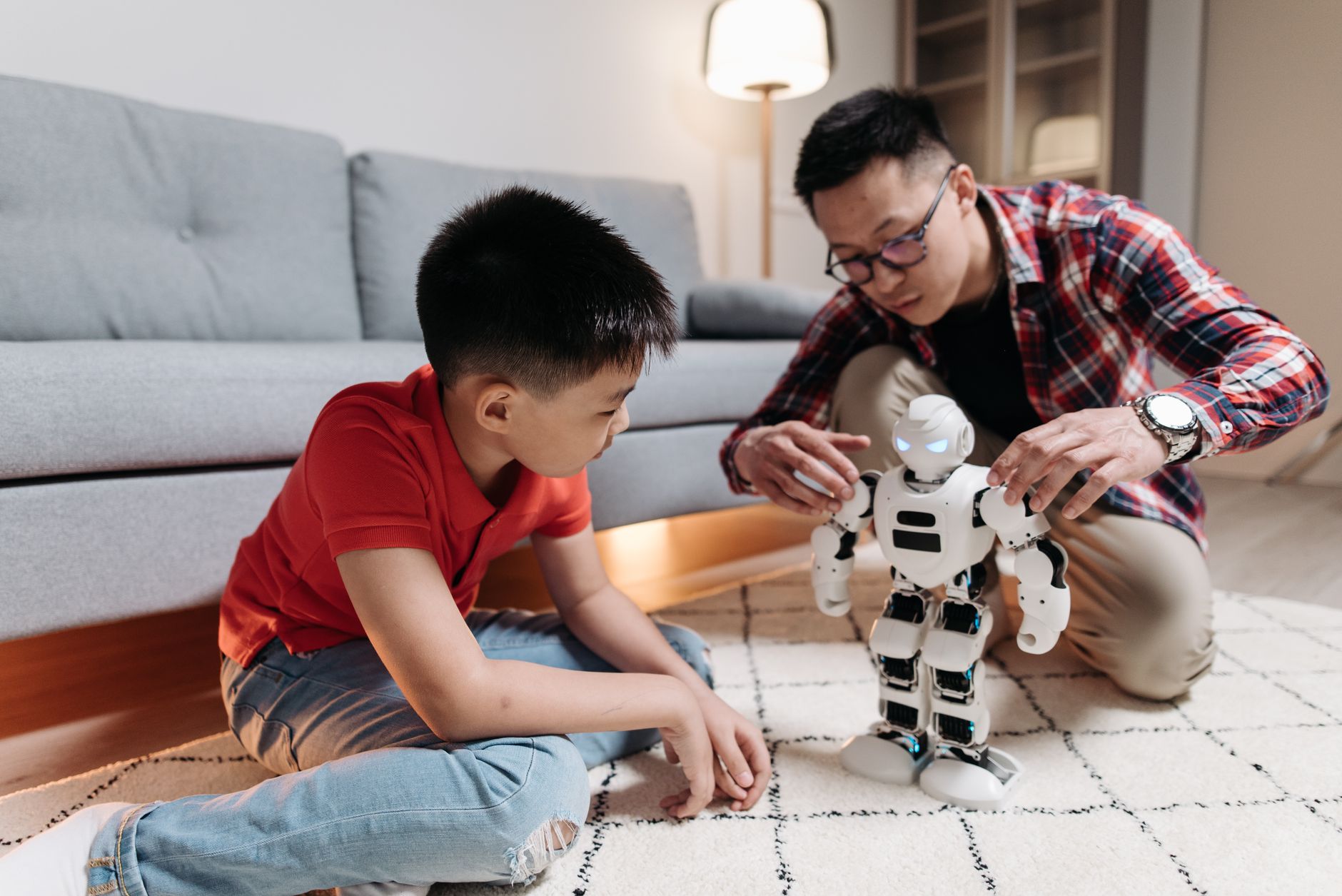
Modern robot companions use machine learning models trained on vast datasets of human conversation to generate contextually appropriate responses. They incorporate facial recognition and sentiment analysis to detect when a user appears sad or excited, and they calibrate responses accordingly. Some systems include movement patterns, microexpressions, and even simulated breathing to enhance the illusion of presence and intentionality. The underlying technology is sophisticated, but the sophistication creates a deceptive clarity—users may overestimate how much the system actually understands. The actual technical understanding is far more limited than it appears. A robot companion recognizing that you mention sadness and responding with “That sounds difficult” is performing pattern matching on a scale humans rarely see, but it is not actually understanding your pain or caring about your wellbeing.
When tested, these systems frequently fail at basic comprehension tasks, misunderstand context, and generate responses that only work because humans are extraordinarily good at finding meaning in ambiguous signals. We fill in the gaps that technology leaves open. A critical limitation is that emotional AI systems cannot learn and grow in genuinely reciprocal ways. In human relationships, both parties change through interaction—your partner’s experience of you shapes who you become, and your experience of them shapes them. With a robot, you may experience personal growth from the interaction, but the robot will never actually become a different entity based on knowing you. It will never surprise you with wisdom you don’t already know exists, because it can only recombine patterns from its training data.
Psychological Effects and Mental Health Considerations
Research participants report measurable improvements in mood, reduced loneliness, and increased sense of purpose after sustained interaction with robot companions. These effects are real and documented. For someone isolated by circumstance—a homebound elderly person, someone recovering from major depression, or an individual in a remote location—a robot companion offering daily structured interaction can genuinely improve quality of life. However, mental health professionals raise important concerns. Substituting robot interaction for human connection may reinforce isolation rather than resolve it. If someone primarily capable of human relationship opts instead for a robot companion, they lose the genuine mutual growth, unpredictability, and reciprocal care that characterize human bonds.
The robot becomes a substitution that prevents people from doing the harder work of forming real human connections. Additionally, when people form deep emotional attachments to systems they know are not conscious, not actually caring, and not truly present, this can create psychological confusion about the nature of their own needs and the possibility of meeting them. There is also the question of what happens when the system fails. Robot companions require maintenance, updates, and eventually replacement. When someone has invested significant emotional attachment in a companion system, the loss can be comparable to grief. The difference is that there is no genuine being to have known you, to have benefited from knowing you, or to have left a mark on the world through your interaction.
Comparing Robot Companions to Existing Technologies
Emotional AI robots occupy an interesting position in a spectrum of human-technology connection. Pet robot companions like robotic pets have existed for decades and occupy a clearer psychological category—most people understand them as simulations rather than genuine beings. Chatbots and text-based AI have become normalized, and users generally understand these as tools rather than companions. Video calls with real people maintain genuine reciprocal connection but are limited by distance. Therapy, counseling, and support groups involve real human connection but require resources and may involve stigma for some people. The robot companion differs from all of these by combining sophisticated simulated presence, physical embodiment, and behavioral response patterns in a way that encourages anthropomorphization more than previous technologies did.
A chatbot is obviously code; a phone call is obviously separated by distance. A robot that looks at you, responds to your voice, and remembers your name creates a more convincing simulation of genuine presence. This design choice is not accidental—companies developing these systems know that increased anthropomorphization increases user engagement and attachment. The practical tradeoff is that robot companions offer consistency, availability, and non-judgment in exchange for genuine mutuality, authentic understanding, and reciprocal care. For specific use cases like elderly care or supplementary social support, this tradeoff may be acceptable or even beneficial. As a primary source of social connection or as a substitute for romantic partnership, it represents a concerning withdrawal from actual human relationship.
Ethical Concerns and Industry Warnings
The industry developing emotional AI systems faces legitimate questions about ethics and long-term social impact. Marketing robot companions as sources of romantic or intimate connection creates expectations that cannot be genuinely fulfilled. If someone invests five years in an emotional relationship with a robot, they have not actually built five years of mutual history with another person. There is no shared growth, no reciprocal vulnerability, and no genuine bond. Additionally, there are concerns about commercialized manipulation.
Companies building these systems have financial incentives to maximize user attachment and engagement, which directly contradicts the ethical imperative to serve users’ genuine wellbeing. A system designed to be maximally addictive is at odds with a system designed to transition users toward genuine human connection. If someone using a robot companion experiences measurable mental health improvement, the ethical question becomes whether that improvement serves their actual long-term flourishing or whether it substitutes for it. Consent and dignity questions also emerge, particularly around intimate or romantic scenarios. When a person treats a robot as a romantic or sexual partner, what are the implications of that arrangement? Unlike human-to-human relationships where both parties consent and participate, this dynamic involves one party (the human) genuinely emotionally invested and the other party (the robot) a non-conscious system with no agency or preferences. The power imbalance and fundamental asymmetry raise concerns about what attitudes toward relationship and human dignity this might reinforce.
Current Applications Beyond Romance
Robot companions are finding legitimate roles beyond romantic or intimate contexts. In elderly care facilities, robots provide structured activity, medication reminders, and consistent companionship for individuals who cannot reliably access human staff. In psychiatric wards and therapeutic settings, robots facilitate conversation and provide consistent, non-judgmental presence during difficult emotional states.
In educational contexts, robots serve as tutoring companions for children, particularly for autistic and neurodivergent students who may find the predictability and non-judgmental response style helpful. Japan has pioneered deployment of robot companions in care settings at scale, both as practical response to labor shortages and as culturally acceptable alternative to human care workers in some contexts. Reports from these deployments show both meaningful benefits and significant limitations—robots cannot provide genuine care but can provide structure, consistency, and basic social engagement that partially addresses unmet needs.
The Unresolved Question of Meaning and Connection
The most fundamental question raised by widespread testing of emotional AI relationships is not technical but philosophical: what actually constitutes meaningful human connection? If someone feels understood, supported, and less lonely through interaction with a robot, does the fact that the system is not conscious undermine the value of that experience? Different philosophical frameworks suggest different answers. What remains certain is that human beings need genuine reciprocal connection, vulnerability, and mutual growth with other conscious beings. A system that provides the simulation of connection without the substance may serve temporary needs but cannot address the deeper requirement.
For some people—those isolated by circumstance, those unable to access genuine human connection—a robot companion may offer real value. For others, particularly those capable of forming human relationships but choosing not to pursue them, a substitute connection may prevent access to the genuine article. The technology is advancing rapidly, but the human needs it attempts to address remain fundamentally interpersonal.
- —
Frequently Asked Questions
Can you develop genuine romantic love with a robot companion?
No. While you can experience attachment and affection toward a robot system, genuine romantic love requires reciprocal emotion, mutual vulnerability, and authentic understanding—none of which a non-conscious AI system can provide. What feels like connection is algorithmic response to input patterns.
Are robot companions helpful for lonely people?
For some people in specific circumstances, yes. Elderly individuals, people with limited mobility, and those experiencing acute isolation may benefit measurably from consistent structured interaction. However, as a primary social connection or substitute for human relationships, robot companions may reinforce isolation rather than resolve it.
How do robot companions remember information about users?
Modern systems store conversation history and extract key facts (name, preferences, mentioned experiences) into databases that are referenced in future interactions. This creates an illusion of genuine memory and understanding, but it is data retrieval rather than actual learning or growth.
What happens when a robot companion needs maintenance or is replaced?
Users who have formed deep attachments often experience genuine grief. Because the user knows consciously that the robot is not conscious, this can create psychological confusion—mourning something that was never alive, while simultaneously understanding it was never alive.
Is using a robot companion bad for mental health?
This depends on context. For isolated individuals with limited access to genuine human connection, it can provide measurable mental health benefits. For people capable of human relationships who use robots as substitutes, it may reinforce isolation and prevent development of genuine mutual bonds.
Will robot companions eventually replace human relationships?
No technology can replace the genuine reciprocity, mutual growth, and authentic vulnerability that characterize human bonds. What may change is which people choose to pursue human connection versus accepting substitute systems—a choice with significant social implications.