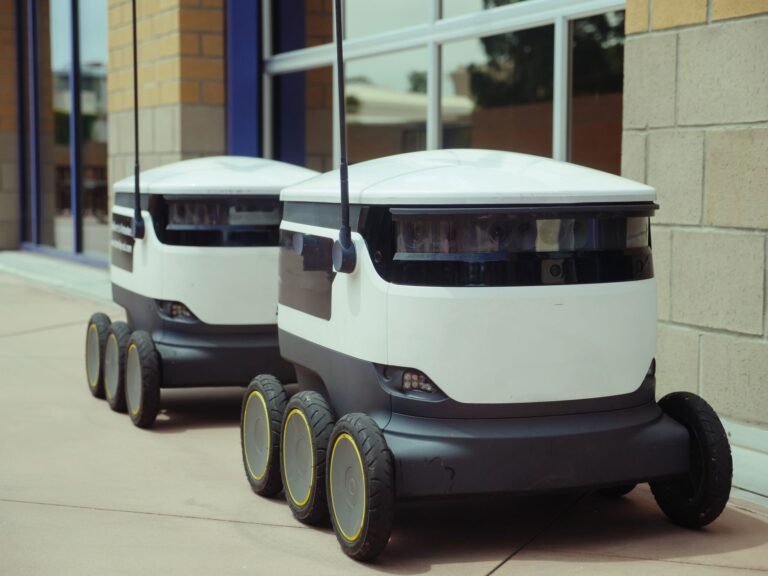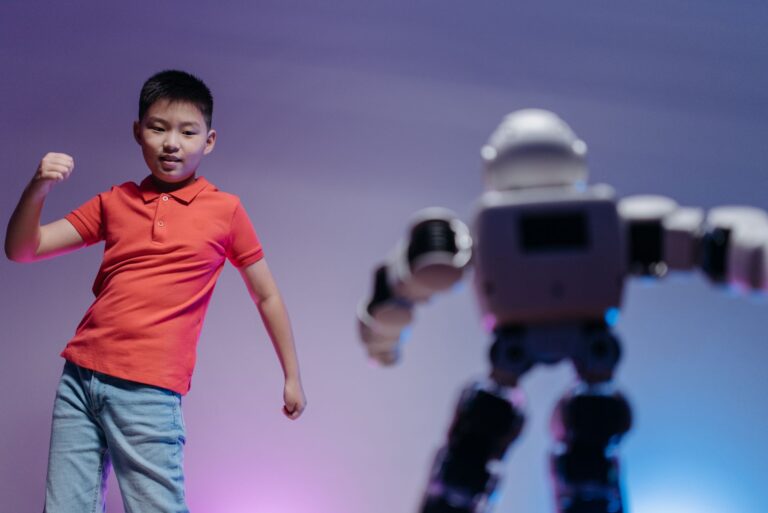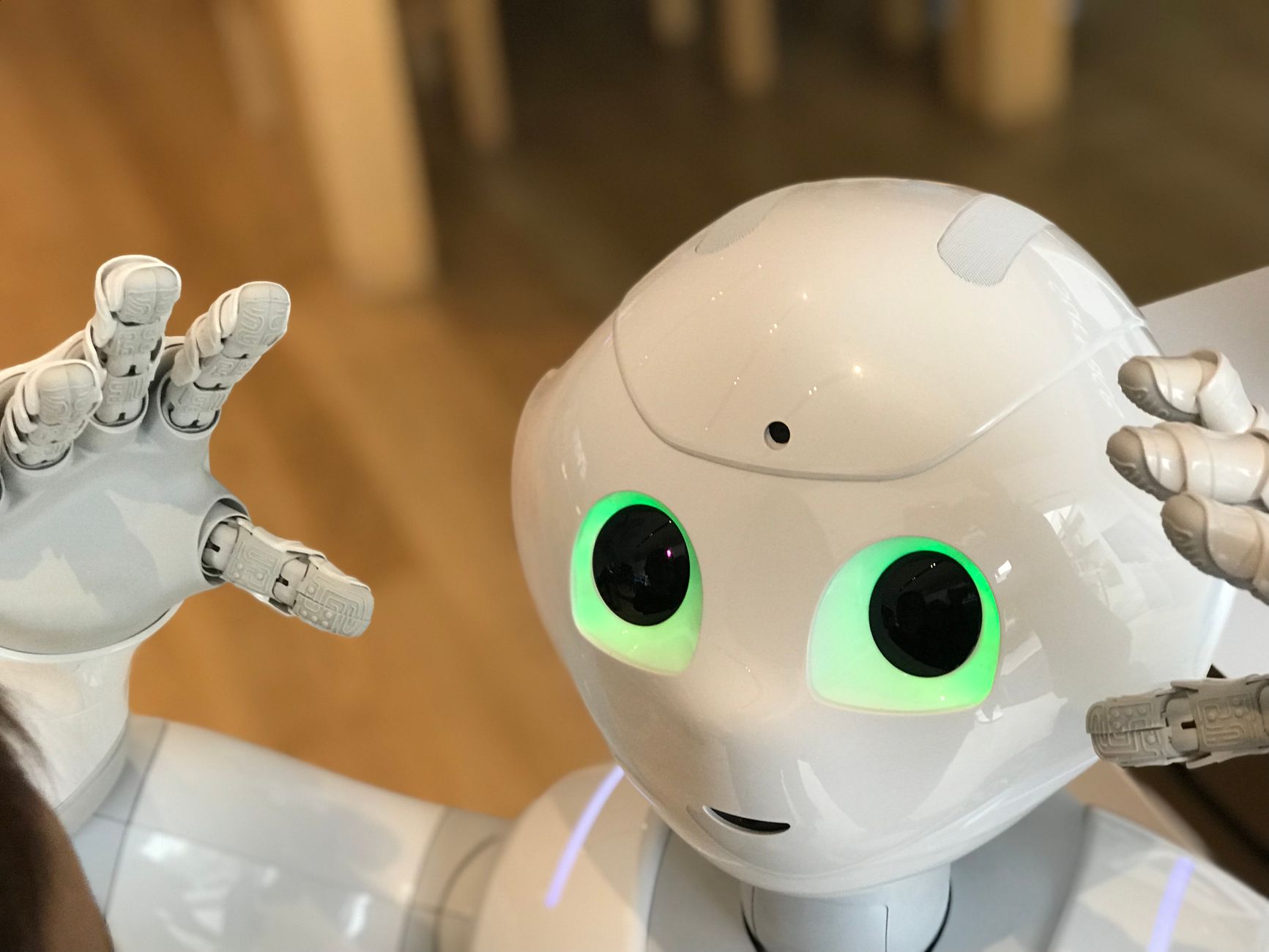

Robot leasing and rental services have fundamentally altered the economics of robotics adoption, making machines that cost hundreds of thousands of dollars accessible through affordable daily or hourly subscriptions. Rather than committing capital to purchase, businesses and organizations can now deploy robots for specific projects, test different models before buying, or maintain ongoing operations at a fraction of ownership costs. This shift has been particularly dramatic in China, where humanoid robot daily rental costs plummeted from 10,000–20,000 yuan in spring 2025 to just 1,796 yuan by March 2026, and robotic dogs became available for as little as 78 yuan per day.
The rental model addresses a critical barrier to robotics adoption: the steep initial investment and uncertainty about whether a particular machine will justify its cost. An organization can rent an industrial robot for specific manufacturing tasks at $18 per hour, deploy a premium specialized robot for targeted work at $1,000 per day, or license collaborative robots from established platforms like Universal Robots without buying equipment outright. This flexibility has triggered explosive market growth, with over 1,500 new robot rental companies registered in China during 2025 alone, and the overall robot rental market projected to expand from 1 billion yuan in 2025 to at least 10 billion yuan in 2026.
Table of Contents
- Why Are Robot Rental Prices Falling So Rapidly?
- Comparing Ownership Costs Against Rental Expenses
- Industrial and Commercial Robotics Applications in the Rental Era
- Personal and Small Business Robotics Applications Through Rentals
- Maintenance, Risk Transfer, and Hidden Costs in Robot Rentals
- Rental Platforms and Distribution Infrastructure
- Barriers to Broader Adoption and Realistic Constraints
Why Are Robot Rental Prices Falling So Rapidly?
The dramatic cost reductions in robot rentals over the past year stem directly from a surge in manufacturing capacity and competition. Approximately 18,000 humanoid robots shipped globally in 2025, representing a 508 percent year-on-year increase. China accounted for 14,400 units, or 84.7 percent of the global total, creating a robust supply base that supports a thriving rental economy. When manufacturing volume increases sharply, unit costs decline, spare parts become more readily available, and service networks expand—all of which reduce the operational overhead of rental companies and allow them to lower daily rates. This supply-driven cost reduction mirrors patterns seen in other industries that moved from scarcity to scale.
When commercial drone rentals first emerged, daily rates were prohibitively high; as drone manufacturing scaled, rental costs dropped and businesses could justify short-term deployments for inspections or mapping. The humanoid robot market is following a similar trajectory. The 48.1 percent year-on-year increase in new robot rental companies registered in China during 2025 shows that entrepreneurs recognize the opportunity, and competition among rental providers is already pushing prices down faster than would occur in a mature, consolidated market. However, this pace of price decline may not continue indefinitely. As the market consolidates and manufacturing growth moderates, rental rates will stabilize at levels determined by maintenance costs, insurance, and profit margins rather than by rapid supply expansion.
Comparing Ownership Costs Against Rental Expenses
The financial case for renting becomes clear when comparing purchase prices against rental costs over time. A typical industrial robot might cost $50,000 to $150,000 upfront, plus installation, programming, and integration costs that can easily double that figure. Adding maintenance contracts, replacement parts, software licenses, and eventual decommissioning can bring lifetime costs to $200,000 or higher. A business that rents the same robot at $18 per hour pays approximately $144 per eight-hour workday, or roughly $36,000 per year for 250 working days. Over three to four years, the cumulative rental cost approaches but does not exceed the full ownership cost, yet the renting organization avoids capital expenditure, maintains operational flexibility, and transfers maintenance risk to the rental provider.
For seasonal or project-based work, the advantage is even more pronounced. Construction companies deploying robots for site inspection during a three-month project, or manufacturers testing a new production concept over six months, can justify rental costs that would be irrational if amortized across a decade of ownership. Conversely, organizations running robots continuously at high utilization rates may still find ownership more economical—the crossover point depends on the specific machine, local labor costs, and the organization’s financial position. A significant limitation often overlooked in rental cost calculations is customization and integration. Rental robots typically arrive configured for general-purpose work; adapting them to an organization’s specific processes, connecting them to legacy systems, or integrating them into complex workflows can require substantial engineering effort and extended downtime, costs that may not be reflected in the base rental fee.
Industrial and Commercial Robotics Applications in the Rental Era
Manufacturing and logistics companies have become early adopters of robot rental services, using them to respond flexibly to demand fluctuations and to pilot automation before committing to permanent installations. A factory facing a temporary surge in orders can rent additional robotic arms for assembly or material handling without expanding fixed capital investments or workforce, reducing labor costs during the peak season while avoiding layoffs when demand normalizes. Similarly, warehouses testing a new automated sorting system can rent robots for a two-month trial, evaluate whether the technology integrates well with existing operations, and then either purchase permanently or return the equipment. The Qingtianzu robot rental platform, launched in Shanghai in December 2025, exemplifies the infrastructure emerging to support these applications. Within just three weeks of its January 2026 launch, the platform accumulated over 200,000 users, indicating strong demand from businesses seeking flexible access to robots.
Such platforms streamline matching between renters and users, handle logistics, manage insurance and liability, and provide technical support—functions that would be impractical for individual businesses to manage independently. A critical real-world consideration is vendor lock-in and platform dependence. As businesses become accustomed to renting from a particular platform or provider, switching costs increase. If a provider raises prices or reduces service quality, users cannot simply migrate their workflows overnight; they face disruption similar to what would occur if switching enterprise software systems. Organizations leasing robots should negotiate multi-year pricing guarantees or maintain relationships with competing providers.
Personal and Small Business Robotics Applications Through Rentals
Robotics rental services are no longer confined to large manufacturing or logistics operations. Small business owners, researchers, educators, and hobbyists can now access robots through rental programs, democratizing access to technology that was previously affordable only to well-capitalized institutions. A small cleaning company might rent robotic vacuum systems for corporate clients during high-demand seasons, or a real estate firm could rent inspection robots for property walkthroughs rather than hiring specialized inspectors for each site. Educational institutions represent another growing segment. Universities and technical schools can rent state-of-the-art robots for classroom demonstrations, research projects, or competitions without bearing the full burden of ownership, maintenance, and eventual replacement when technology advances.
This model reduces barriers to robotics education and allows institutions to keep pace with technology evolution more cost-effectively than purchasing equipment outright. Students gain hands-on experience with current technology rather than training on outdated or underfunded equipment. A limitation for small businesses is the lack of customization support and training services that large rental operations often receive. Rental terms designed for industrial facilities may not accommodate the unique operational patterns of a small business, and technical support may prioritize high-volume commercial customers. Small operators need to carefully evaluate whether the support and flexibility included in a rental contract align with their actual needs.
Maintenance, Risk Transfer, and Hidden Costs in Robot Rentals
One of the primary financial advantages of renting robots is the transfer of maintenance and repair risk to the rental provider. When a rented robot malfunctions, the responsibility for diagnosis, repair, parts replacement, and downtime management falls to the rental company, not the customer. This shifts a category of operational uncertainty from the renter to the provider, potentially reducing the total cost of robot operations. However, this advantage exists only when rental contracts clearly specify maintenance obligations and response time guarantees. Rental contracts vary significantly in their terms, and renter organizations must read these agreements carefully to understand which costs are included and which fall to them.
Some contracts include preventive maintenance, regular inspections, and emergency repairs, while others charge for service calls, replacement parts, or downtime recovery. A robot experiencing frequent failures during a rental period might accumulate substantial service charges, especially if the contract distinguishes between maintenance (covered) and repairs (extra cost), or if emergency repairs outside normal business hours incur premium fees. Additionally, damage caused by operator negligence or misuse may void coverage or trigger substantial penalty fees. Insurance and liability present another layer of complexity. Who bears responsibility if a rented robot causes injury, property damage, or financial loss? Standard commercial liability insurance may or may not cover rented equipment depending on policy wording. Organizations renting robots should ensure that liability insurance explicitly covers the rented equipment and understand the indemnification terms in the rental contract to avoid unexpected exposure.
Rental Platforms and Distribution Infrastructure
The emergence of centralized robot rental platforms like Qingtianzu represents a structural shift in how robotics services will be distributed. Rather than organizations negotiating directly with individual manufacturers or dealers, platforms aggregate inventory from multiple sources, manage logistics, handle payments and insurance, and provide user ratings and reviews—creating a marketplace that reduces transaction friction and information asymmetry. These platforms benefit users by offering choice, competitive pricing, and aggregated support services.
They benefit providers by expanding the addressable market and reducing sales and marketing costs per transaction. However, platforms also concentrate power and data in a single intermediary, which can raise concerns about pricing control, data privacy, and dependency on a third party’s operational continuity. If a major rental platform experiences financial difficulties or operational failures, users with active rental agreements face potential disruption of critical business operations.
Barriers to Broader Adoption and Realistic Constraints
Despite the economic advantages of robot rentals, significant barriers limit adoption beyond early-adopter segments. Many organizations lack familiarity with robotics technology and uncertainty about how to integrate robots into existing workflows, which increases perceived risk even if financial risk is reduced through the rental model. Additionally, robots optimized for rental often emphasize ease of deployment and broad applicability over specialization for particular industries or tasks, which may not match the specific needs of potential customers.
Integration complexity remains a persistent challenge. A rented robot is not a plug-and-play device; connecting it to manufacturing systems, developing control software, training staff, and debugging workflows during initial deployment require specialized expertise that many organizations lack or must hire at substantial cost. The rental cost itself—whether $18 per hour or $1,000 per day—may represent only 20 to 40 percent of the true cost to implement and operate the robot productively. Organizations evaluating rentals must account for integration labor, staff training, and temporary productivity losses during deployment, not just the equipment rental fee itself.
- —