
The robotics industry is experiencing unprecedented capital investment, with billions of dollars flowing into companies developing artificial intelligence systems for autonomous machines. This surge reflects investor confidence in robot intelligence as a transformative technology capable of reshaping manufacturing, logistics, healthcare, and other sectors. Boston Dynamics, for example, has transitioned from research curiosity to commercial deployment with AI-powered robotic systems designed for warehouse and factory automation, exemplifying how investor funding translates into practical, revenue-generating applications.
The scale of investment in robot intelligence suggests the market has moved beyond speculative phase into serious commercialization. Venture capital firms, established technology companies, and specialized robotics funds are competing for stakes in the next generation of autonomous systems. This competition reflects genuine belief that robotic systems capable of learning and adapting through artificial intelligence represent a fundamental shift in how physical work gets done.
Table of Contents
- What Is Driving the Investment Surge in Robot Intelligence?
- The Spectrum of Robot Intelligence Technologies Under Development
- Real-World Applications Shaping Investment Priorities
- Capital Requirements and Investment Models
- The Integration Challenge and Market Risk
- Geographic Investment Patterns and Industrial Ecosystems
- Artificial Intelligence as the Central Driver
What Is Driving the Investment Surge in Robot Intelligence?
robot intelligence development attracts funding because the economic case is compelling. Labor shortages in manufacturing and logistics create urgent demand for automation solutions that can operate with minimal human supervision. Unlike earlier generations of robots constrained to repetitive, pre-programmed tasks, AI-powered systems can adapt to variable environments and handle complex decision-making—capabilities that manufacturers desperately need.
The convergence of several technological advances has made this moment possible. Improvements in deep learning, computer vision, and sensor technology have lowered barriers to building practical autonomous systems. Companies can now develop robots that perceive their environment, navigate unpredictable spaces, and interact with objects of varying shapes and sizes. This represents genuine capability growth, not merely incremental improvement, which justifies investor interest at the scale we’re seeing.
The Spectrum of Robot Intelligence Technologies Under Development
Robot intelligence funding encompasses diverse technical approaches and application domains. Some investment targets humanoid robots intended for general-purpose manipulation in unstructured environments. Others focus on specialized systems: autonomous mobile robots for warehouse management, surgical robots augmented with AI decision-making, inspection drones capable of analyzing visual data in real time, and collaborative robots designed to work safely alongside humans. This diversity creates risk—not all approaches will succeed—but also increases the probability that at least some applications will generate substantial returns.
A critical limitation worth understanding is that most deployed robot intelligence systems today remain narrower in capability than marketing materials suggest. A warehouse robot that excels at moving pallets may struggle with unexpected obstacles or novel scenarios. Systems trained on particular manufacturing environments often fail when transferred to different factories with different lighting, floor conditions, or object types. This limitation means the $18.8 billion in funding buys research and development toward more general capabilities, not immediate deployment of versatile autonomous workers. The gap between promising research and production-ready systems remains substantial.
Real-World Applications Shaping Investment Priorities
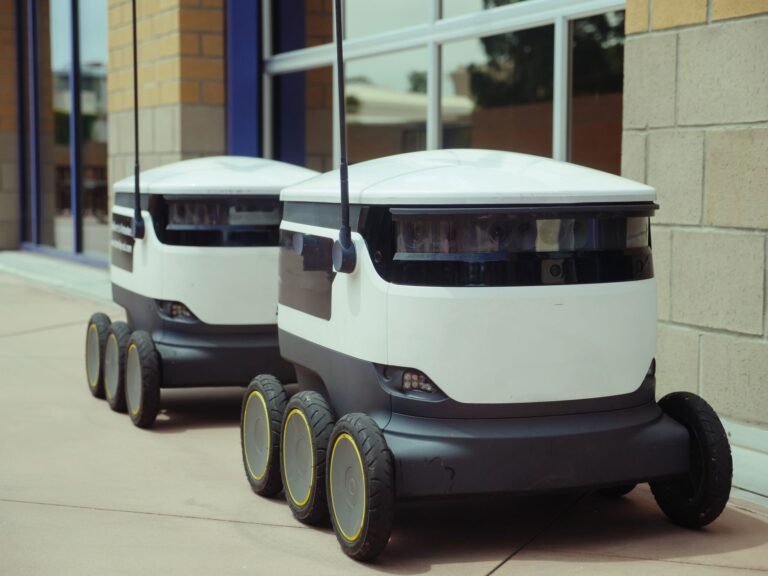
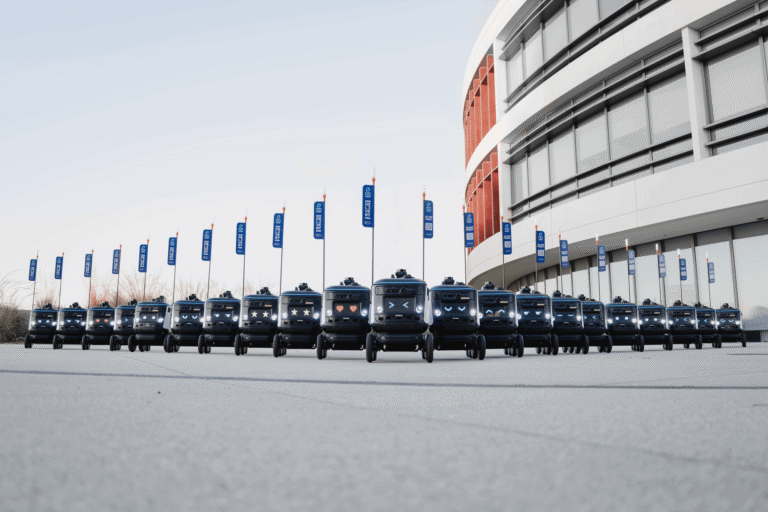
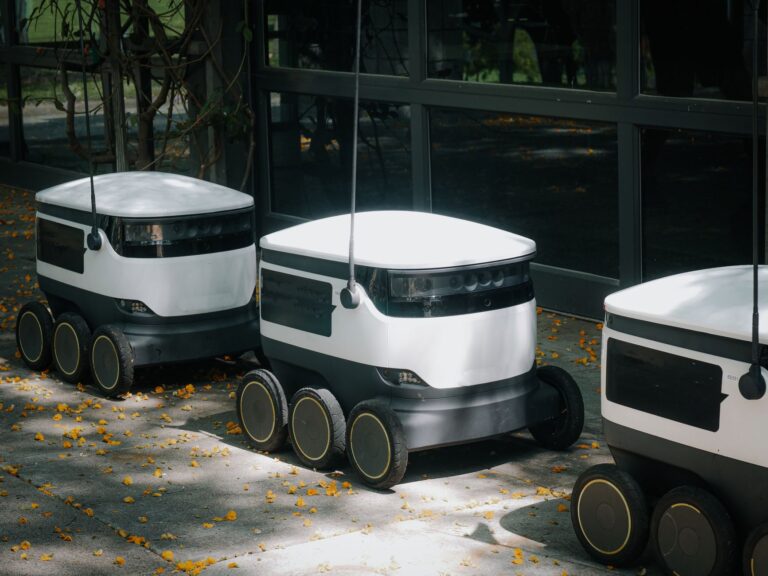
Healthcare represents one sector driving serious investment in robot intelligence. Surgical robots enhanced with AI can provide consistent precision and assist surgeons with real-time data analysis during procedures. Delivery robots are being deployed in limited geographic areas to transport packages on sidewalks and in controlled environments.
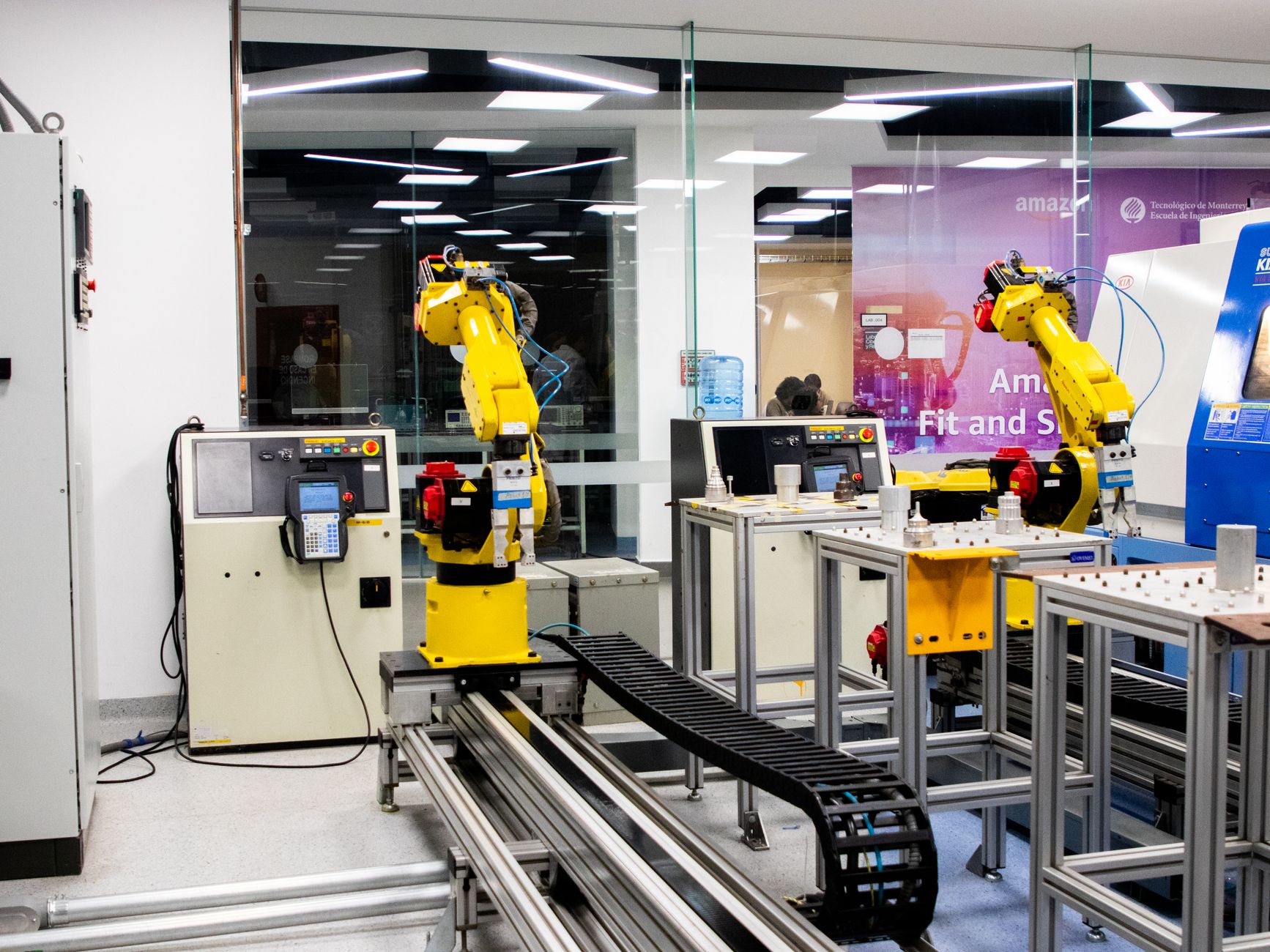
Autonomous mobile manipulators—robots that combine mobility with arm-based manipulation—are being tested in warehouses and fulfillment centers where they handle tasks like bin picking and material handling that previously required human workers. Manufacturing remains the primary focus of robot intelligence investment, particularly in industries with high labor costs and safety concerns. Japanese and German manufacturers have led adoption of robots for decades; now AI-powered systems are enabling new applications in automotive production, electronics assembly, and heavy equipment manufacturing. The economic pressure is real: a factory worker performing repetitive tasks represents ongoing labor cost, while a robot requires capital investment but no ongoing wages or benefits.
Capital Requirements and Investment Models
The funding flowing into robot intelligence reflects the reality that building practical autonomous systems requires substantial resources. Hardware development, software engineering, data collection and annotation, and field testing all consume capital before revenue appears. Early-stage robotics companies often require $20-50 million or more to reach the point where they can sell commercially viable systems. This explains why the investment is concentrated among well-funded startups, established industrial automation companies, and large technology firms with capital to sustain long development cycles.
The comparison with traditional venture capital is instructive. Most software startups can reach profitability with lower capital requirements because software scales without physical constraints. Robot intelligence combines software development costs with the expense of building physical hardware, iterating on mechanical designs, and establishing manufacturing capabilities. This creates a structural barrier that only well-capitalized companies can overcome, which concentrates investment among firms with track records or backing from major institutional investors.
The Integration Challenge and Market Risk
A significant limitation in robot intelligence development is the integration problem. Building the AI system is one challenge; integrating it with reliable hardware, sensors, power systems, and communications that function reliably in real production environments is another. A research breakthrough in computer vision means nothing if the underlying robot platform lacks sufficient dexterity or power to execute the vision system’s decisions. This integration complexity is why well-established industrial automation companies with existing customer relationships and hardware platforms sometimes outcompete pure-play AI robotics startups.
Market risk is substantial. Investment assumes that customers will adopt these systems at scale, but adoption decisions depend on factors beyond pure technological capability. Regulatory uncertainty around autonomous systems, reluctance to change established workflows, and difficulty demonstrating return on investment all constrain growth. A technology that works brilliantly in a research setting or controlled pilot may face years of additional development before commercial deployment becomes viable.
Geographic Investment Patterns and Industrial Ecosystems
Investment in robot intelligence is not geographically uniform. China, the United States, and Europe account for the largest share of funding, reflecting manufacturing bases in these regions and the presence of technology capital. China’s focus on manufacturing automation and e-commerce logistics has created strong demand for robot intelligence applications. The United States concentrates on foundational research and specialized applications.
Europe balances manufacturing automation with regulatory emphasis on safety and human-robot collaboration. Regional differences in labor costs, regulatory environments, and manufacturing structure shape which applications attract investment. In regions with high labor costs, the economics favor automation earlier in the product lifecycle. Where regulations emphasize worker safety and human dignity, investment focuses on collaborative systems designed to augment rather than replace workers.
Artificial Intelligence as the Central Driver
The $18.8 billion in robot intelligence funding is fundamentally AI funding. What distinguishes modern robot development from earlier decades of industrial automation is the ability of machines to learn from experience, adapt to novel situations, and make decisions with limited explicit programming. This requires advances in machine learning, reinforcement learning for robotics, natural language processing for human-robot interaction, and computer vision systems trained on vast datasets. The challenge is that these AI capabilities remain brittle in real-world deployment.
A vision system trained on millions of labeled images may fail on images with unusual lighting conditions or objects it was not trained on. Reinforcement learning approaches that work in simulation often struggle when transferred to physical robots where small friction differences, sensor noise, and environmental variability create consequences the simulation did not capture. This gap between research success and practical deployment is why robotics development requires years of iterative work, not just algorithm breakthroughs. The funding fueling this industry is ultimately an investment in closing that gap through sustained engineering effort.
- —