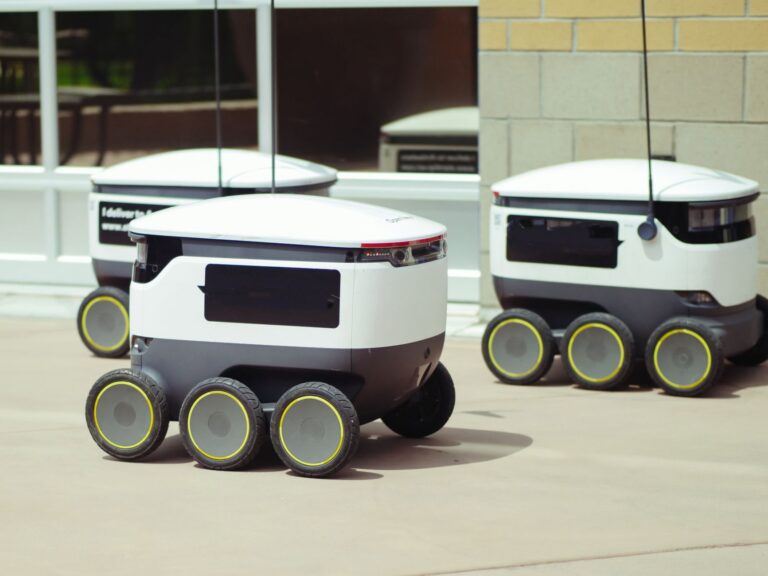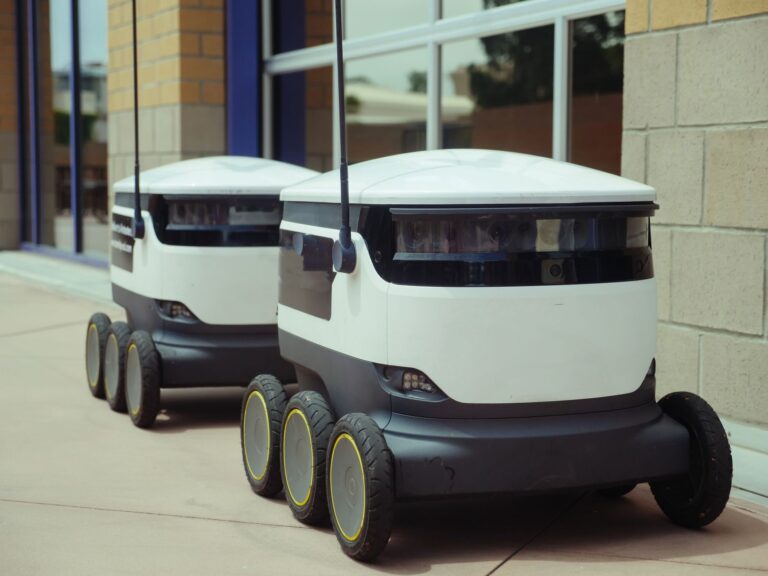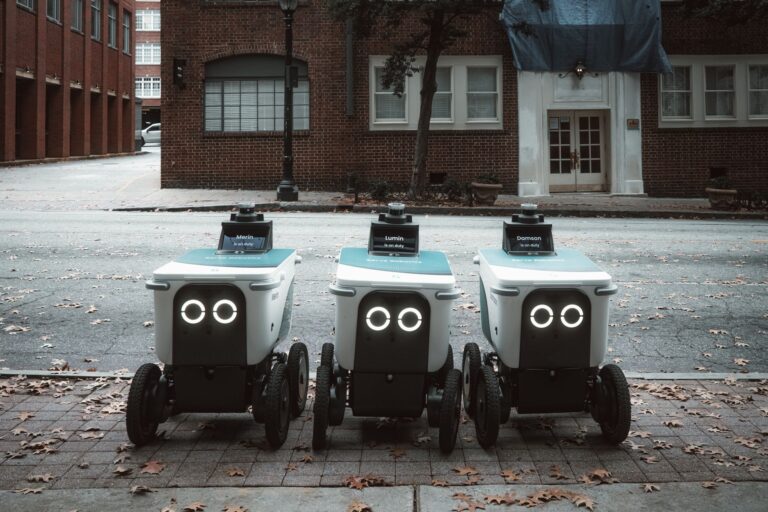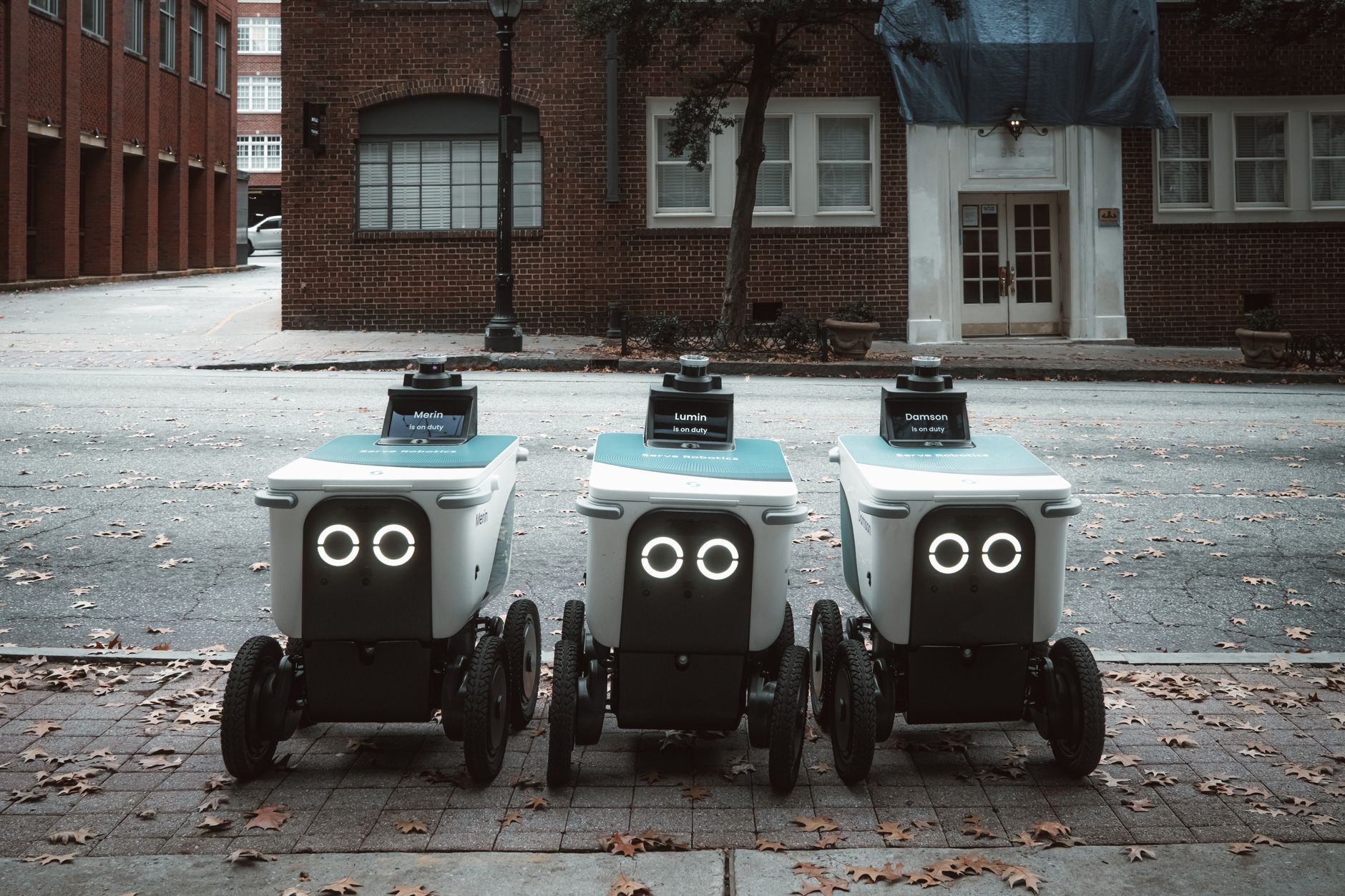

Mobile robots in 2026 are industrial machines that move goods without a driver. They most affect warehouse, logistics and manufacturing teams, where evidence supports growth and action starts with a full safety review. A mobile robot carries loads across floors, between stations or to pickers. Industrial types split into guided vehicles and autonomous robots with different navigation and jobs.
Table of Contents
- AGVs versus AMRs
- Who is affected day to day
- Key evidence from 2026
- What safety rules apply
- What to do before scaling a pilot
AGVs versus AMRs
Industrial mobile robots divide into AGVs and AMRs. AGVs follow fixed guides such as magnetic tape, wires or markers. AMRs use lidar, vision and AI planning to navigate around people and obstacles. That difference shapes where each fits.
Fixed routes suit repeat pallet runs with stable paths. Dynamic navigation suits busy sites with changing layouts, mixed traffic and frequent stops. According to the 2026 MDPI methodological survey, AMRs plan paths dynamically rather than following fixed guides. Managers should map fixed versus variable travel before choosing a type.
Who is affected day to day
Warehouse, logistics and manufacturing workers feel the change first. Technavio's AMR forecast describes AMRs taking horizontal transport, picking support and pallet movement. People shift toward exceptions, supervision and maintenance amid labor shortages. The shift is practical, not abstract.
A picker may stay in a zone while robots bring tasks. A forklift operator may handle odd loads while robots run standard moves. Maintenance and supervision gain importance. Teams need staff who can clear faults, manage traffic rules and keep goods flowing.
Key evidence from 2026
Market demand remains strong. Valuespectrum, reported via GlobeNewswire on Sept. 24, 2026, estimates the global AMR market at about USD 2.75 billion in 2026 and projects USD 7.07 billion by 2032 at roughly 14.4% CAGR, described in the market forecast release. Deployment scale is also visible.
Locus Robotics reported over 7 billion robot-assisted warehouse picks by March 2026 and launched Locus Array, a mobile base with picking arm and AI perception, with early deployment at DHL Supply Chain, according to the company announcement. The lesson is narrow. High pick counts prove repeat warehouse tasks can scale. They do not prove every site, load or aisle will get the same result.
What safety rules apply
Safety certification centers on ISO 3691-4. ANSI's blog explains that ISO 3691-4:2023 sets safety requirements and verification for driverless industrial trucks and systems, explicitly including AGVs and AMRs, detailed in the ANSI standard explainer. In the United States, there is an important limit.
The University of Georgia CAES Field Report, citing OSHA, notes there are currently no specific OSHA standards for robotics. Enforcement relies on general machinery, guarding, electrical and lockout/tagout rules plus industry standards. Buyers should ask vendors how the system meets ISO 3691-4. Then they should confirm site controls for pedestrians, crossings, charging areas and emergency stops.
What to do before scaling a pilot
Start with a whole-system risk assessment. The UK 3PL automation playbook recommends covering robot, load, route and pedestrian interfaces before scaling pilots.
Useful checks include: Run a limited pilot on one workflow first. Expand only after safety, uptime and labor effects meet written targets.
- Review floor quality, slopes, gaps and dust that affect traction and sensing
- Confirm load size, weight, stability and handoff points
- Define routes, pedestrian zones, crossings and speed limits
- Connect the warehouse management system and train staff on faults and stops