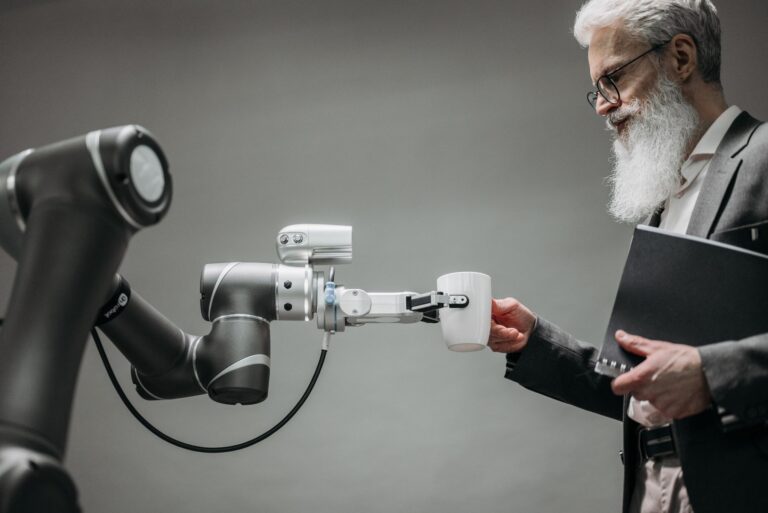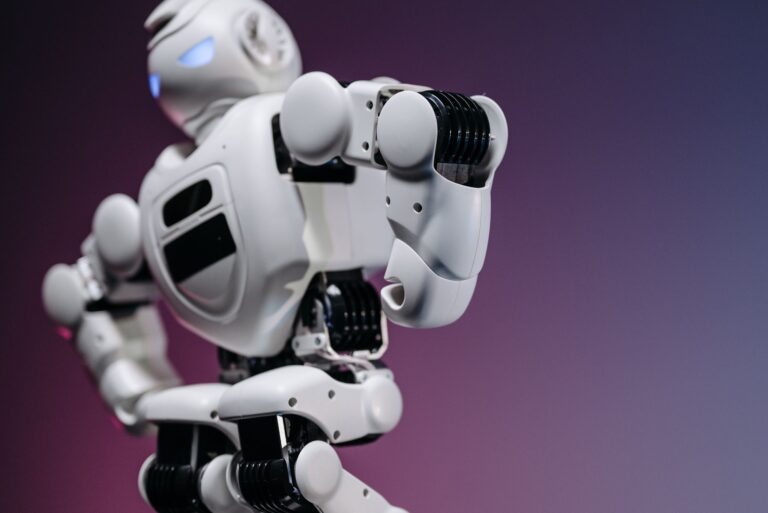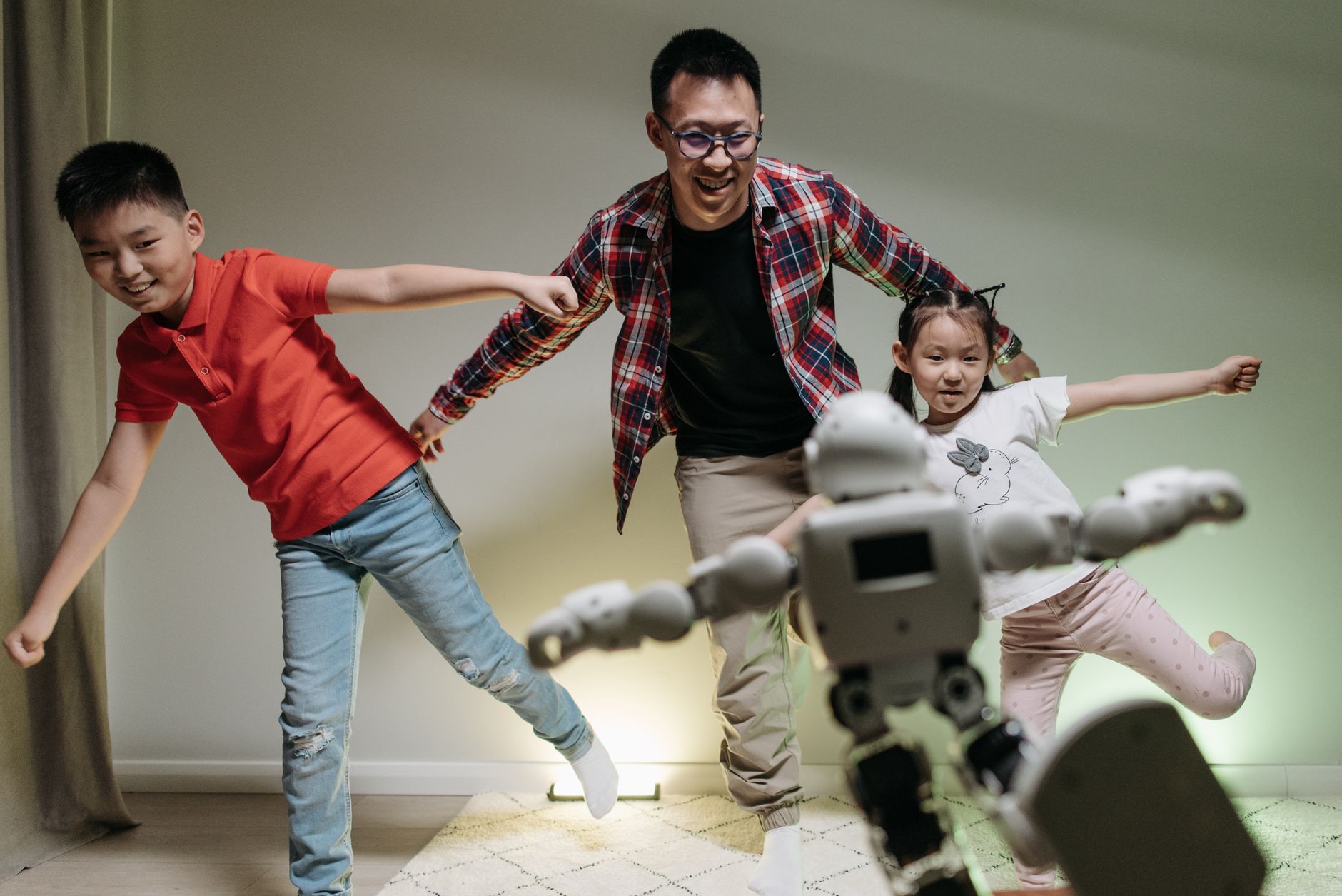

People trust robots more after a demonstration because watching the task removes guesswork about capability and risk. A live run shows limits, safeguards, and recovery in a way descriptions cannot. Trust here means willingness to rely on the machine for a real job. That willingness often grows after viewers see steady motion, clear stops, and predictable responses to people and obstacles.
Table of Contents
- What does a demonstration show that words cannot?
- Why does uncertainty shape trust so strongly?
- How do viewers judge competence during a demo?
- When does demonstration trust go too far?
- How can you test a demo before relying on it?
- Frequently Asked Questions
What does a demonstration show that words cannot?
A specification lists speed, payload, and sensors. A demonstration turns those numbers into behavior a viewer can follow. The viewer sees how the robot starts, pauses, avoids a worker, and finishes a cycle. That sequence answers practical questions.
How close does it come to people? How does it handle a blocked path? What happens when an operator presses stop? Clear answers lower imagined danger. Demonstrations also show human roles. Viewers notice setup, supervision, and maintenance. The robot looks less like an independent agent and more like a tool with defined duties.
Why does uncertainty shape trust so strongly?
Most people meet a new robot with broad uncertainty. They may overestimate its intelligence, underestimate its safeguards, or picture dramatic failures. Uncertainty makes reliance feel risky. Seeing repeated performance narrows that range.
A pallet mover that slows for pedestrians, signals turns, and docks cleanly looks manageable. Familiar motion replaces vague worry with specific expectations. Interaction helps further. When viewers ask questions, suggest a variation, or watch recovery from a small error, they learn the boundaries. Known boundaries feel safer than unknown potential.
How do viewers judge competence during a demo?
Viewers look for smooth, repeatable work. Consistent picking, welding, cleaning, or delivery suggests the system understands its task. Hesitation, jerky motion, or frequent human rescue sends the opposite signal. They also watch safety behavior.
Slowdowns near people, clear warnings, enclosed pinch points, and quick stops matter. A machine that protects people earns permission to work near them. Explanations during the run aid judgment. A narrator who names what the robot senses, why it paused, and what it will do next gives viewers a mental model. A usable mental model supports steadier trust than surprise success alone.
When does demonstration trust go too far?
A polished demo can hide normal difficulties. Flat floors, good lighting, simple parts, and trained operators favor success. A warehouse, hospital corridor, or home adds clutter, glare, noise, and rushed bystanders. Viewers may also generalize from one task to many.
A robot that stacks boxes well may still struggle with loose bags, wet floors, or crowded aisles. Competence in one setting does not prove competence everywhere. Overtrust shows in reduced checking. People may stand closer, skip guards, or leave fragile work unattended. Keep the lesson narrow: the demo proves that task, under those conditions, with that supervision.
How can you test a demo before relying on it?
Ask for the ordinary version, not only the highlight reel. Useful checks include: Watch what the vendor does when something fails.
Quick diagnosis, clear logs, and safe recovery indicate a mature system. Evasion, blame on the room, or refusal to repeat the run deserve caution.
- Run the task several times without resets or coaching.
- Change layout, lighting, or part position slightly.
- Introduce a pedestrian, obstacle, or delayed input.
- Request an emergency stop and a restart.
- Ask who supervises, inspects, and maintains the system.
Frequently Asked Questions
Does touching or operating the robot increase trust more than watching?
Often it does, because hands-on control teaches response time, weight, stopping distance, and interface clarity. Start with supervised, low-speed tasks and keep safety controls within reach.
Should a failed demo reduce trust to zero?
Not always. A small, well-handled fault can show good safeguards and recovery. Repeated faults, unsafe motion, or unclear explanations are stronger reasons to pause adoption.
You Might Also Like
- What Is New With Aerial Robots in October 2026? Latest company releases and research papers and Key Takeaways
- Swarmer Plans to Buy Ratel: How Ground Robots Could Extend Its Autonomous Systems Business
- How to Verify Aerial Robots Claims in 2026: company releases and research papers, Evidence, and Red Flags