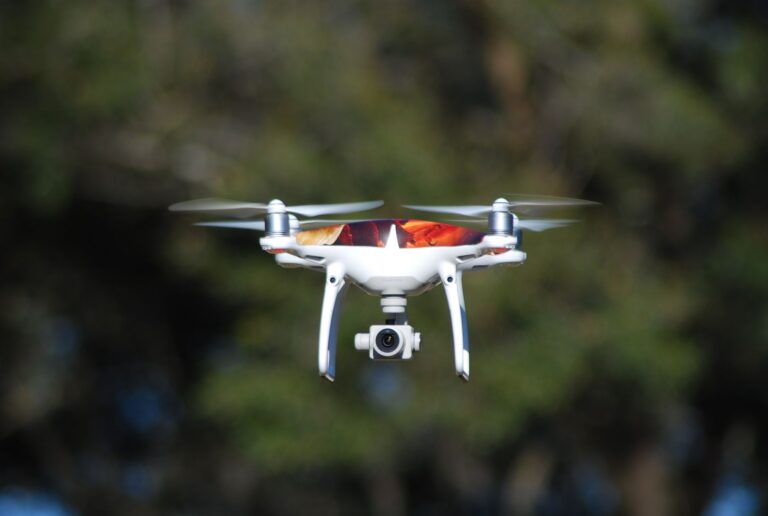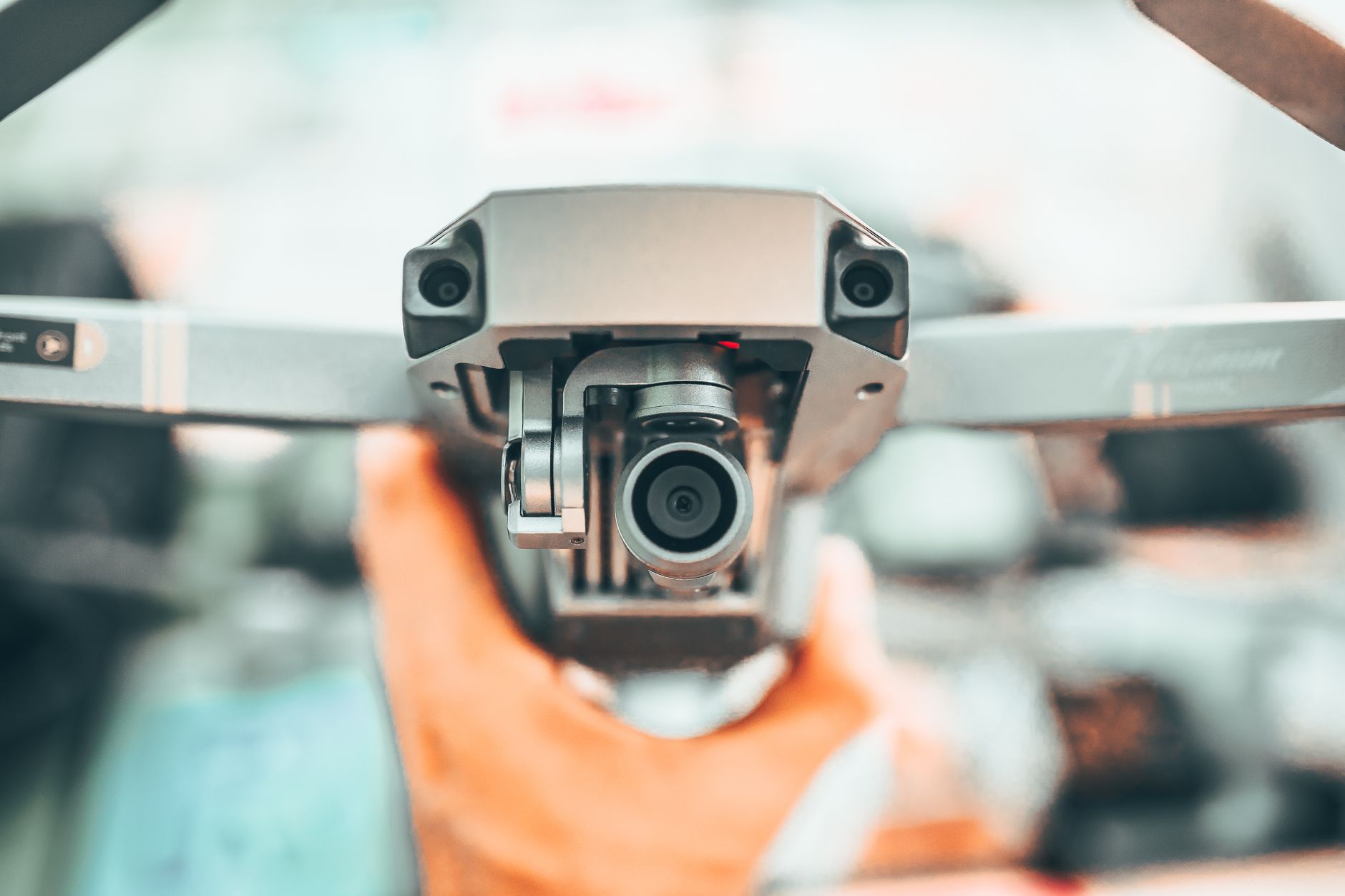

Verify aerial robot claims in 2026 by checking FAA approval lists, demanding scored flight-test results, and requiring scientific support for AI claims. Aerial robots are uncrewed aircraft that fly, sense, and act with varying degrees of autonomy, from remote-piloted drones to automated inspection platforms. Company releases and papers often mix demonstrated results with planned capability. A practical check separates legal authority to fly, measured flight performance, and proof behind autonomy language.
Table of Contents
- Does the drone legally broadcast who it is?
- Is the long-distance flight claim approved?
- Can the vendor show scored flight tests?
- Do the AI numbers hold up in your conditions?
- Should you trust a detection or sighting report?
Does the drone legally broadcast who it is?
Most drones operating in U.S. airspace must broadcast identification, location, and control-station data under 14 CFR Part 89, according to the Federal Aviation Administration's Remote ID requirements.
Flights without that equipment are limited to FAA-recognized identification areas. Ask for the exact manufacturer and model, then look for it on the FAA accepted Declaration of Compliance list for Standard Remote ID or broadcast modules. A missing entry means the compliance claim needs a clearer explanation or document.
- Get the exact make, model, and software version
- Match it to the FAA compliance list entry
- Ask whether flights use broadcast, standard Remote ID, or a fixed flying site
Is the long-distance flight claim approved?
Beyond-visual-line-of-sight flight in 2026 still needs a case-by-case FAA waiver to 14 CFR 107.31 and 107.33. Each claimed approval can be checked by operator name and regulation waived on the FAA's public Part 107 waivers issued list, according to the Federal Aviation Administration.
Routine long-distance authority under proposed Part 108 is premature. The framework was proposed August 7, 2025 and sent to OIRA July 10, 2026 without taking effect by mid-2026. Treat "Part 108 approved" as marketing language until a final rule and specific authorization appear.
Can the vendor show scored flight tests?
Promotional video shows selection, not repeatability. Quantitative aerial response-robot tests developed by NIST and adopted as a national standard provide 10 methods covering five basic maneuvers plus functionality tests such as orbits and spirals, according to the National Institute of Standards and Technology's test announcement.
Ask for complete scores, test layout, wind conditions, payload, battery state, and number of repeats. Compare results across vendors on the same maneuver before comparing price, endurance, or sensor options.
- Request maneuver scores, not highlight reels
- Require conditions, payload, and trial count
- Repeat one key test during a live demo
Do the AI numbers hold up in your conditions?
Obstacle-avoidance rates, detection accuracy, and autonomy hours often change with lighting, weather, clutter, and operator skill. The Federal Trade Commission warns that AI and autonomy claims are deceptive without scientific support or when they hold only for certain users or conditions, as summarized in this FTC AI-claims analysis.
Read papers for dataset, environment, baseline, failure cases, and statistical spread. A claim based on one clear-sky flight, one building type, or undisclosed tuning does not transfer to warehouses, bridges, farms, or disaster sites.
- Ask which conditions were tested and excluded
- Ask for false-positive, false-negative, and intervention rates
- Ask what causes the system to stop or hand back control
Should you trust a detection or sighting report?
Remote ID signals and public sighting reports are starting points, not proof. Broadcasts formatted under ASTM F3411-22a over Bluetooth and Wi-Fi lack built-in authentication, so intercepted position or operator-location data can be spoofed.
The FAA also publishes quarterly UAS Sighting Reports from pilots, controllers, and law enforcement, but those entries are unverified narratives rather than confirmed identifications. Corroborate any detection with radar, visual observation, second receiver, flight logs, or an operator record before naming a product or assigning blame.
You Might Also Like
- How to Verify Mobile Robots Claims in 2026: company releases and research papers, Evidence, and Red Flags
- How to Verify Legged Robots Claims in 2026: company releases and research papers, Evidence, and Red Flags
- How to Verify Tutorials and DIY Robotics Claims in 2026: company releases and research papers, Evidence, and Red Flags