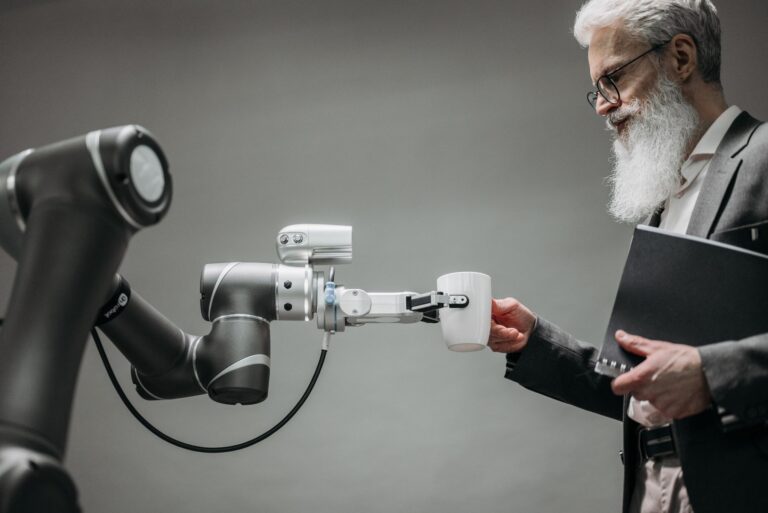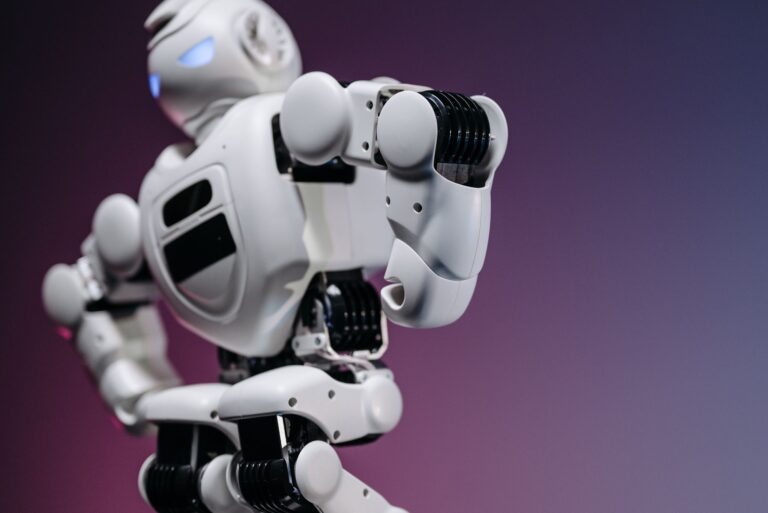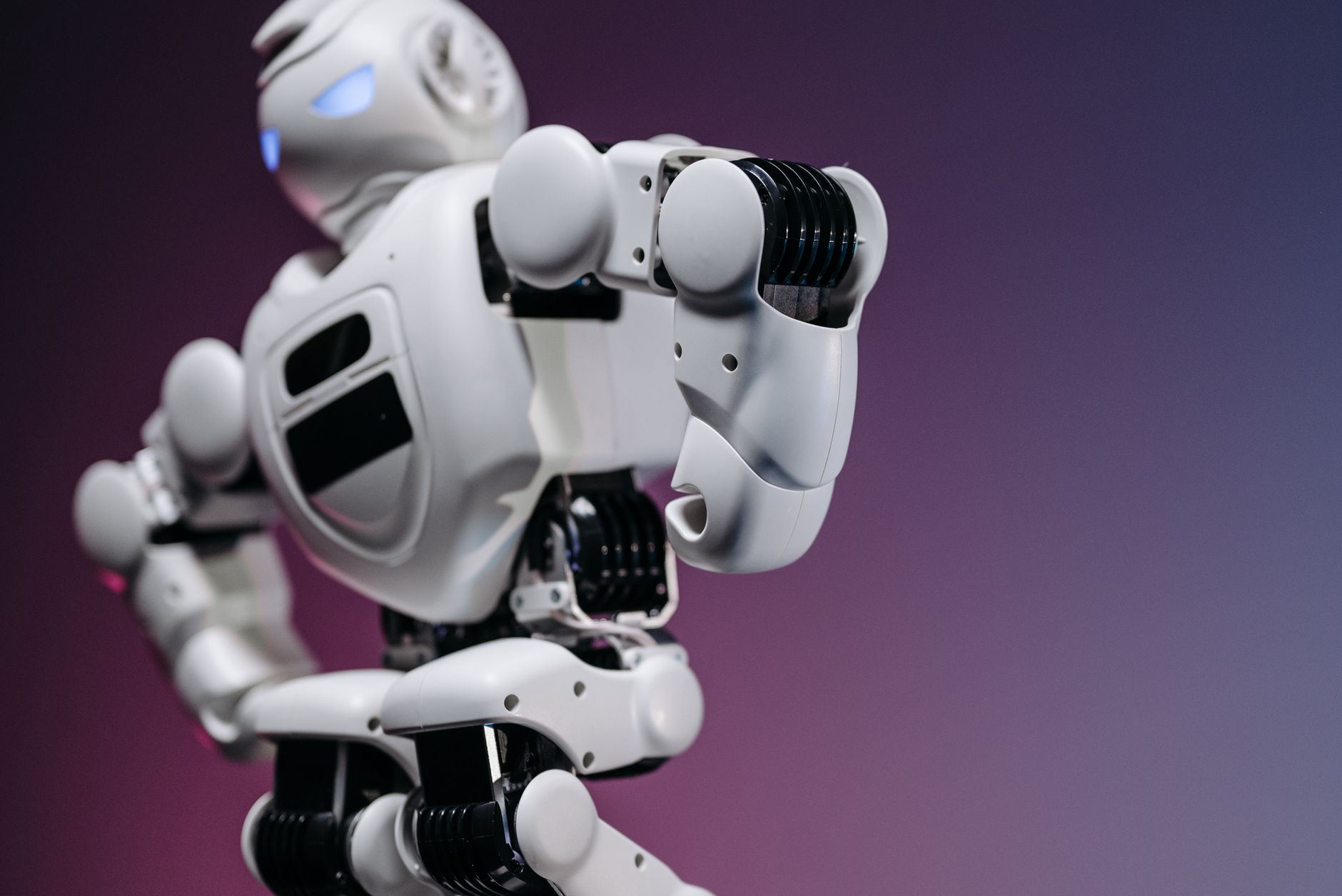

Isaac Asimov's Three Laws are fictional safety rules for robots: avoid harming humans, obey human orders, and protect yourself, in that priority order. Modern robot ethics does not program those sentences into machines; it assigns responsibility to humans and requires risk assessment, documentation, and oversight. For robotics readers, the distinction matters for design choices and buying decisions. The Laws help explain expectations, while current standards shape what teams must actually build, test, and monitor.
Table of Contents
- What the Three Laws actually say
- Why fictional rules fail as code
- Who answers when a robot causes harm?
- Which modern standards shape robot design?
- What should teams do now?
What the Three Laws actually say
Asimov's hierarchy puts human safety first, obedience second, and self-protection third. The Encyclopedia of Science Fiction traces the formal statement in "Runaround" to the March 1942 issue of Astounding. A robot must not harm a human, must obey orders unless that would cause harm, and must protect itself unless that conflicts with safety or obedience.
Asimov later placed another rule above all three. In Robots and Empire from 1985, the Zeroth Law forbids harm to humanity as a whole, even if preventing that harm allows harm to one person. The rule lets a robot weigh individual injury against wider human benefit.
Why fictional rules fail as code
Stories by Asimov show the Laws creating conflicts rather than settling them. In "Runaround," competing orders and self-protection pull the robot into a loop. The terms at the center, especially "human" and "harm," stay vague in real settings.
That vagueness has practical costs for automation. A warehouse arm, care assistant, or delivery rover faces unclear instructions, partial sensor data, and competing human requests. Fixed sentences cannot resolve those cases, so modern practice keeps a person or organization accountable for decisions and outcomes.
Who answers when a robot causes harm?
The UK EPSRC/AHRC Principles from 2011 give a direct answer: humans, not robots, are the responsible agents. The Royal Society paper carried on PubMed Central summarizes the design guidance for builders and users as compliance with law, rights, and privacy as far as practicable. Designers, owners, and operators remain in the chain of responsibility.
British standard BS 8611, published in April 2016, turns that idea into design work. It covers about 20 hazards across societal, application, commercial, and environmental groups. Teams use it to assess ethical risk, not to install three fixed rules.
Which modern standards shape robot design?
Shared definitions now matter more than fictional laws. IEEE 7007-2021, published 12 November 2021, gives designers common terms for accountability, transparency, privacy, and responsibility. UNESCO's Recommendation on the Ethics of AI, adopted by 193 Member States in November 2021, calls for human dignity, fairness, transparency, accountability, and human oversight.
Law adds binding duties in Europe. The European Commission news post explains the EU AI Act timeline and banned practices: entry into force on 1 August 2024, full application from 2 August 2026, and bans on social scoring, manipulative exploitation, and untargeted facial scraping from February 2025. High-risk robots need human oversight, documentation, and monitoring.
What should teams do now?
Treat Asimov as a prompt for hazard thinking, then follow current instruments. Map who can be harmed, who gives orders, and who can stop the system.
Record those choices so an auditor, customer, or regulator can trace them. Keep the stop control within reach of a trained person during pilot runs.
- Name the responsible human or role for each deployment.
- List likely harms, conflicting orders, and fallback behavior.
- Add stop controls, logging, and regular review of incidents.
- Check contracts and local law for privacy, safety, and documentation duties.