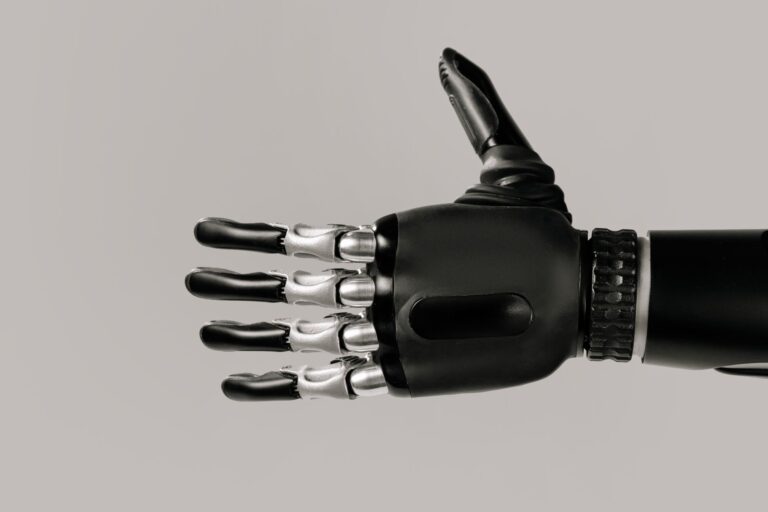

Hospitals train staff to use surgical robots through staged, role-based practice that moves from simulation to supervised patient care. A surgical robot is a surgeon-controlled system in which hand and foot controls at a console move robotic arms and instruments.
Training involves surgeons, bedside assistants, nurses, anesthesia staff, and support technicians. Programs differ by hospital, specialty, and machine design. The pattern is consistent: learn controls, rehearse tasks, then perform live cases under supervision.
Table of Contents
- What does the training sequence cover?
- How do surgeons build console skill?
- How does the rest of the team train?
- How do hospitals confirm readiness?
What does the training sequence cover?
Staff usually start with basic system lessons, safety rules, and role assignments. They learn how the console, vision cart, robotic arms, and instruments fit together.
Docking means moving and locking the robotic arms into position over the patient. Common practice blocks include: Teams repeat these blocks until actions become smooth and predictable. Supervisors watch for safe movement, clear communication, and correct response to alarms.
- setup, docking, instrument exchange, and camera control
- patient positioning, draping, and sterile technique around robotic arms
- communication cues between console surgeon and bedside team
- emergency undocking and changeover to laparoscopic or open surgery
How do surgeons build console skill?
Surgeons often begin on simulators that teach camera movement, grasping, cutting, and suturing. Simulation builds hand-eye coordination without risk to patients. Trainers explain clutching immediately: it lets the surgeon reposition hand controls without moving the instruments. Next comes dry-lab practice with training models and suture pads.
Surgeons practice instrument exchange, tension, and needle control. They also observe live robotic cases and assist at the bedside before taking the console. Early console cases happen with an experienced proctor present. The proctor can advise, pause the case, or take over when needed. Case difficulty rises only as skill and judgment improve.
How does the rest of the team train?
Bedside assistants guide instruments, exchange tools, and watch arm clearance. Nurses manage counts, sterility, equipment setup, and specimen handling. Anesthesia staff adjust for longer setup times and patient positions tied to robotic access. Team drills focus on setup speed, arm collisions, loss of view, and equipment faults.
Crews practice callouts for docking, instrument movement, and emergency stop. Clear language matters because the surgeon sits away from the bedside and may face a screen, not the patient. Technicians and sterile staff learn cleaning, inspection, draping, and storage. Robotic instruments have wrists, cables, and seals that need careful handling. Missed damage or poor draping can delay a case or limit motion.
How do hospitals confirm readiness?
Hospitals commonly use checklists, observed tasks, and supervised case series for each role. A surgeon may need approved simulation work, bedside experience, and several proctored cases before independent scheduling. Nurses and assistants may need observed setups, emergency drills, and annual refreshers. Readiness is specific to specialty and task.
Skill in one procedure does not automatically transfer to another. Low case volume can erode skill, so many teams schedule practice and review selected case video. Equipment differences also matter. Controls, docking steps, alarms, and instruments change between robot models. Staff who train on one model should repeat core drills before using another model.