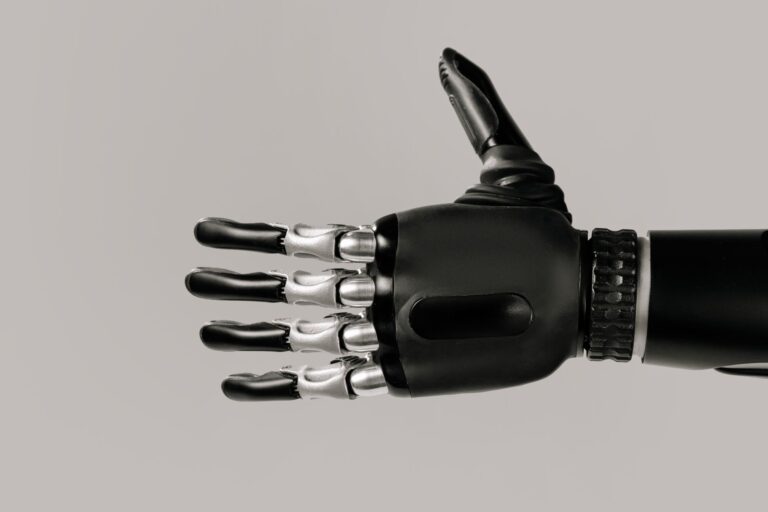

To verify a healthcare robotics claim in 2026, match the exact product and use to its FDA clearance record, trial evidence, and safety reports. A 510(k) clearance is FDA marketing permission for a specific device and use, separate from facility registration. Company releases and papers often widen that narrow permission into broad promises about autonomy, cancer care, or faster recovery. These checks help buyers, clinicians, and readers see what the evidence supports, where limits apply, and what to request next.
Table of Contents
- Is the robot cleared for this exact use?
- Does the software appear on FDA's authorized list?
- What do safety reports add and miss?
- How to weigh releases and research papers?
- Which claims are immediate red flags?
Is the robot cleared for this exact use?
Search FDA's releasable 510(k) database by 510(k) number, applicant, device name, or product code. The record returns decision date, applicant, and classification, as described in FDA 510(k) database guide. Use that record to separate FDA clearance from mere facility registration. Intuitive announced FDA 510(k) clearance for its da Vinci 5 multiport surgical system on March 14, 2024.
The company cited 150+ enhancements, according to an Intuitive announcement via Nasdaq. In 2026, measure any FDA-cleared da Vinci 5 claim against that scope, not against broader autonomy promises. Pull identifiers straight from the release and compare each field before trusting the headline. Save the result for purchasing, coverage, or citation files.
- Copy the 510(k) number, applicant, and device name from the release
- Match the cleared use to the marketed procedure and patient group
- Keep decision date and classification with your notes
Does the software appear on FDA's authorized list?
Cross-check software claims against FDA's public List of Artificial Intelligence-Enabled Medical Devices. The list records authorization date, submission number, company, specialty, and product code for each authorized device, according to FDA. Specialty means medical field, and product code means FDA category label. PLOS Digital Health and University of Toronto researchers analyzed 1,357 FDA-cleared artificial-intelligence and machine-learning devices through December 2025.
They found only 34 linked to registered clinical trials. Only 3 tested patient-centered outcomes like survival or quality of life, as reported in PLOS Digital Health analysis. That gap affects patients and buyers who treat clearance as proof of benefit. Ask the vendor for trial registration, control group, and results for survival, function, or quality of life.
What do safety reports add and miss?
Search FDA's MAUDE database by robot brand and product code for adverse-event reports. The system includes voluntary reports since June 1993 and manufacturer reports since August 1996, according to FDA medical-device databases. Use brand plus product code to keep results tied to the same device type.
Reports can reveal patterns, but they cannot set rates. Reporting is incomplete and varies by hospital and maker. Absence of reports is a reporting gap, not proof of safety.
How to weigh releases and research papers?
The FTC requires competent and reliable scientific evidence before health-benefit advertising. It calls randomized controlled human trials the most reliable form, as explained in December 2022 FTC health-products guidance. Releases citing only bench tests, animal work, or testimonials do not substantiate patient-benefit claims.
Treat medRxiv manuscripts as preliminary reports not certified by peer review. MedRxiv says these reports should not guide clinical practice or be reported as established information, per its about page. Require the later peer-reviewed journal version before repeating an efficacy claim, and compare control group, sample size, and patient outcome.
Which claims are immediate red flags?
FDA states that no robotically assisted surgical device has marketing authorization for mastectomy or for cancer treatment or prevention. FDA cites little evidence of safety and effectiveness, according to its computer-assisted surgical systems page. Survival or recurrence claims for these RAS devices are red flags.
RAS means robotically assisted surgical. Watch for scope stretch around clearance, trials, and safety data. Clearance alone does not prove longer survival or better daily function. Ask for 510(k) number, cleared-use statement, and a trial showing a patient-centered outcome before buying, covering, or citing the system.
- Broad autonomy claim tied only to the 2024 da Vinci 5 clearance
- Clearance cited as proof of survival or quality-of-life gain
- Zero MAUDE reports cited as proof of safety
- Preprint efficacy claim with no peer-reviewed follow-up
You Might Also Like
- How to Verify Robotics Companies Claims in 2026: company releases and research papers, Evidence, and Red Flags
- How to Verify Programming Robotics Claims in 2026: company releases and research papers, Evidence, and Red Flags
- Healthcare Robotics FAQ for October 2026: Source-Checked Answers to Common Questions