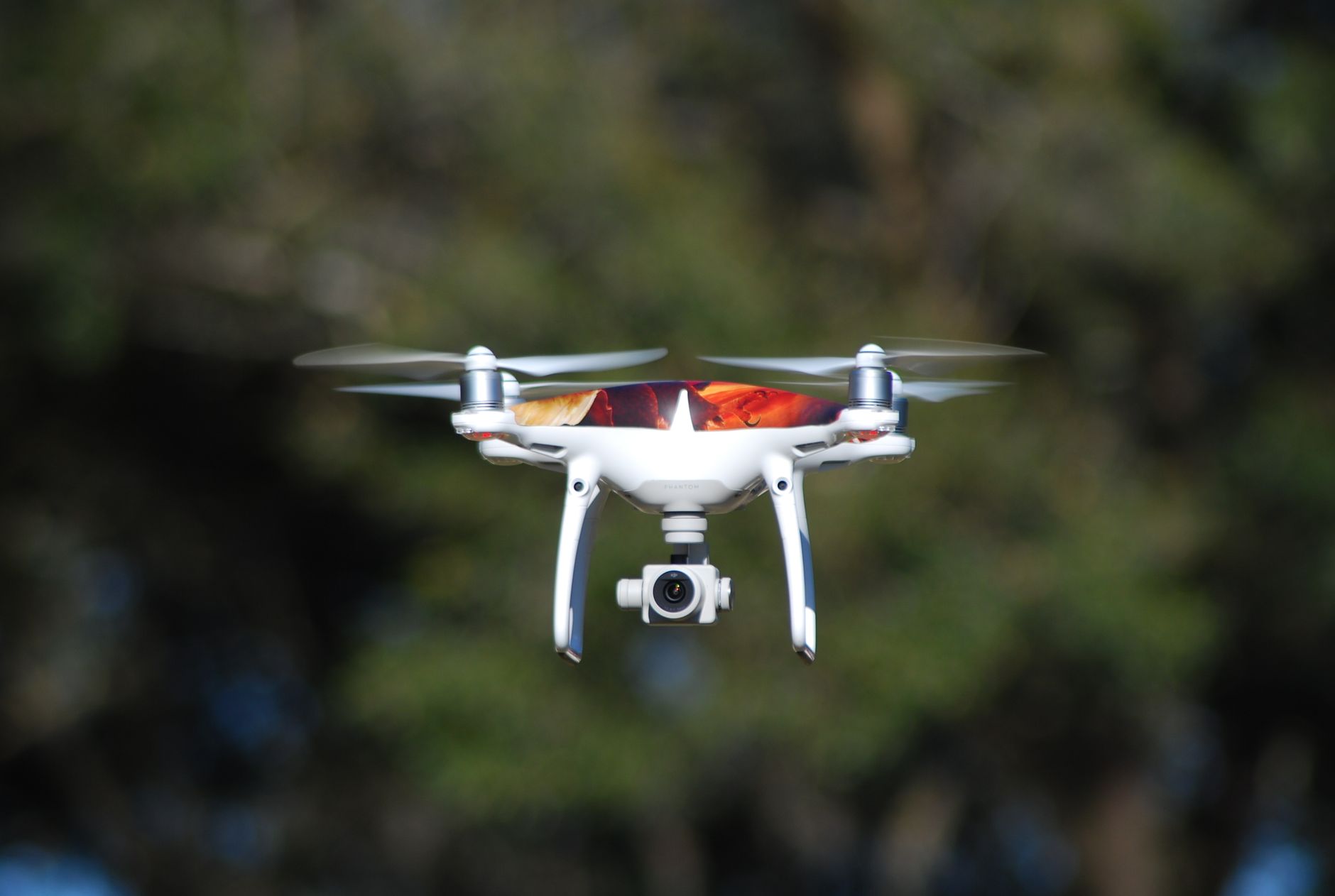

Inventory drone scanning in large warehouses uses small indoor drones to read pallet labels and check stock locations. Inventory drone scanning means an automated flight that photographs barcodes on high racks and sends the reads to warehouse software. It suits buildings where tall racks, long aisles, and frequent cycle counts make manual scanning slow or awkward. The reader benefit is practical: understand how the system works, where it breaks down, and what a careful rollout needs.
Table of Contents
- How the scan actually works
- Where drones fit daily work
- What limits use in large buildings
- What a safe deployment requires
- When drones make sense — and when they do not
How the scan actually works
A typical mission follows a planned aisle path at rack height. The drone pauses or moves slowly past each bay, aims a camera or scanner at labels, and records barcode data plus location. Software then matches each read to the expected slot in the inventory record.
Matches confirm stock position. Misses or mismatches flag a slot for human review. Most indoor systems fly autonomously after mapping, with a pilot monitoring. Autonomy here means following preset routes and avoiding obstacles, not making inventory decisions alone.
Where drones fit daily work
Drones fit cycle counting best, especially for high bays that need lifts or scaffolds to reach. They can check forward pick faces, bulk storage, and overstock lanes without blocking the aisle with equipment. They do not replace receiving, putaway, or full physical inventory by themselves.
Ground staff still handle damaged labels, unreadable codes, misplaced pallets, and quantity checks. A useful comparison is drone versus lift-based counting. A lift needs an operator, floor space, and safety controls. A drone needs clear airspace, readable labels, and charged batteries, but leaves the floor open.
What limits use in large buildings
Large warehouses challenge navigation, lighting, and label visibility. Metal racks can disturb positioning signals, dust and dim aisles reduce image quality, and shrink wrap can hide barcodes. Flight time, payload, and air traffic also set limits. Small scan drones carry light sensors only, so heavy readers or extra lighting shorten flights.
Narrow aisles, dock fans, conveyors, and active forklifts create drafts and obstacles. Label quality often decides success. Torn labels, faded print, duplicate codes, plastic glare, and angled pallets cause missed reads. Standardize label size, placement, and lighting before judging drone performance.
What a safe deployment requires
Start with one building zone, mapped aisles, and flights outside peak activity. Keep people out of the active aisle, assign a trained observer, and set clear stop rules for low battery, lost positioning, or nearby equipment.
Treat data flow as part of safety. Confirm that scans update the correct warehouse locations and that failed reads do not overwrite good records. Keep a manual check step for high-value or hazardous stock.
- Map racks, no-fly zones, charging points, and emergency landing spots.
- Test label reads at all target heights and light levels.
- Define who reviews exceptions and corrects the system record.
- Log flights, misses, battery swaps, and incidents.
When drones make sense — and when they do not
Drones make sense for tall, dense storage with stable layouts and readable case or pallet labels. They also help sites that count high bays often and want fewer lift trips for visual checks. They make less sense for dark mezzanines, very narrow aisles, heavy dust, loose film, or constantly changing bulk piles.
If labels face random directions, fix labeling and slotting first. Choose a vendor path that fits existing software and staff skill. Ask for a live test on your racks, your labels, and your light levels, then measure missed reads and review time before expanding.