
Automation in reverse logistics uses robots, vision systems, and software to receive, inspect, sort, and route returned goods. Reverse logistics is the flow of products backward from customers to warehouses, repair centers, resellers, or recycling. Returns create variable, labor-heavy work that outbound automation was never designed to handle. Readers can use this guide to spot high-value automation targets, plan inspection and data flows, and avoid overbuying equipment.
Table of Contents
- Why are returns harder to automate than outbound orders?
- Where does automation pay first?
- How do machines inspect and grade returned items?
- What does integration require?
- Where are the limits?
Why are returns harder to automate than outbound orders?
Outbound work moves uniform, bar-coded cases in predictable batches. Returns arrive one at a time, often opened, damaged, missing parts, or packed in the wrong box. Each item needs identification, condition judgment, and a routing decision.
That decision may be resell as new, resell as open-box, repair, liquidate, recycle, or destroy. Automation must handle uncertainty at every step. Systems need flexible grippers, broad product recognition, and rules for exceptions rather than fixed pick-and-place paths.
Where does automation pay first?
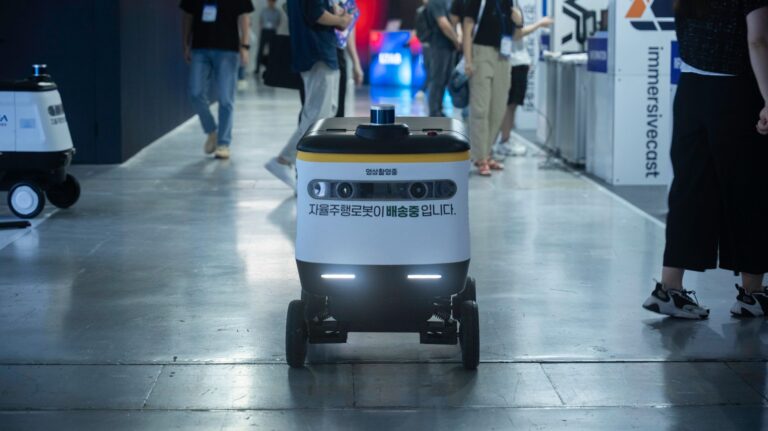
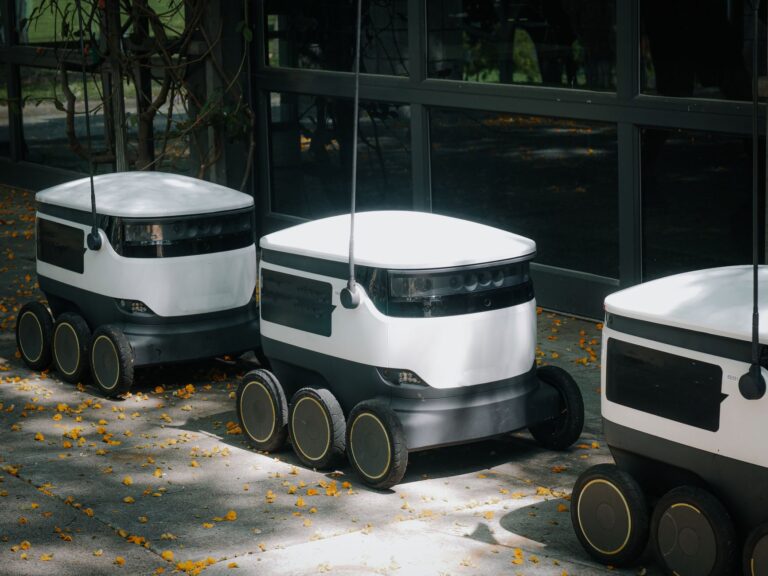
The fastest gains usually come from transport and sorting, not complex repair. Mobile robots, conveyors, and sort walls move totes of returns to the right station without manual carrying and queuing.
Automated induction and sortation also reduce floor congestion during peak return periods. Common starting points include: These steps cut handling touches and create clean data for later decisions. They work best when return volume is steady and product mix is bounded.
- Automated tote and carton transport with mobile robots
- Dimensioning, weighing, and label scanning at receiving
- Pouch and tilt-tray sorters for small, mixed items
- Print-and-apply labeling for graded and routed goods
How do machines inspect and grade returned items?
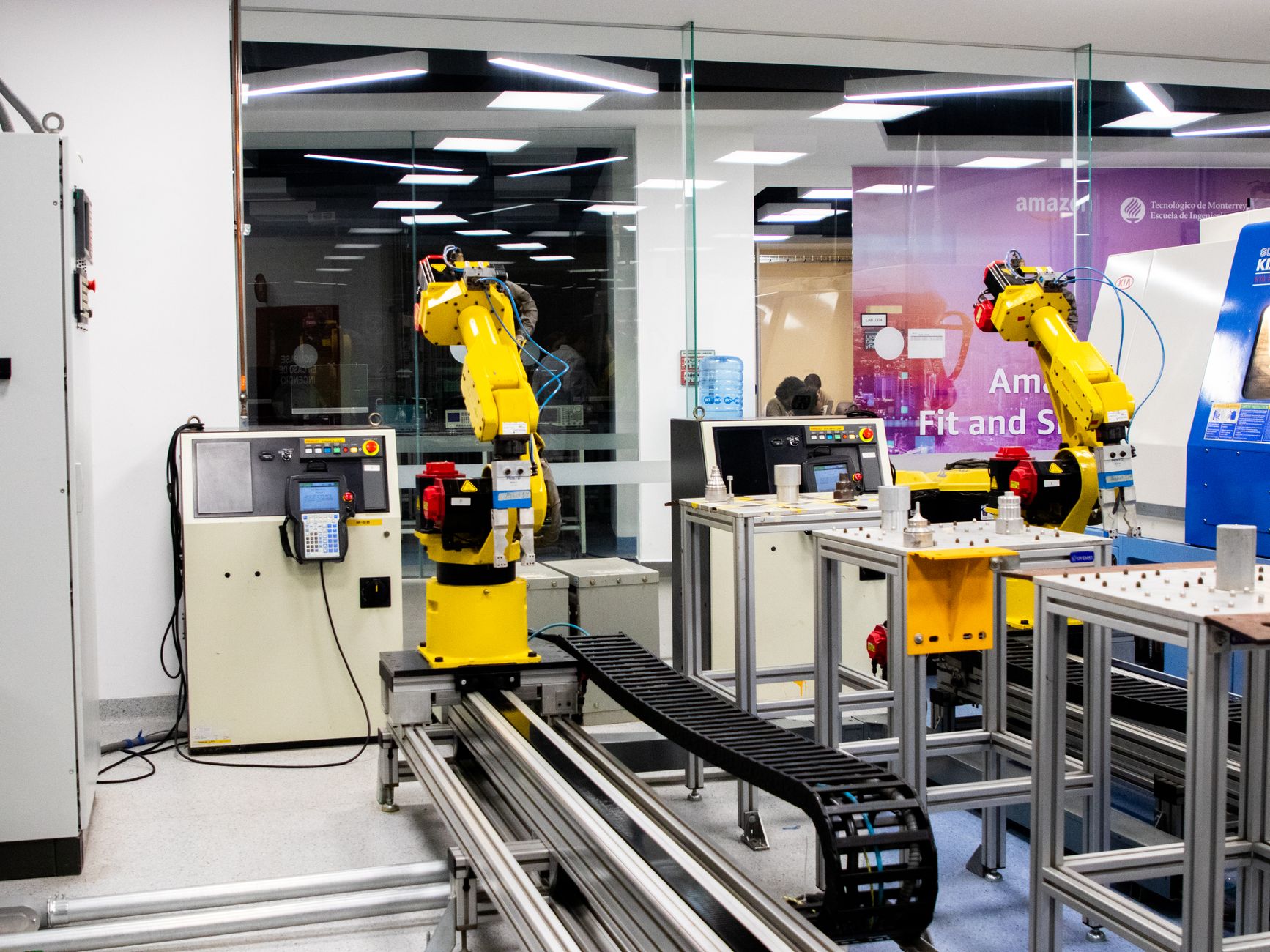
Inspection cells combine cameras, scales, barcode readers, and testing fixtures. They confirm identity, check completeness, and record visible defects for the warehouse system. Vision software compares the item against product images, reads serial numbers, and flags mismatches in packaging or accessories.
Functional tests may power on electronics, check buttons and ports, or run short diagnostics. The system then assigns a grade and destination. Clear photo records help resale listings, warranty review, and fraud control while reducing disputes over condition.
What does integration require?
Returns automation depends on software connections more than robot speed. The warehouse management system must link the original order, return authorization, item serial number, inspection result, and final disposition. Conveyors, robots, scanners, and manual benches should share one tracking ID from receiving to restock or disposal.
Workers need simple screens that show the next action, required photos, and label choice. Plan for exception lanes from the start. Damaged batteries, leaking liquids, recalled models, and items without identifiers need safe holding areas and clear handling rules.
Where are the limits?
Soft apparel, mixed kits, and heavily damaged goods still challenge grippers and vision systems. Wrinkled fabric, missing tags, tangled cables, and crushed boxes slow recognition and increase misroutes. Low-volume operations may not recover the cost of custom cells and integration.
Manual benches with good scanning, scales, and photo stations often process varied returns faster and cheaper. Safety and compliance also set boundaries around batteries, chemicals, and medical items. Start with a timed audit of return categories, defect types, and repeat handling touches before buying hardware.