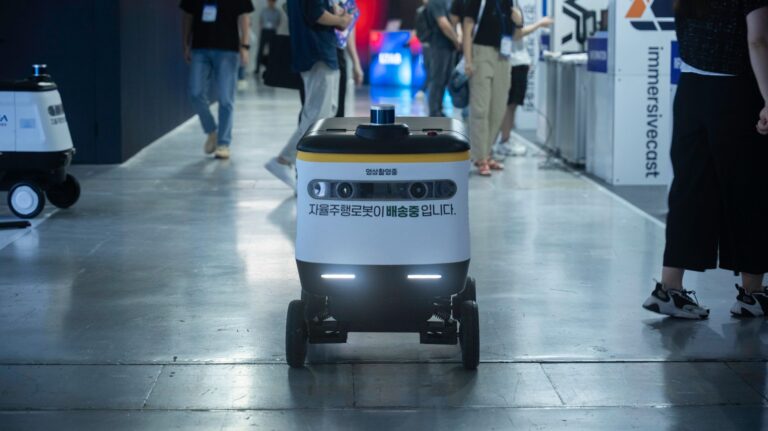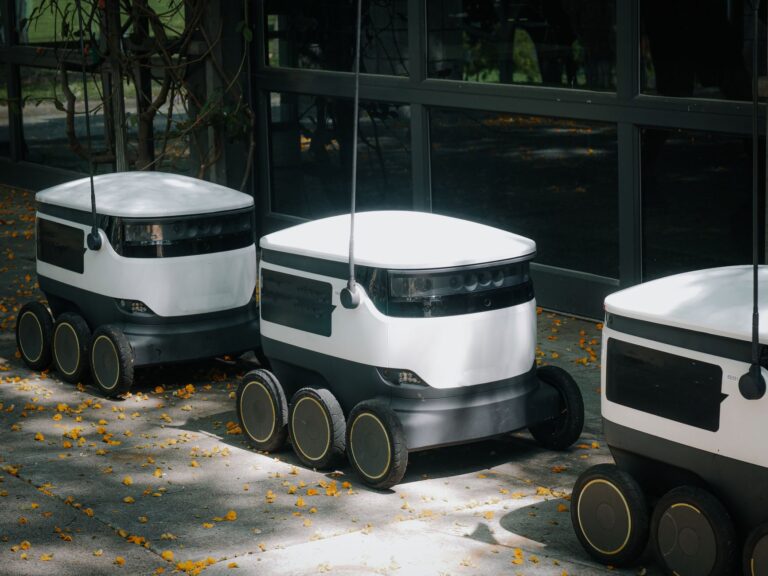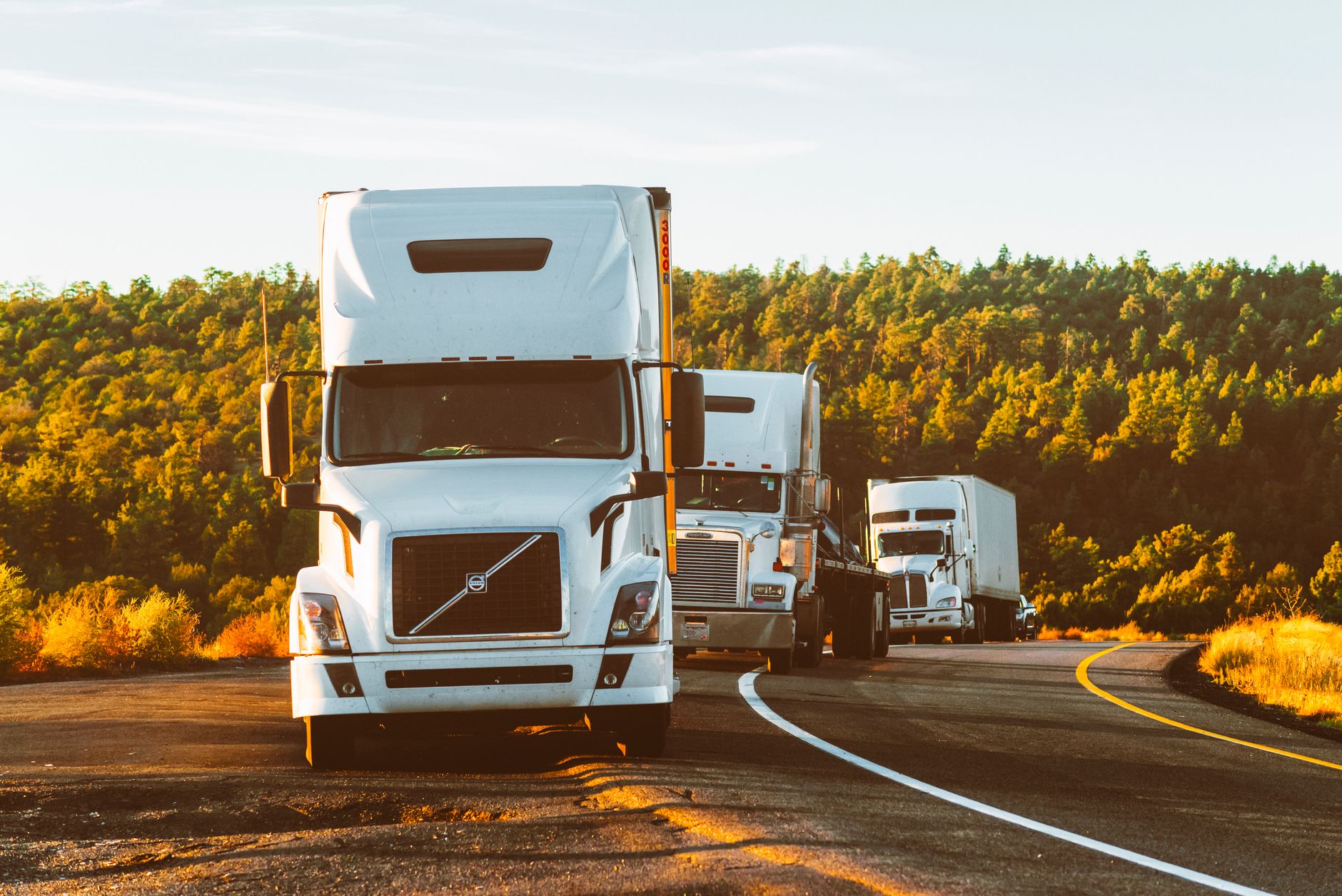

Autonomous trucks fit best on repeated highway runs between freight hubs. In a logistics network, the robot handles steady cruising and lane-keeping while people handle pickup, loading, inspection, and city delivery. Autonomous trucking means a truck that can drive itself under defined conditions using sensors, maps, and safety controls. Logistics networks already split freight into legs, so operators can assign the most predictable leg to automation.
Table of Contents
- What job does the robot actually do?
- Why do hubs and handoffs matter so much?
- What limits use today?
- How should operators prepare a route for autonomy?
What job does the robot actually do?
The core job is line-haul driving. Line-haul is the long middle leg between distribution centers, usually on divided highways with clear markings and steady speeds. The system keeps distance, stays centered, changes lanes when clear, and pulls over safely when it detects a fault.
A remote supervisor may monitor the run, answer context questions, and help route around closures. People still do the physical work at each end. They fuel or charge the truck, check tires and brakes, secure cargo, clear paperwork, and drive congested streets to the dock.
Why do hubs and handoffs matter so much?
Hubs turn one hard trip into two simpler jobs. A human driver or yard tractor brings the trailer through local traffic to a transfer yard near the highway.
The autonomous truck then runs hub to hub without stops for rest or meals. Another driver delivers the final miles. That split limits where the robot must operate and keeps responsibility clear.
- Route fit: long, simple highway segment with safe entry and exit points
- Yard fit: room to inspect, park, swap trailers, and stage trucks
- Staff fit: trained people for checks, coupling, exceptions, and customer contact
What limits use today?
Weather, construction, and unclear lane markings narrow where automation can run. Heavy rain, snow, dust, and glare can blind cameras and lidar, so fleets need weather rules and safe pull-off plans. Mixed traffic adds edge cases that are hard to predict. Work zones shift lanes, emergency vehicles need quick yielding, and small debris forces judgment calls.
Remote support helps, but it cannot grab the wheel or fix a flat tire. Maintenance and inspection set another limit. Sensors need cleaning and calibration, software needs updates, and pre-trip checks take time. Fleets need trained technicians, spare parts, and clear rules for when to ground a truck.
How should operators prepare a route for autonomy?
Start with the simplest freight lane. Pick a high-volume run with good roads, daylight hours, nearby maintenance, and staffed hubs on both ends. Map every handoff in advance. Define who inspects the vehicle, who accepts the trailer, how faults are reported, and what happens when the truck requests help.
Practice the transfer until drivers, yard staff, and remote supervisors use the same steps. Measure what matters for safety and flow. Track on-time handoffs, intervention rate, miles between faults, inspection findings, and time lost to weather or construction. Use those records to expand only to lanes with the same clear profile.