
Logistics labor shortages mean warehouses, ports, and carriers struggle to fill physically demanding handling and driving roles. Automation makes the case for itself by keeping goods moving through those gaps with machines that lift, carry, sort, and track freight. Logistics here means the storage and movement of goods from supplier to customer. Automation means equipment and software that perform set tasks with limited human input, while people supervise, handle exceptions, and maintain flow.
Table of Contents
- Where do gaps disrupt operations most?
- What can machines take over now?
- Where are the limits?
- How should a site choose a first project?
Where do gaps disrupt operations most?
Shortages hit hardest at points where work is repetitive, physical, and time-sensitive. Picking items from shelves, loading trailers, unloading parcels, and moving pallets across large buildings require steady staffing across long shifts. When those roles go unfilled, queues build and delivery windows slip.
Driving and yard work create a second pressure point. Long hours, night schedules, and dock delays make retention difficult. A missing driver or shifter can idle a loaded trailer and force rescheduling across the rest of the route.
What can machines take over now?
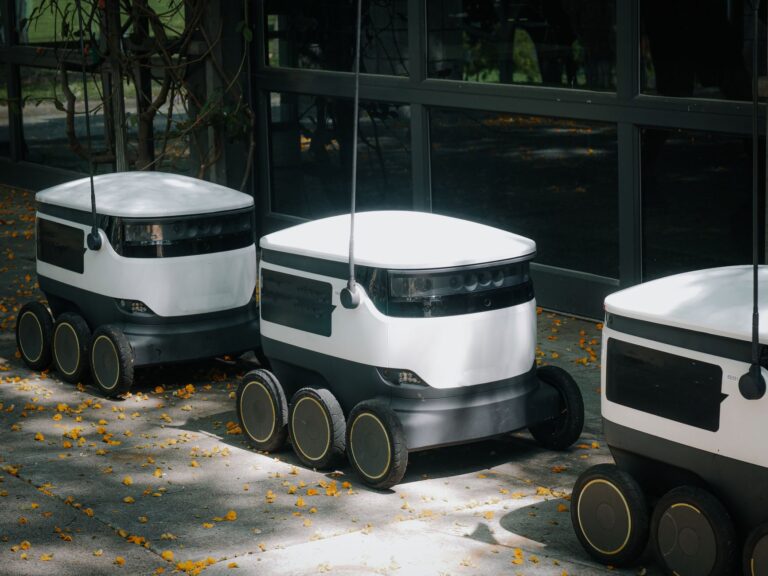
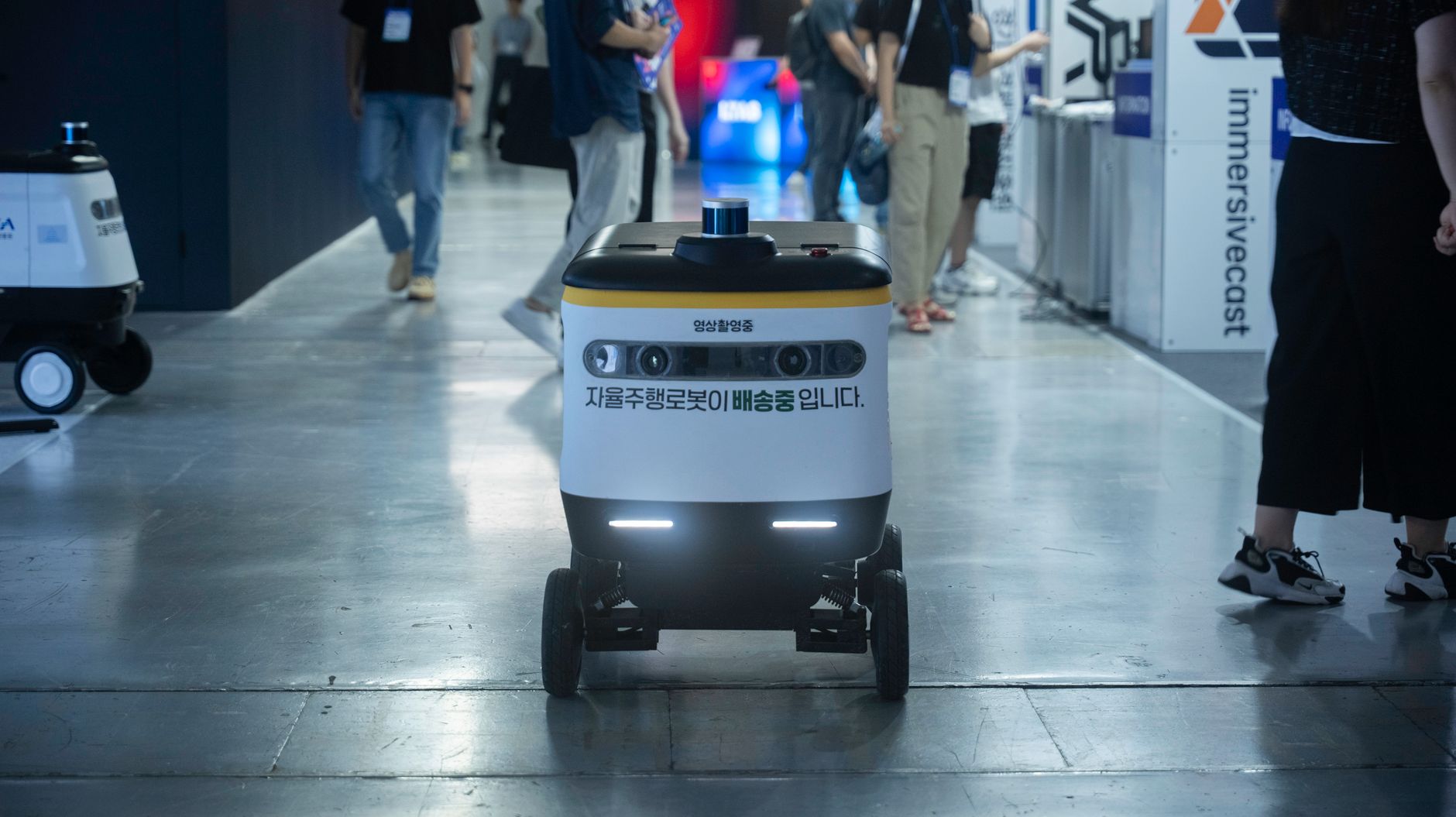
The strongest fit is repeated movement in structured spaces. Autonomous mobile robots carry totes and pallets between receiving, storage, and packing stations. Fixed conveyors, sorters, and palletizers move and stack standard boxes at steady speed without lifting strain on staff.
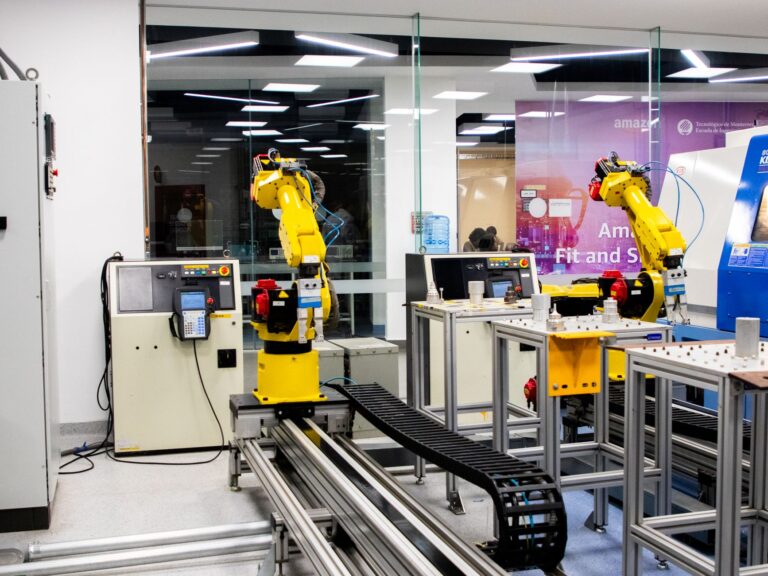
Robotic arms and vision systems help with picking, labeling, and inspection. An arm can pick uniform items from a bin, apply a label, or check a barcode while software records each scan. This pairing of machine action and digital tracking cuts search time and reduces misplaced freight.
Where are the limits?
Automation works best when tasks and layouts stay consistent. Mixed parcels, damaged boxes, loose items, and crowded aisles still need human judgment. Sites with frequent layout changes or highly varied products often need simpler aids, such as power conveyors or lift assists, before full robotics.
Machines also add new work. Operators must charge batteries, clear jams, update maps, manage software, and service belts and sensors. Without maintenance time, spare parts, and trained staff, a useful robot becomes another stalled asset on the floor.
How should a site choose a first project?
Start with a clear bottleneck rather than a broad upgrade. Good candidates share three traits: high volume, repeated motion, and frequent overtime or errors.
Run the pilot in live operation but on a limited lane or shift. Compare results against the same lane before the change, then fix guarding, floor markings, and handoffs before expanding to more aisles or buildings.
- Map one flow, such as inbound unloading to storage, and count handoffs, waits, and rework.
- Pick one contained task, such as pallet transport or carton sorting, for a pilot.
- Keep people in the loop for exceptions, quality checks, and safety stops.
- Train current handlers to operate, feed, and monitor the new equipment.
- Set a simple success measure, such as pallets moved per shift or orders packed without rework.