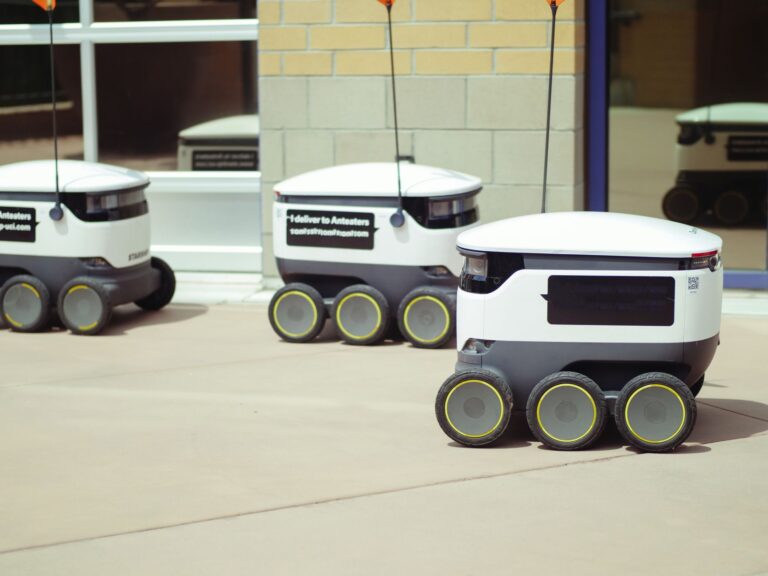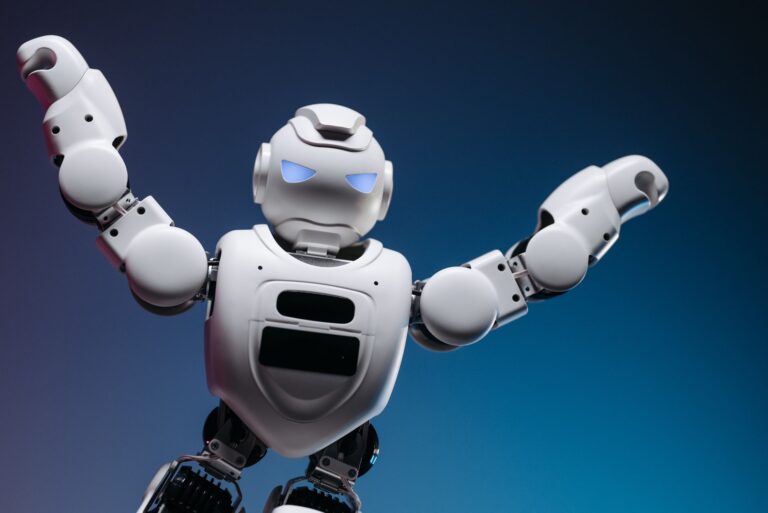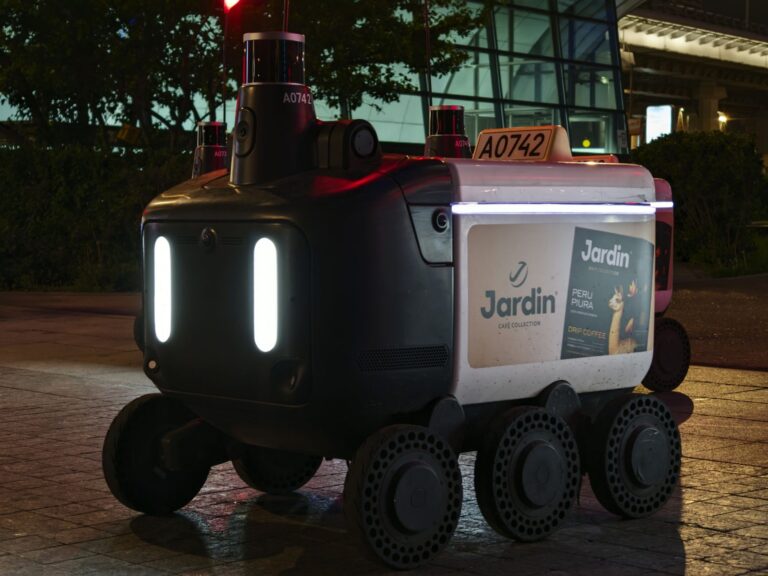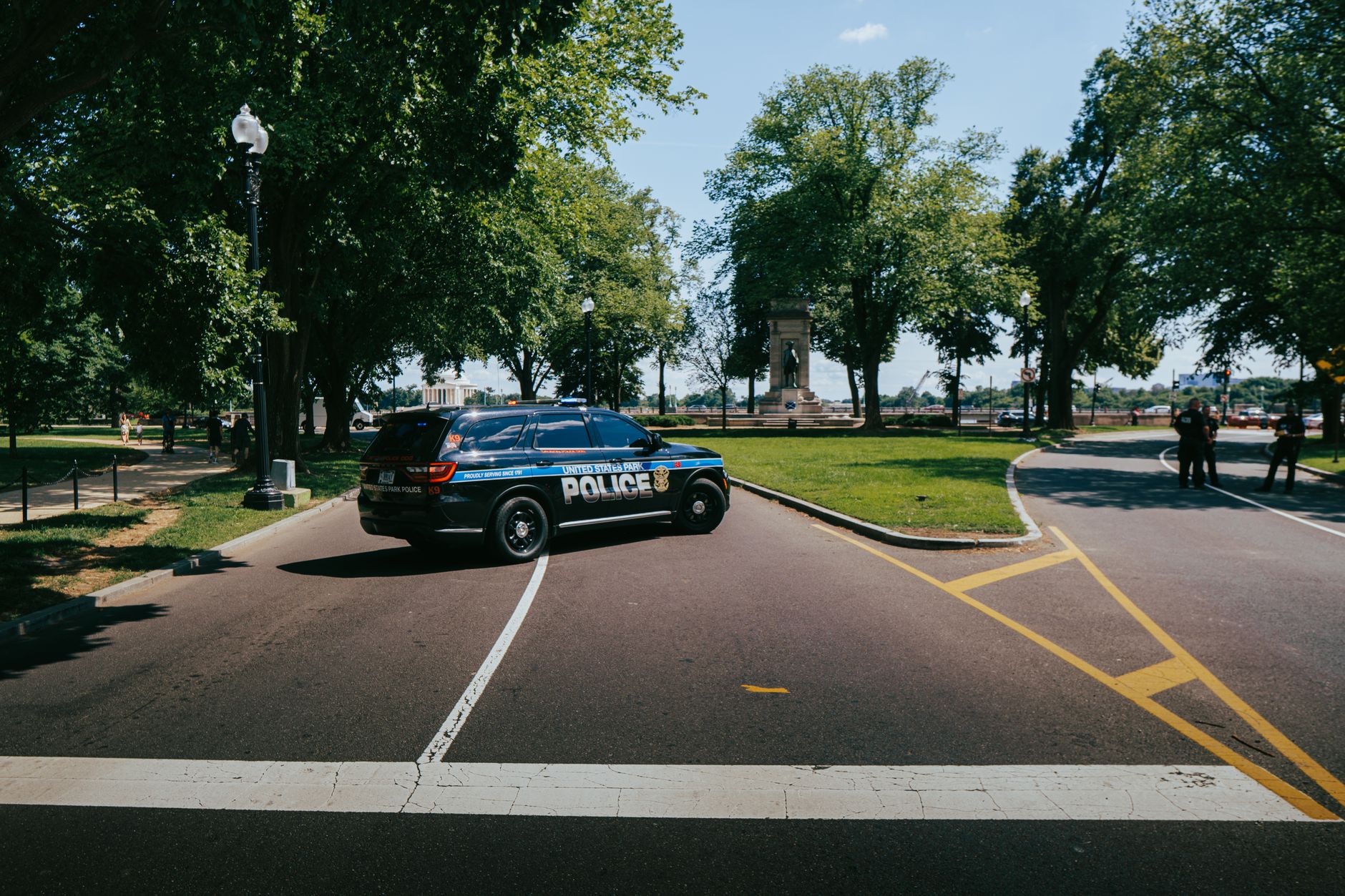

Security patrol robots are mobile machines that deter crime through visible patrol, video, and two-way communication. They remain observers that cannot arrest, de-escalate, or replace human officers. Agencies use them for routine rounds in lots, parks, stations, and terminals. The record shows short pilots, frequent cancellations, and strict legal and technical limits.
Table of Contents
- What can a patrol robot do?
- Where are agencies testing them?
- Why do many pilots end early?
- What legal and buying limits apply?
What can a patrol robot do?
The best-known model is the Knightscope K5, a 400-lb wheeled robot. According to the NYC Mayor's Office, the Times Square subway pilot used it overnight from midnight to 6 a.m. to record video and offer a help button while paired with officers read the mayor's announcement transcript.
According to Knightscope, the K5 mainly patrols parking lots with four cameras, 360-degree video, and license-plate reading. It navigates by lidar and sonar, pauses and reroutes around people, and offers two-way intercom see how Knightscope describes the K5. Singapore is testing a different form. According to the Singapore Police Force, its rideable GIBSON robot works indoors in Changi Airport Terminal 4 Departure Hall to boost presence and officer mobility.
Where are agencies testing them?
Transit hubs and airports favor presence over enforcement. New York placed the K5 in a busy subway station during low-staff overnight hours. Singapore placed GIBSON in a departure hall where steady movement and visibility matter. Parking lots and parks are the other common test sites.
These areas need long, repetitive rounds and deterrence. They do not require arrests on the spot. The pattern is narrow deployment for a defined task. Agencies pair the robot with officers or guards. The robot watches, records, and relays.
Why do many pilots end early?
According to Proof News, at least 21 U.S. security-robot deployments since 2015 have been tracked, and at least 13 had ended. The same reporting found Knightscope held the most contracts and the most cancellations read the Proof News deployment analysis.
Dublin, Ohio ended its two-year DubBot park-patrol pilot after under 10 months. According to city spokeswoman Robyn Gray, cited by Proof News, the robot did not meet operational needs and produced no criminal detections, tickets, or arrests. The business base is also fragile. According to Proof News, Knightscope cited a $237M accumulated deficit and bought guard firm Event Risk to pair robots with human guards.
What legal and buying limits apply?
Patrol robots remain legally limited observers. They cannot arrest or de-escalate, so sites still need staff for contact, restraint, and judgment. Privacy is a second limit. According to Popular Science, NYPD said its K5 used no audio recording or facial recognition.
The Surveillance Technology Oversight Project warned its images could still be fed into existing face-recognition systems linked to wrongful arrests. Supply is tightening for some forms. According to the Digital Watch Observatory, the FCC has barred import of new foreign-made humanoid and quadruped robots over cybersecurity and critical-infrastructure risks. Buyers must select approved domestic or cleared models and plan for human staffing from the start.