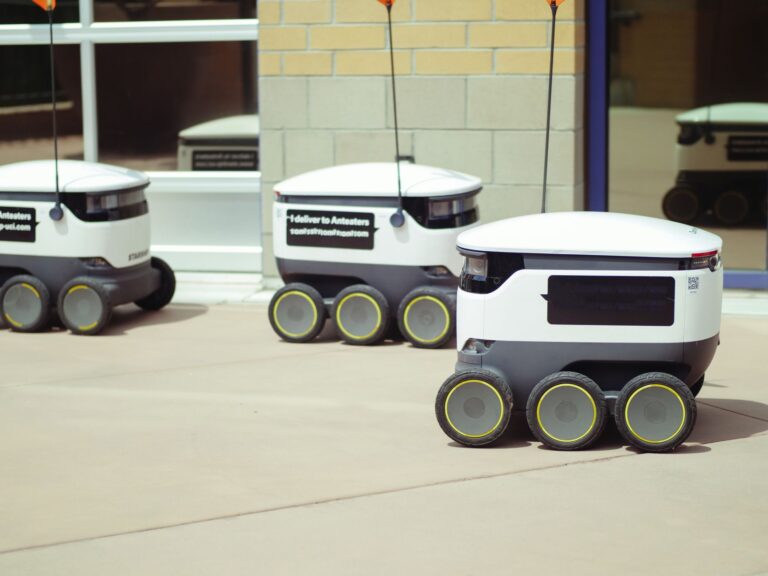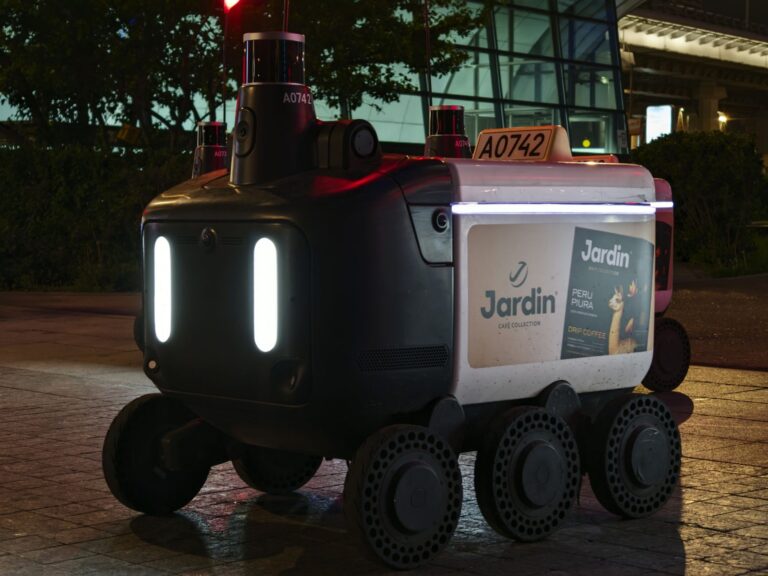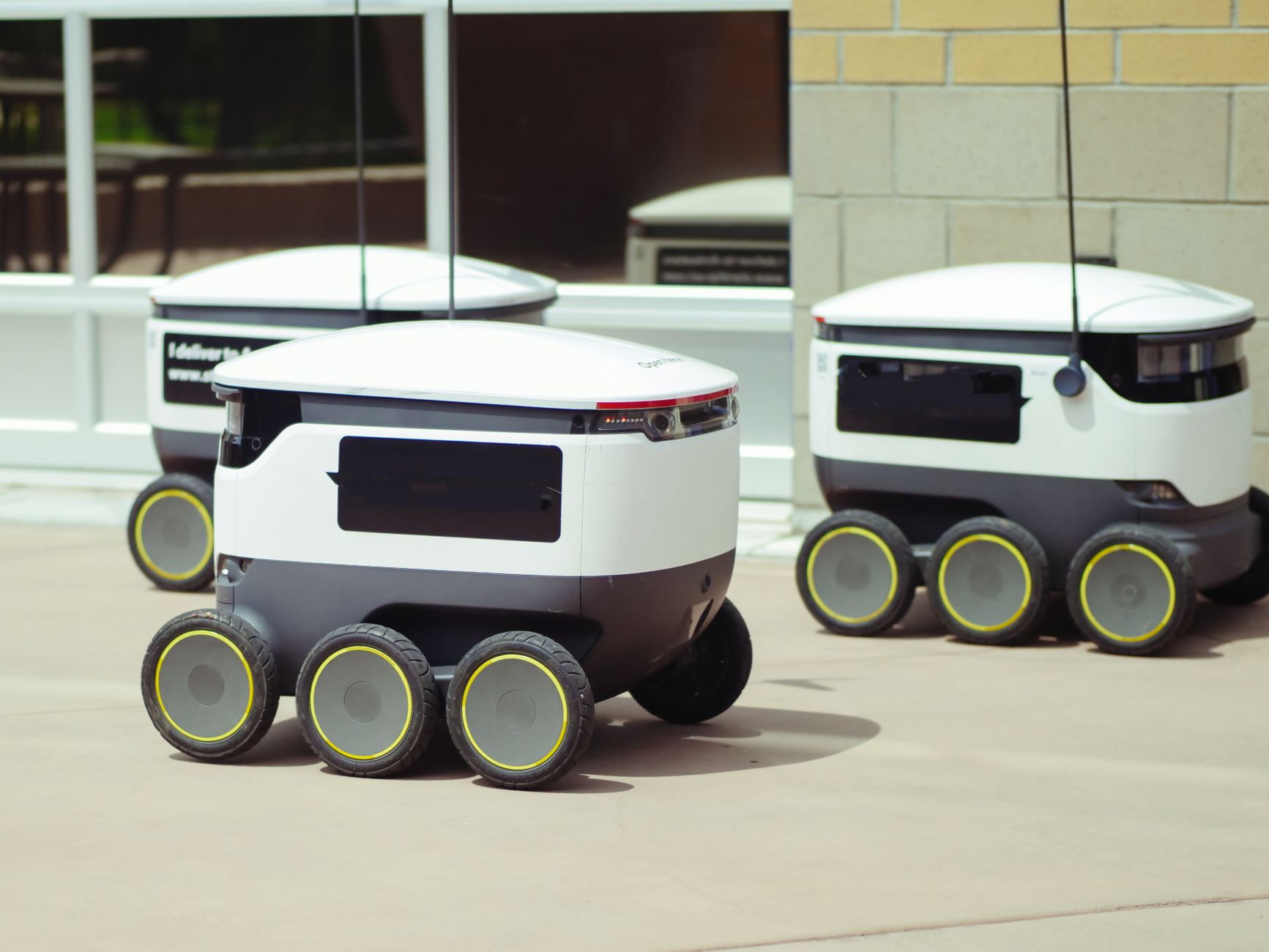

Mobile robots in hospitals move routine supplies so staff spend less time walking corridors. Delivery and logistics robots are wheeled machines that carry loads between pharmacy, lab, kitchen, and wards. They work best as helpers for repeatable trips, not replacements for clinical judgment. A reader planning automation can use this guide to match robot types to tasks, safety needs, and building limits.
Table of Contents
- What do hospital delivery robots carry?
- How do they navigate busy corridors?
- What limits where they can go?
- How should teams plan a rollout?
What do hospital delivery robots carry?
Hospitals use delivery robots for light, frequent loads that follow a fixed route. Common examples include medications in locked bins, lab specimens in sealed containers, linens, meals, and clean supplies.
Heavy or urgent work usually stays with people. Robots suit scheduled rounds and on-demand requests where a short delay is acceptable. Staff still hand items to patients and handle controlled handoffs at the bedside.
How do they navigate busy corridors?
Most hospital robots are autonomous mobile robots, meaning machines that map their surroundings and steer around obstacles. They use lasers, depth cameras, and wheel sensors to detect people, beds, carts, and closed doors.
They typically slow near pedestrians, pause at intersections, and call elevators or pass through automatic doors. Facilities often set one-way robot lanes, parking spots, and delivery windows to reduce congestion during rounds and visiting hours.
- Give robots a mapped home base with charging power.
- Mark pickup and drop-off points with clear floor space.
- Set rules for elevators, fire doors, and infection zones.
What limits where they can go?
Building layout shapes performance more than software features. Narrow halls, cluttered storage rooms, ramps, thresholds, and mixed flooring can slow a robot or block a route.
Hygiene and security rules also set boundaries. Robots need wipeable surfaces, covered cargo, and access controls for pharmacy and lab loads. Isolation rooms, sterile areas, and exits with access badges may require staff to complete the final handoff.
How should teams plan a rollout?
Start with one painful, measurable route, such as pharmacy-to-ward runs overnight. Involve nurses, porters, pharmacy staff, and facilities early so the robot solves a real staffing bottleneck.
Train staff on loading, unloading, error recovery, and whom to call when a robot stops. Track avoided trips, missed deliveries, elevator waits, and staff time saved on that route before adding more robots or buildings. Expand only after the first route runs smoothly during peak hours.