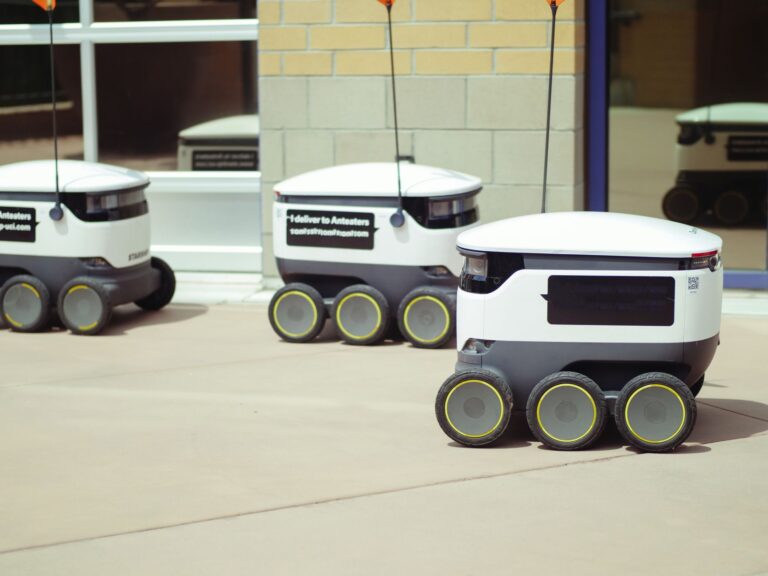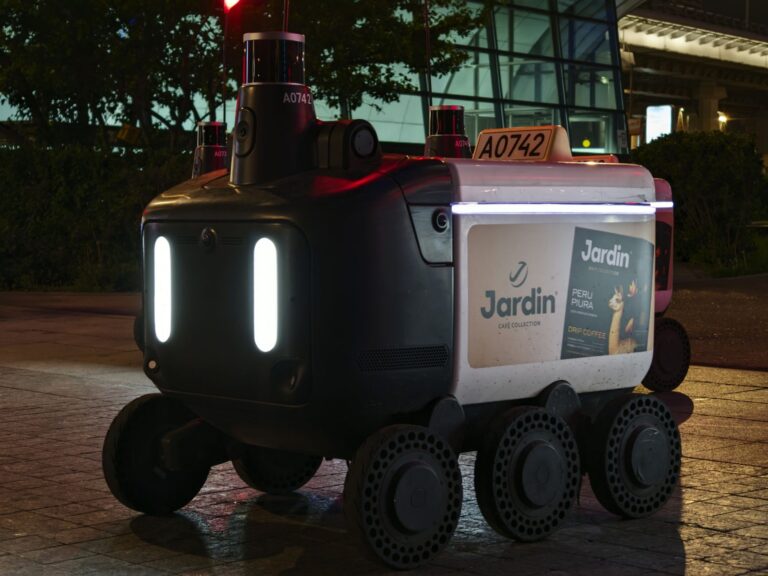

Retail store robots for shelf scanning and cleaning are mobile machines that handle two routine jobs in shops. Shelf-scanning robots check products on shelves, while cleaning robots wash or vacuum floors.
Shelf scanning means using cameras and sensors to record what is on a shelf. Cleaning means automated travel across aisles to remove dust and spills. Both types work alongside staff and shoppers during normal store hours or overnight.
Table of Contents
- What shelf-scanning robots do
- What cleaning robots do
- How they move safely around shoppers
- What to weigh before bringing them in
What shelf-scanning robots do
Shelf-scanning robots travel slowly down aisles and photograph shelves. Software compares those images against the expected shelf layout. Staff then see which items are missing, misplaced, or lacking a readable price label.
These robots do not restock shelves or fix errors themselves. They collect shelf information so workers can refill, straighten, or relabel faster. This division matters because the value depends on staff acting on the reports.
What cleaning robots do
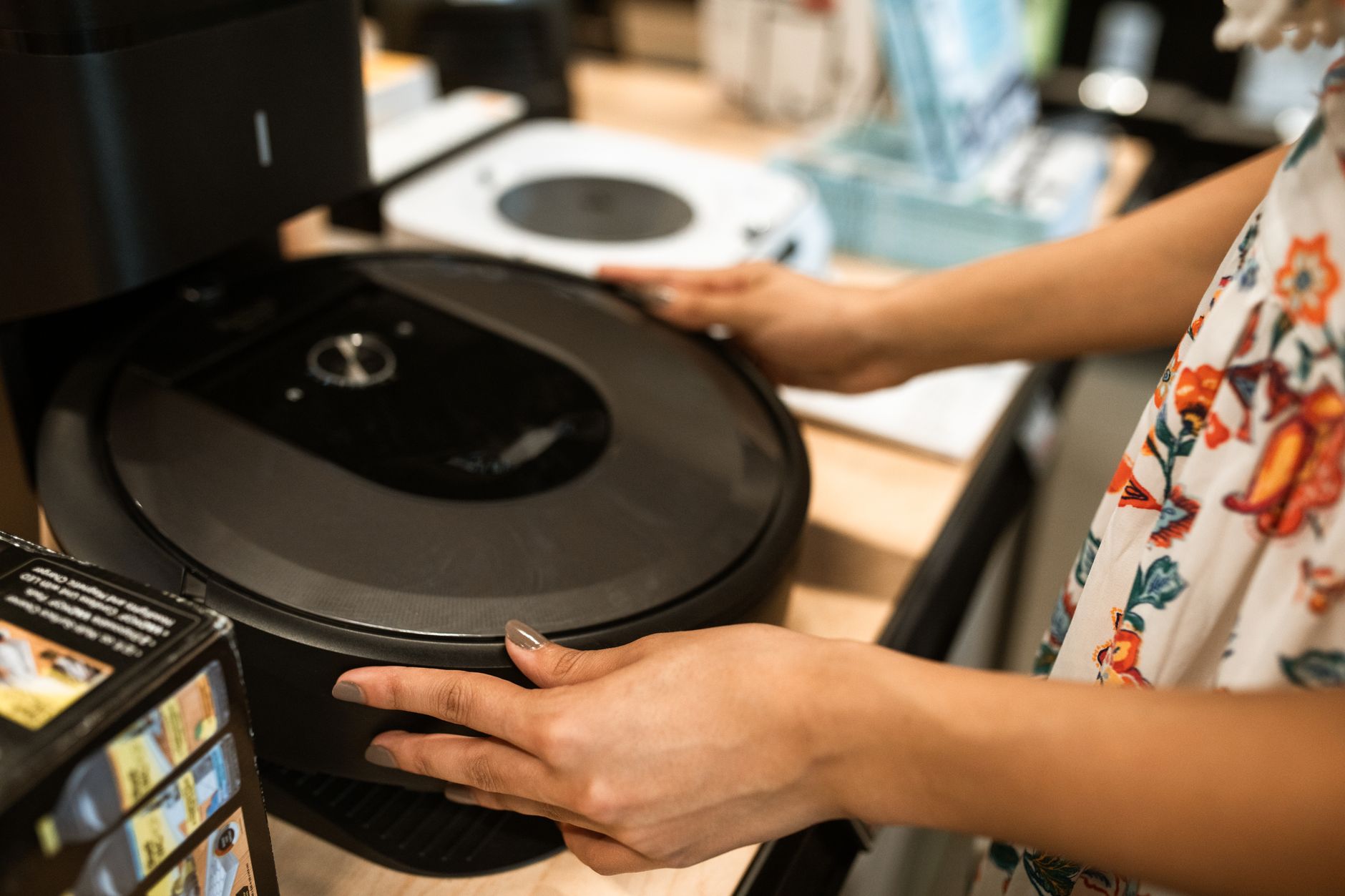
Store cleaning robots focus on floors rather than products. A scrubbing model applies water and cleaning solution, scrubs, then collects dirty water. A vacuuming or sweeping model picks up dust and debris from hard floors and low carpet.
Most models follow a mapped route and return to a dock to charge or empty. Many include sensors that slow or stop the machine near people, carts, or displays. Routine emptying, refilling, and brush care still need human attention.
How they move safely around shoppers
Both types use maps, cameras, lasers, or bump sensors to find a path. A store map marks aisles, checkouts, and no-go zones such as stairs or stockrooms. During a run, sensors watch for sudden obstacles and pause or steer around them.
Busy periods create harder conditions. Narrow aisles, promotional displays, children, pets, and wet floors can block sensors or paths. Common safeguards include:.
- reduced speed in crowded aisles and near corners
- warning sounds, lights, or screen messages
- scheduled runs during quieter hours for larger machines
- staff oversight to move blocking carts or restock pallets
What to weigh before bringing them in
Fit depends on layout, floor type, and shelf style. Wide, stable aisles and clear floor space help both kinds of robots. Cluttered backrooms, loose cables, high thresholds, and frequent layout changes make reliable operation harder.
Stores also need a plan for data and upkeep. Shelf images must connect to accurate product records to be useful. Cleaning machines need water access, disposal, charging space, and regular maintenance. A short trial in one department can reveal blocked routes, lighting problems, and staff workload before wider use.