
Gemini Robotics Embodied Reasoning 2 (ER 2) is available in public preview on Google Cloud through Model Garden. Google Cloud announced the launch on Oct. 27, 2026.
ER 2 is a vision-language model that acts as a robot's high-level brain. It converts video and language input into multi-step plans for physical work. Enterprise developers and robotics teams can start building with it today.
Table of Contents
- What ER 2 does on a robot
- What is new on Google Cloud
- What teams can build now
- What preview status means before production
What ER 2 does on a robot
ER 2 handles high-level reasoning, not low-level motor control. It combines spatial and temporal video understanding with planning for tasks that run for minutes. That lets a system watch progress and adjust the next steps. Google DeepMind describes ER 2 as built on Gemini 3.5 Flash, according to the ER 2 model card.
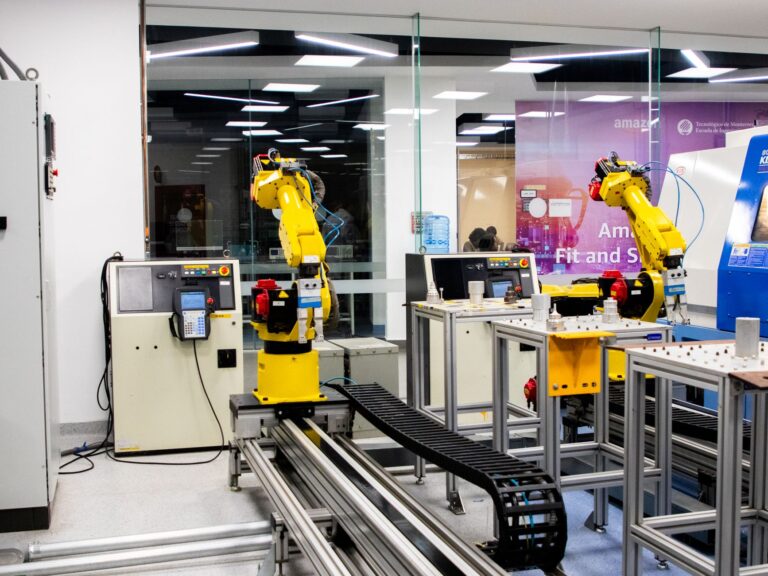
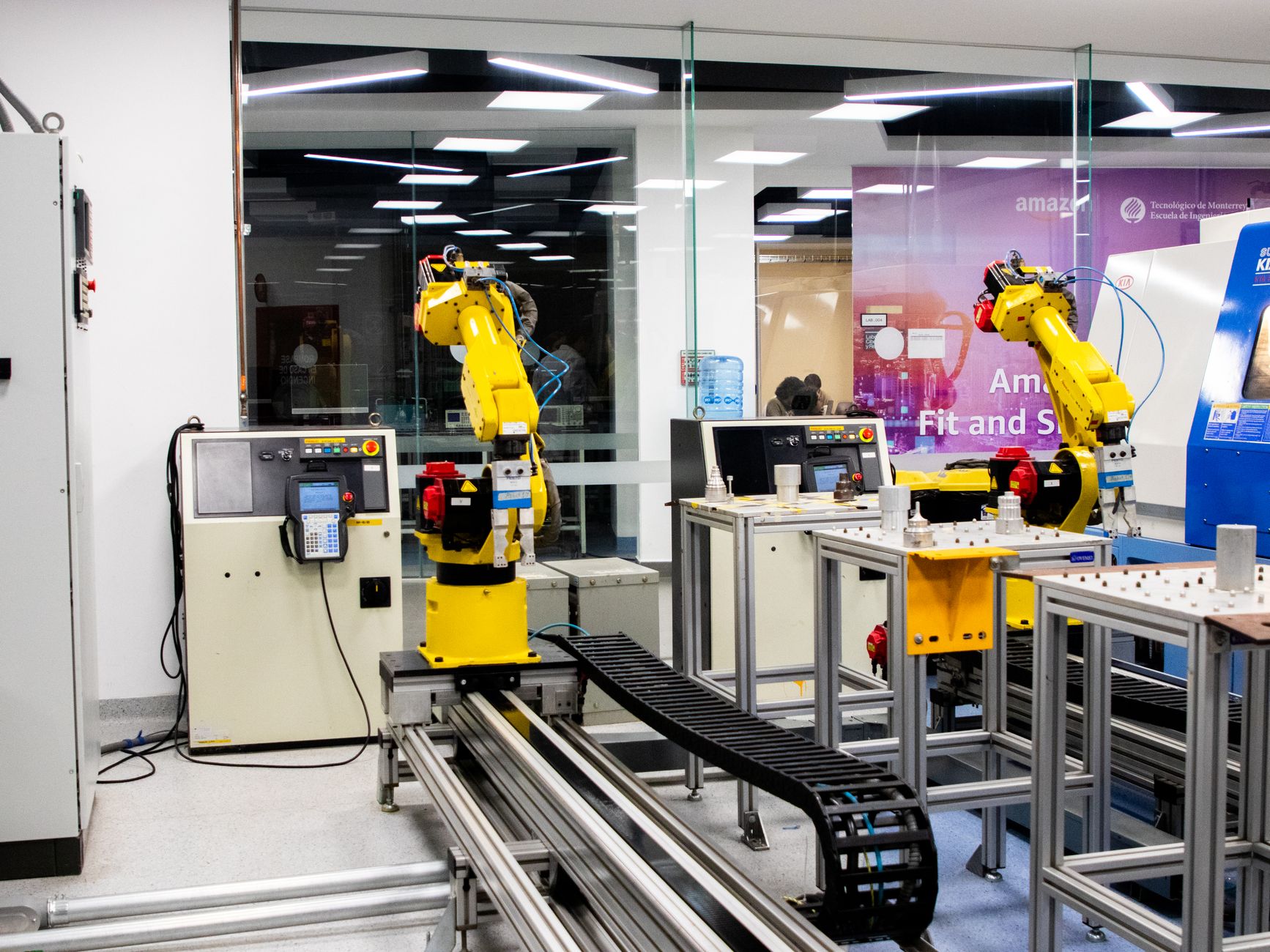
The same source credits improved spatial, temporal and physical reasoning. Those gains support planning, tool use and multi-robot coordination. In practice, ER 2 reads a scene and breaks work into ordered actions. A warehouse arm might locate bins, pick items in sequence and check completion on video. A mobile robot could track a multi-room task and revise its route after an obstacle appears.
What is new on Google Cloud
The Cloud release puts ER 2 on the enterprise path through Model Garden. Google Cloud Blog announced public preview access through the Gemini platform, according to the Cloud announcement. The post is authored by Carolina Parada of DeepMind Robotics and Adrian Jones of Google Cloud. The enterprise framing centers on IAM, security controls and function calling.
Teams manage access with existing Cloud identity policies. They can also link model output to approved actions in other systems. The model identifier is `gemini-robotics-er-2-preview`, including a streaming-preview variant. Developers select that model in Model Garden to begin prototyping. No separate enterprise-agent enrollment is presented as required for this preview route.
What teams can build now
Teams can feed video to track task progress over time. They can issue plan changes in plain language when priorities shift. Built-in function calling connects those decisions to robot controls and business systems under Cloud IAM.
A practical preview workflow looks like this: This approach suits supervised pilots in warehouses, manufacturing cells and lab automation. Engineers keep a person in the loop while testing perception and planning. They can compare video evidence against task milestones before scaling hours or sites.
- Load the preview model in Model Garden and connect a camera feed.
- Define callable robot and software actions, such as grasp, place or update inventory.
- Test video-based progress checks and plain-language overrides before touching hardware.
- Log outputs and permission checks for safety review.
What preview status means before production
Public preview is not general availability. Google DeepMind lists ER 2 availability as public preview through Google AI Studio and the Gemini API, according to the ER 2 model page. Enterprise buyers should therefore expect preview terms, limits and possible changes. That status matters for schedules, budgets and safety cases.
Quotas, pricing, support terms and SLAs may change before general availability. Teams should isolate preview work from production robots and production data. Before the Cloud launch, ER 2 was available through the Gemini API and Google AI Studio from July 30, 2026. Access on the enterprise-focused Gemini Enterprise Agent Platform remained in private preview. Treat the new Model Garden route as the current place to test Cloud IAM and function-calling integration.