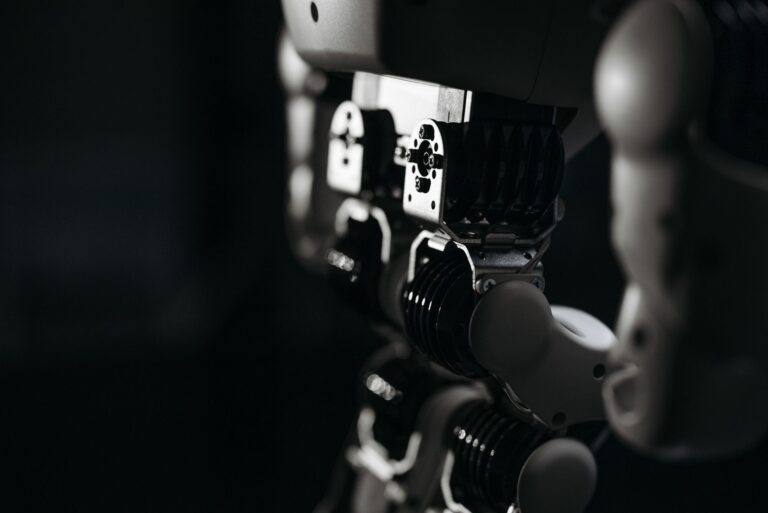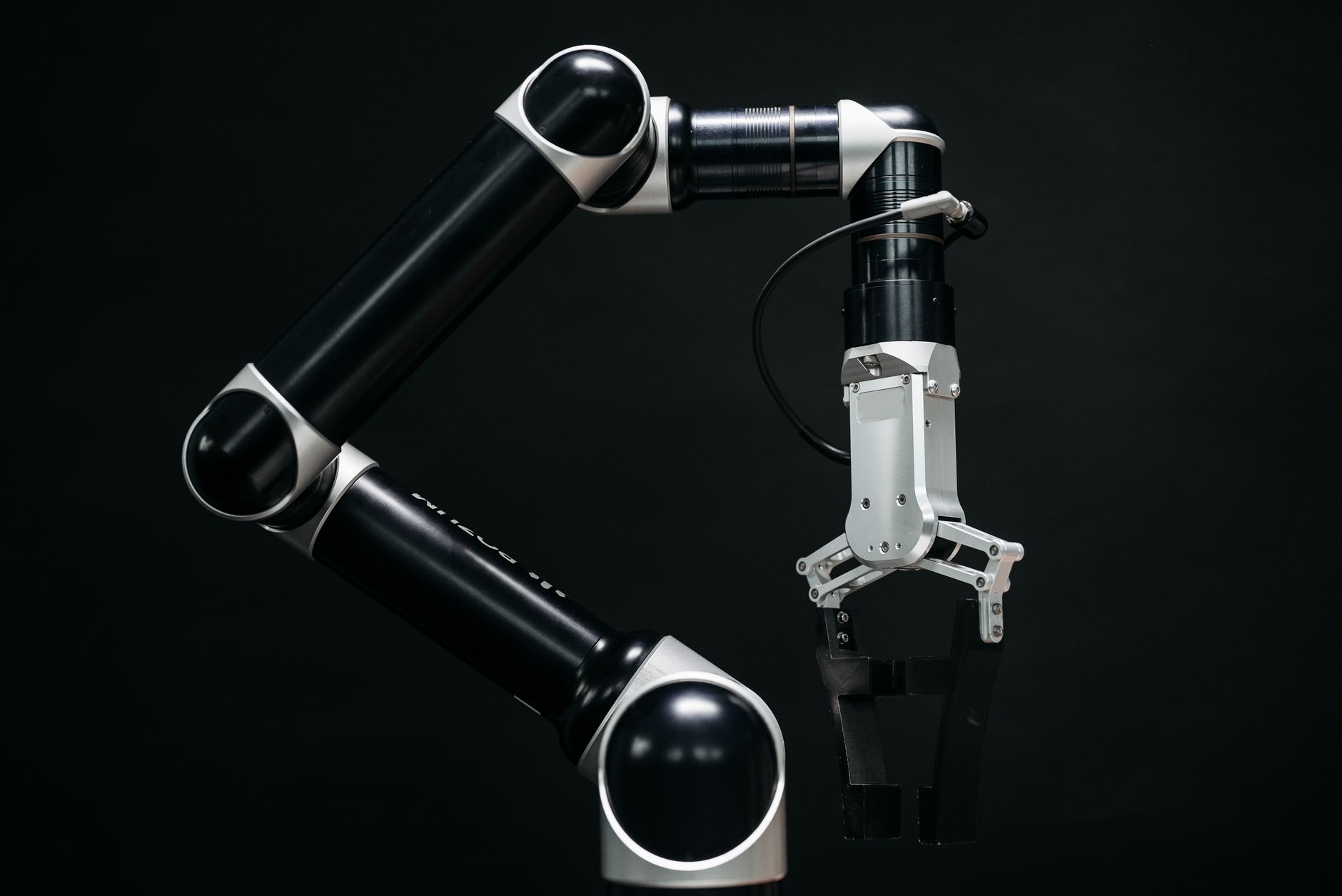

The Impossible Metals seabed mining robot is an autonomous underwater vehicle built to collect seafloor nodules one at a time. It hovers over the bottom, uses cameras and vision software to choose targets, then lifts them with arms instead of dredging. Polymetallic nodules are rock-like lumps that rest on deep-ocean sediment and hold battery metals. For robotics readers, the key idea is selective harvesting: sense, decide, and grasp each object while leaving water, mud, and most life in place.
Table of Contents
- Why collect nodules one by one?
- How does it find and recognize targets?
- How does pickup work without dredging?
- How would a mission run in practice?
- Frequently Asked Questions
Why collect nodules one by one?
Conventional seabed concepts drag a collector or jet water to sweep material. That approach gathers nodules plus sediment and animals, then separates them inside the machine. Selective pickup is designed to break that chain by taking only the target.
Each grasp aims to leave surrounding mud largely undisturbed. Less disturbance means a smaller sediment cloud, clearer camera views, and less material to sort. For operators, the trade is speed for precision.
How does it find and recognize targets?
The vehicle carries lights, cameras, and sonar for close-range mapping. Machine vision scans the bottom for shape, texture, and color, then sorts nodules from rocks, debris, and visible animals. Only objects that pass that filter become grasp candidates.
Station-keeping matters as much as vision. Thrusters hold position and height while currents push and the payload grows heavier. Stable hovering lets the same camera see a nodule, estimate its pose, guide the arm, and check the result.
How does pickup work without dredging?
In the described design, the vehicle lowers itself to grasp height and extends an arm to the chosen nodule. The end tool lifts or draws the nodule in, then places it in an onboard basket.
Contact stays limited to the target and a small patch around it. A work cycle looks like this:.
- scan a strip of bottom and build a local map
- rank nodules and skip non-targets
- hover, reach, grasp, and stow one nodule
- log position and image for each take
How would a mission run in practice?
The vehicle launches from a surface vessel, dives on its own, and surveys until its basket fills or energy runs low. It then returns to the surface, offloads nodules, recharges, and downloads imagery and mission logs. Supervisors review takes, misses, and skips before the next dive.
Endurance, payload volume, terrain, and visibility set the real limits. Uneven ground, buried nodules, dense marine life, and murky water slow decisions and force more skips. A practical check is payload per dive, because every return to the surface costs time and energy.
Frequently Asked Questions
Does it cut or drill the seafloor?
No. The design avoids cutting and dragging and lifts loose nodules from the surface of the sediment.
What does the AI actually decide?
It distinguishes likely nodules from surrounding material, selects which ones to take, and guides hover position and arm motion for each grasp.