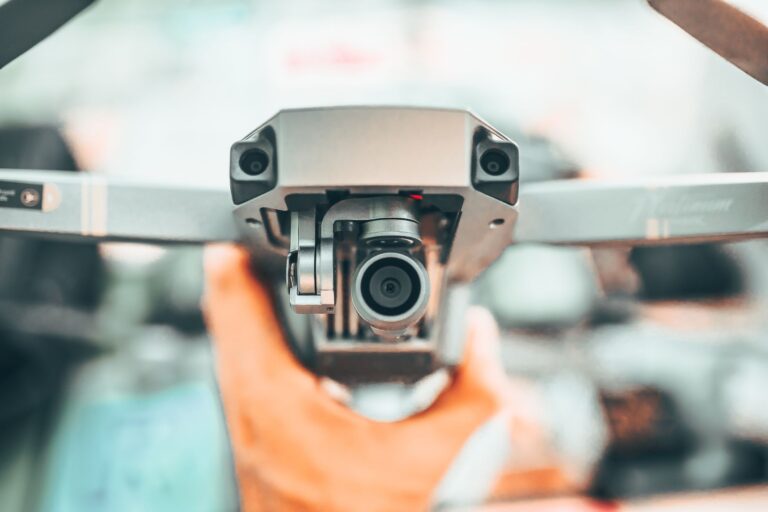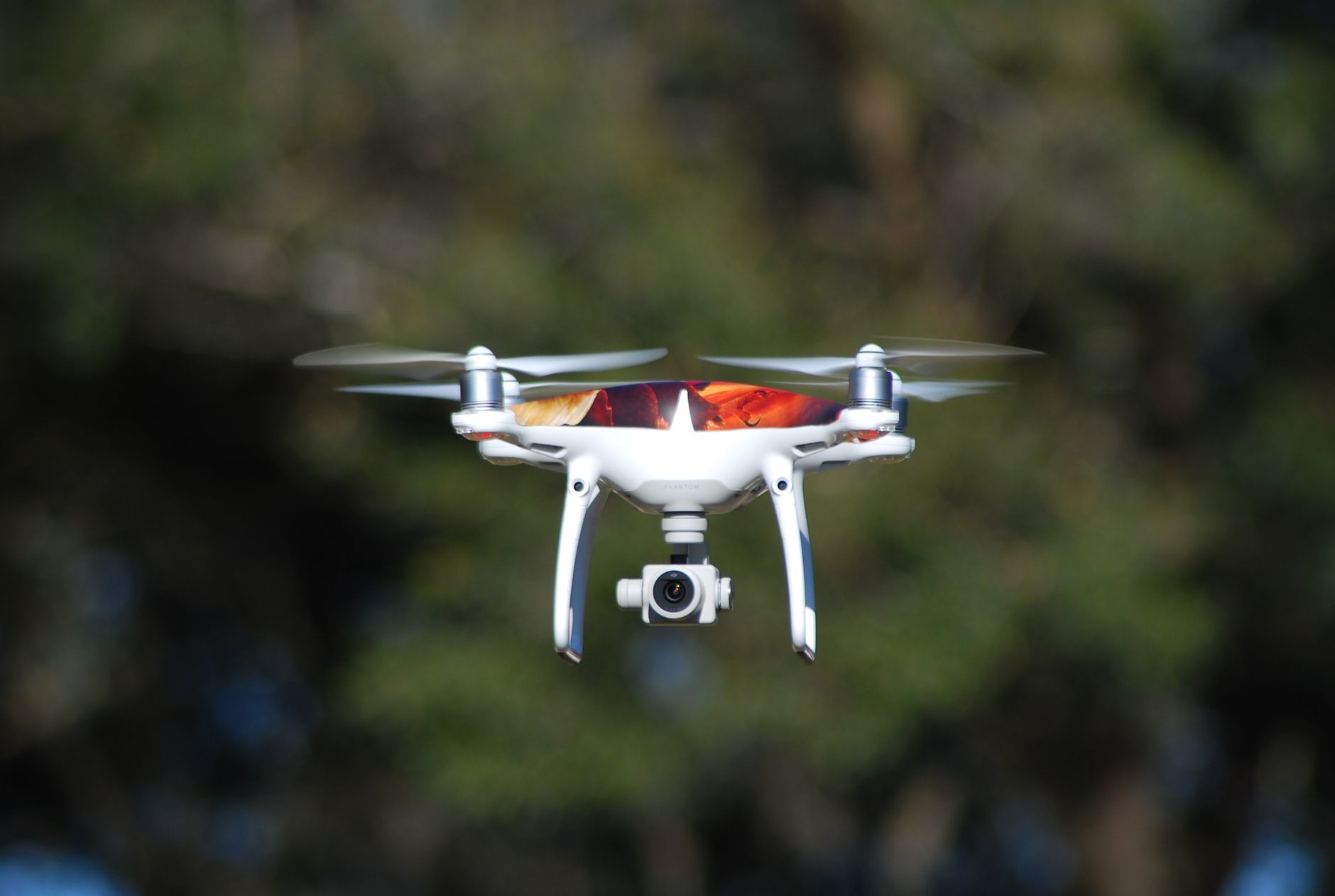

Aerial robots in 2026 are uncrewed flying machines, from camera drones to insect-scale research robots. They affect commercial operators, public-safety teams, infrastructure owners, and recreational flyers, with new traffic rules advancing and lab designs getting faster and tougher. The practical shift is from exceptions to routine operations. Long-distance flights still need special permission in the United States, identification is now standard, and protected sites may gain new no-fly options.
Table of Contents
- Who should pay attention now?
- How will U.S. long-distance flights work?
- What identification and airspace rules apply?
- What does the latest flight research prove?
- What should you do before you fly?
Who should pay attention now?
Commercial pilots planning inspections, mapping, or corridor flights face the largest change. Routine beyond-visual-line-of-sight permission would expand what one crew can cover in a day.
Nearby recreational flyers and infrastructure owners are also affected. Fixed sites in energy, water, transport, and chemical sectors could request flight restrictions under a new FAA process proposed in May 2026, according to the FAA Newsroom announcement.
How will U.S. long-distance flights work?
The FAA proposed Part 108 in August 2025 to replace case-by-case beyond-visual-line-of-sight waivers with routine approvals for drones up to 1,320 pounds plus third-party traffic services, described in the Part 108 readiness guide from an industry training provider. That change would matter for pipeline, rail, utility, and rural-area operations.
The draft final rule was under White House OIRA review as of July 10, 2026, so operators must still use Part 107 waivers or Section 44807 exemptions for those flights, according to the FlightBrief regulation tracker summarizing FAA status. Plan bids, timelines, and safety cases around the current waiver path.
What identification and airspace rules apply?
Most U.S. drones over 250 grams must broadcast identification and location as a digital license plate. The FAA Aeronautical Information Manual explains compliance through built-in capability, an add-on module, or flight only in a FAA-Recognized Identification Area, detailed in the FAA airspace manual.
Europe is moving separately. The European Commission and EASA announced a U-space Light framework in Luxembourg on June 10, 2026 to simplify drone-traffic zones. Information-security requirements phase in from February 2026, with full reform not expected before 2031.
What does the latest flight research prove?
MIT engineers demonstrated an insect-scale microrobot that flies with speed and agility near a bumblebee. The team reported about 450% more speed and 250% more acceleration than prior versions, plus 10 somersaults in 11 seconds.
UC Davis, UCLA, and MIT also reported a lightweight soft flying robot that takes off independently and survives collisions and compression around 11,000 times its weight. Testing remains lab-stage, so field use for cluttered buildings, crops, or disaster rubble is not yet proven.
What should you do before you fly?
Match your paperwork to your mission. Recreational flyers and new commercial pilots face different tests, registrations, and airspace checks. Early 2026 had over 800,000 registered drones, according to FAA figures cited by the Associated Press, so expect company airspace and crowded parks to require extra coordination.
- Take the free online TRUST safety test if you fly for fun, then carry proof.
- Earn a Part 107 Remote Pilot Certificate before paid work.
- Register relevant drones and request airspace authorization where required.
- Check for local restrictions around energy plants, water sites, airports, and emergency scenes.