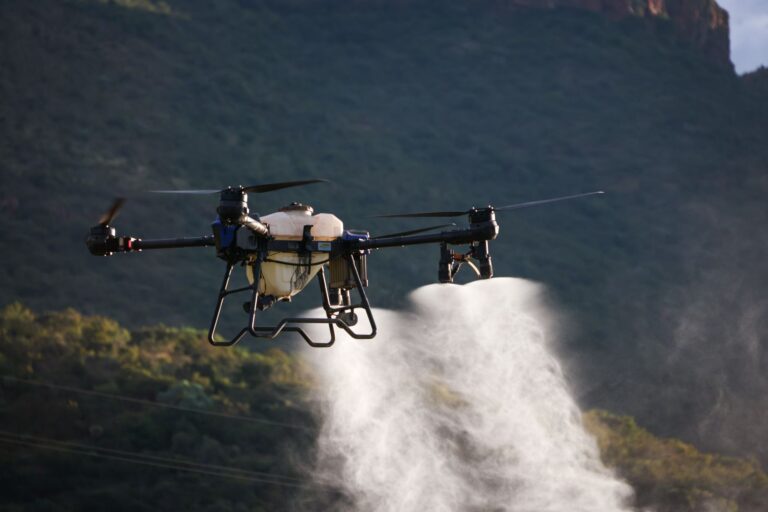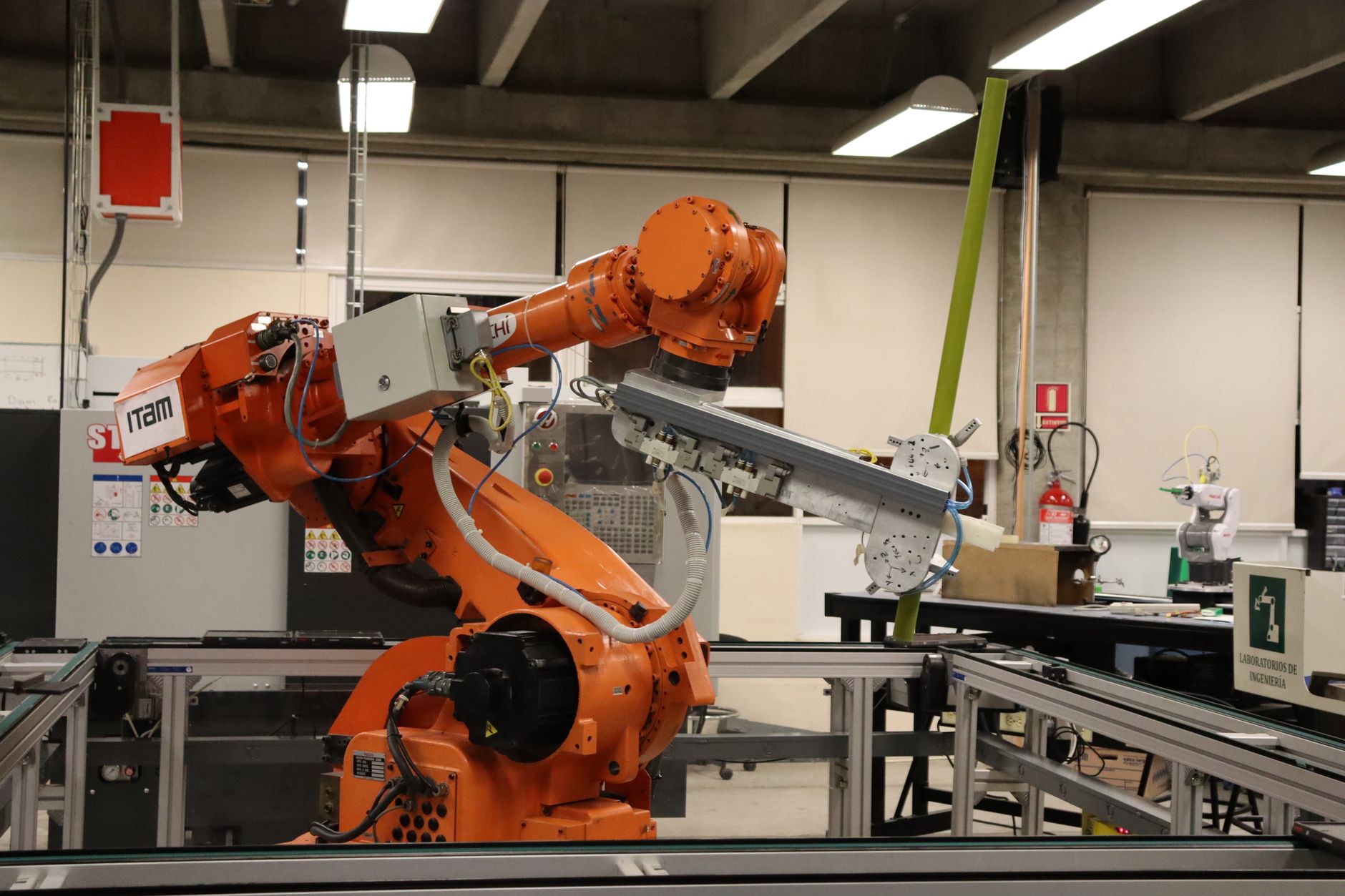

The Farm Robotics Challenge has opened registration for its fifth edition, part of the 2027 competition season, with teams now able to sign up across three new skill-level divisions. The 2027 season launched on September 15, 2026, and introduces a Startup pathway alongside the traditional student competition, according to a UC ANR Innovate/AIFS press release. The event is organized jointly by UC ANR Innovate and the AI Institute for Next Generation Food Systems (AIFS), based at UC Davis, and challenges student teams to design and build robots that solve real agricultural problems, according to UC ANR. Agri-Pulse confirmed this is the fifth edition of the challenge in its coverage of teams signing up for the 2027 season.
Official resources:
- Read the official notice from Ucanr — Use this primary source to verify the official announcement.
- Register through Farmroboticschallenge’s official page — Use this page to review requirements and register directly.
Table of Contents
- Who can enter, and in which division?
- What is the new Startup pathway?
- What are the registration deadlines and fees?
- How does this compare to the previous season?
- What should a prospective team do first?
Who can enter, and in which division?
The 2027 season sorts teams into three divisions by education level. Division I is for four-year college and university students, with graduate students capped at half of any team's roster; Division II is for students at two-year community colleges and trade schools; and Division III covers middle and high school teams in grades 7 through 12, according to the Farm Robotics Challenge's official site. This three-division structure replaces a competition that was previously open only to college-level teams.
UC ANR reports that eligibility for 2027 now spans middle school through graduate school, a deliberate widening meant to bring younger students into agricultural robotics earlier, according to UC ANR's launch announcement. A team picks the division that matches its members' current education level, not the complexity of its proposed robot. A high school team and a graduate engineering team are not competing against each other, since each division runs its own track through the season.
What is the new Startup pathway?
Alongside the three education divisions, the 2027 season adds a Startup pathway for teams that are committed to forming a company around their robotics work. This track is backed by more than $200,000 in combined prizes and startup support, according to Wine Industry Advisor's coverage of the 2027 launch.
The pathway marks a shift from the challenge's earlier, purely academic format. Where the student divisions are organized around education level and a capstone competition, the Startup pathway is organized around commercialization, giving teams with viable technology a route toward an actual company rather than just a prize. A team deciding whether to enter the Startup pathway should weigh whether it genuinely intends to pursue a business, since the pathway's support is structured around that commitment rather than around a one-off student project.
What are the registration deadlines and fees?
Pre-registration for the 2027 season opened on August 3, 2026. Full registration and project proposals are due November 13, 2026, final projects are due May 2, 2027, and the season concludes with an awards event in 2027, according to the Farm Robotics Challenge's official site.
Each team submits one pre-registration form and pays a $100 team registration fee for the 2027 competition, according to the Farm Robotics Challenge's participation page. A single $100 fee and a single form cover the whole team, not each individual member. Teams considering entry should plan their timeline around the November 13 proposal deadline first, since that is the point at which a team's project direction is locked in for the roughly six-month build period that follows.
How does this compare to the previous season?
The fourth Farm Robotics Challenge, held for the 2026 season, drew nearly 100 student teams from 13 countries competing for a $50,000 grand prize, according to coverage from UC ANR and Wine Industry Advisor. That scale established the baseline the fifth edition is now building on with its expanded division structure and added funding track.
The 2027 season's changes — three divisions instead of a single college-only tier, an added middle and high school track, and a Startup pathway with over $200,000 in backing — represent the broadest version of the competition to date. Teams returning from the 2026 season should expect a materially different format, not simply a renewed version of the same contest.
What should a prospective team do first?
A team weighing entry has a short list of practical steps to work through before the November deadline: Teams that miss the proposal deadline have no stated path back into the 2027 season under the official schedule, so the November date is the one to calendar first.
- Confirm which division fits the team's current education level — Division I, II, or III — since the divisions are not interchangeable.
- Decide whether the team intends to pursue a company, which determines whether the Startup pathway applies.
- Submit the single pre-registration form and $100 registration fee per team, not per member.
- Build toward the November 13, 2026 project proposal deadline, then the May 2, 2027 final project deadline.