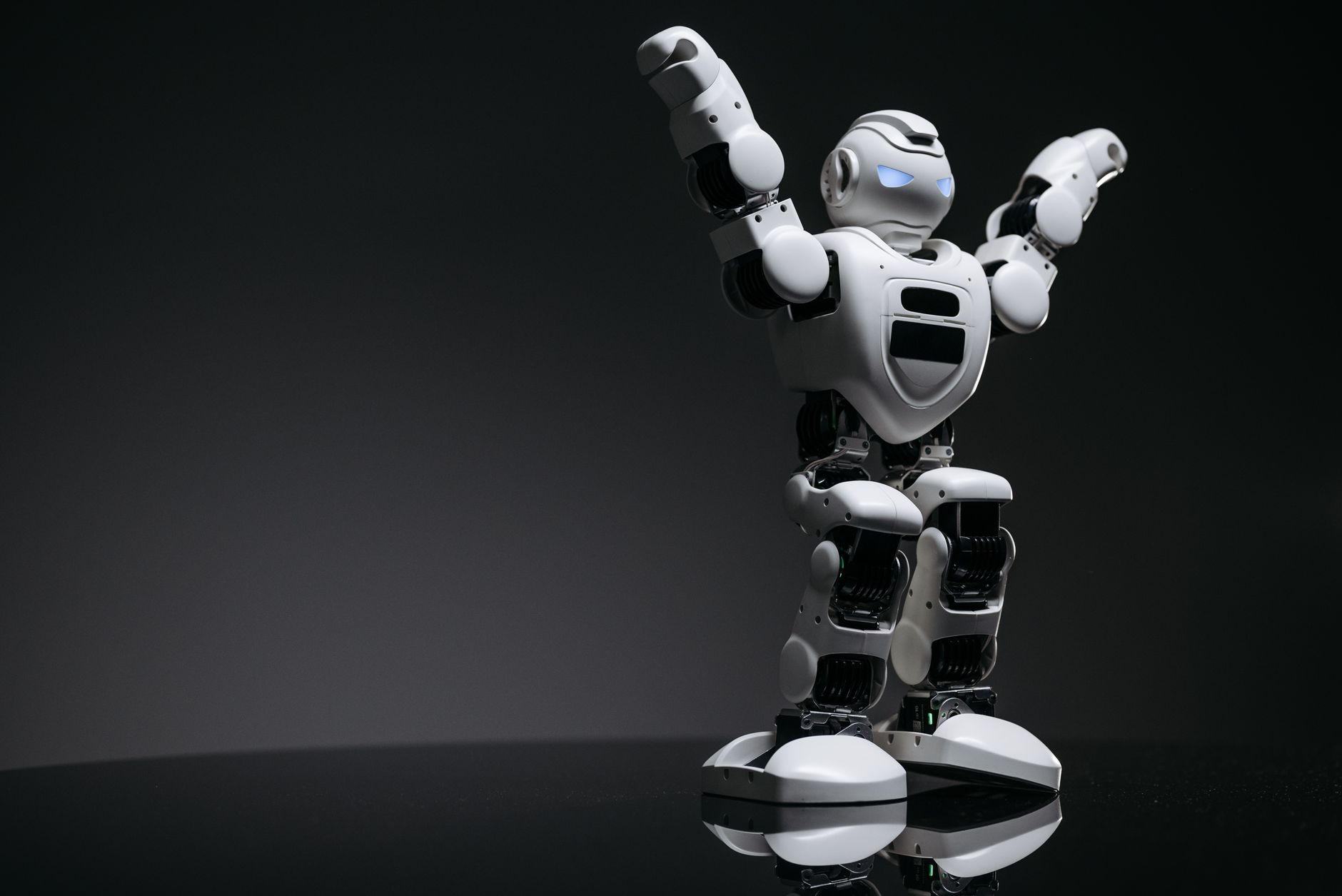

Max learns to see through front torso and upper-frame cameras paired with microphones, fusing computer vision, speech recognition and object recognition to interpret people and rooms. Onboard Nvidia Jetson Thor processes that visual and sensor stream to steer movement and domestic navigation. Max is a 1.5-meter, 48-kg humanoid prototype built in about three months with Shanghai-based Fourier as an internal-research body for Meta's Muse AI agent. TechQuire describes that partnership as the hardware path for testing Muse in a household form TechQuire on the Fourier-built Max body.
Table of Contents
- Which sensors feed its view?
- How far away can Max notice you?
- How does sight become safe movement?
- How does Max show what it sees?
- Frequently Asked Questions
Which sensors feed its view?
Cameras in the front torso and upper frame give Max overlapping views of people and room layout. Microphones add direction and identity to sound, so speech complements sight.
360 Angola reports that combination lets Max link a face, a voice and nearby objects into one scene 360 Angola on Max perception hardware. Muse supplies spatial perception, language understanding and navigation, so multimodal AI acts through the bipedal chassis. TechNode describes that software layer as the link between seeing a room and moving through it TechNode on Muse spatial perception.
How far away can Max notice you?
Meta set practical home targets for first contact. Interesting Engineering reports a voice-recognition target of 5 meters and a wave-or-gesture target of 3 meters Interesting Engineering on home-perception targets. For a reader testing the idea at home, that means:.
- speak from across a living room and expect pickup
- raise a hand or wave from couch distance to get noticed
- move closer in noise, poor light or clutter
How does sight become safe movement?
The Mac Observer reports that Jetson Thor handles visual data, sensing, movement control and domestic navigation without hitting furniture. That onboard processing keeps reaction time short inside a home. It also lets perception run during walking, turning and reaching.
The task is household navigation, not factory mapping. Max must track chairs, doorways, people and small objects while staying upright. Vision, speech and object labels feed one control loop for step choice and avoidance.
How does Max show what it sees?
Max is designed to hold eye contact during conversation. It also displays status cues for listening, thinking, speaking or uncertainty. All Things Muse, citing The Information reporting, describes those signals as feedback for the person speaking All Things Muse on eye contact and status cues.
The planned Max 2 adds a projector, redesigned torso, improved hands and extra sensors to improve mapping and handle stairs. Those figures are reported development targets for household help. Meta says Max is internal research with no sale plan.
Frequently Asked Questions
Does Max send video to the cloud to see?
Reported designs place visual processing, sensing and movement control on onboard Jetson Thor compute for in-home navigation.
Can I buy Max for home help?
Meta says Max is internal research with no sale plan, so treat current perception figures as development targets.


