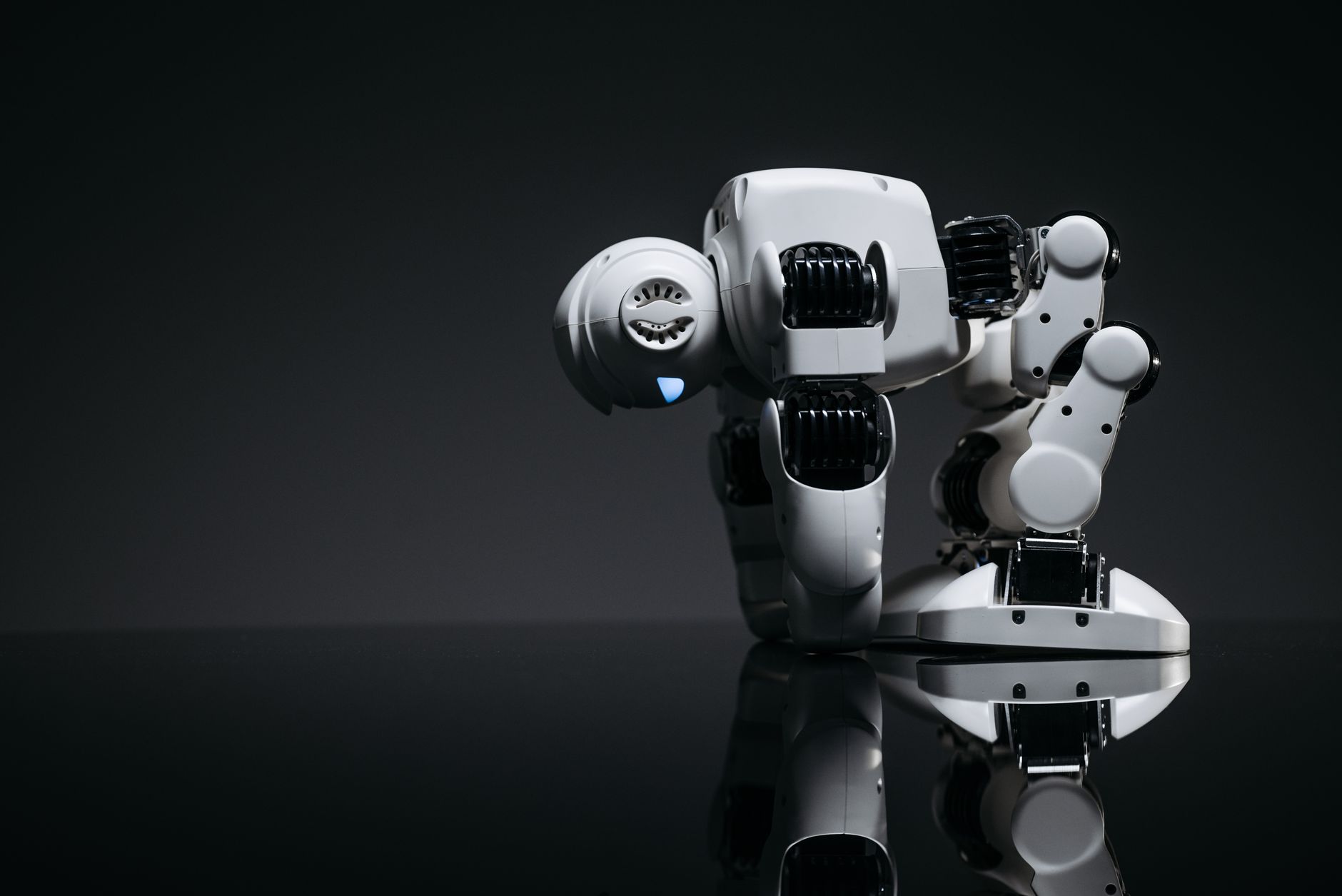

Sony’s aibo robot companion faces an uncertain future in Japan as the company shifts its product strategy away from the consumer robotics pet market. The aibo, an AI-enabled robotic dog that has been a symbol of Sony’s commitment to home robotics for decades, represents a significant withdrawal from a niche but dedicated segment of robot enthusiasts and early adopters. This discontinuation marks a turning point in the evolution of consumer robotics, signaling that even well-established brands must reassess their commitment to hardware platforms that require ongoing software support, spare parts logistics, and customer service infrastructure.
The decision to cease aibo sales in Japan—the product’s primary market and home territory—raises questions about the viability of high-priced companion robots as a mainstream product category. Unlike traditional pets, aibo units depend on cloud connectivity, regular software updates, and a network of service centers. When a manufacturer discontinues a connected device, owners face the prospect of diminishing support, eventual cloud service shutdowns, and an endpoint date for a product that was sold with promises of long-term companionship.
Table of Contents
- Why Is Sony Discontinuing the aibo in Japan?
- The Challenge of Supporting Connected Robotic Devices
- What This Means for Current aibo Owners
- Comparing aibo to Other Consumer Robotics Platforms
- The Broader Robotics Market and Consumer Expectations
- What Happens to the robotics Pet Concept
- Legacy and the Future of Connected Consumer Hardware
- Frequently Asked Questions
Why Is Sony Discontinuing the aibo in Japan?
Product discontinuation decisions typically reflect a gap between development costs and market demand, a calculation Sony appears to have made after years of aibo availability. The robotics pet market, while growing in interest, remains fundamentally small compared to other consumer electronics segments. aibo units cost between $1,500 and $3,000 at launch, placing them firmly in premium territory and limiting their addressable market to affluent hobbyists and technology collectors rather than mainstream households.
manufacturing and supply chain complexity is another significant factor. Producing a quadruped robot requires precision engineering, quality control, and assembly processes that are far more demanding than conventional consumer products. Any disruption—from semiconductor shortages to component sourcing—can quickly make production uneconomical. Additionally, the ongoing software maintenance burden is substantial: Sony must continue funding cloud infrastructure, security updates, and compatibility testing with new devices and services, all to serve a relatively small installed base.
The Challenge of Supporting Connected Robotic Devices
Discontinuing a connected device creates a unique problem that owners of traditional robotic toys never face. Unlike a wind-up or battery-powered toy that functions independently, aibo relies on cloud services for AI features, updates, and full functionality. When Sony eventually shuts down aibo servers—a decision that often comes years after production ceases—the devices become severely limited or non-functional, effectively becoming expensive digital waste despite their physical durability.
This is not a hypothetical concern. Sony previously discontinued aibo in 2006 due to lack of profitability, leaving owners of original models from the 1990s and early 2000s with devices that had limited ongoing support. Many current aibo owners face similar anxiety: their robots may be functional today, but without guarantee of service longevity, they are purchasing hardware with an implicit expiration date. The company would need to commit to server support for a period of time after production ends, but even such commitments are limited.
What This Means for Current aibo Owners
Existing aibo owners in Japan and worldwide will likely experience a gradual decline in support rather than an immediate shutdown. Sony typically maintains service operations after production ends, though this period varies. Current owners should expect repair services and spare parts to become increasingly difficult to source over time, a real problem for owners who rely on Sony service centers for maintenance rather than self-repair.
The resale market for used aibo units may temporarily spike as collectors recognize that fewer new units will enter the market, potentially driving up prices for well-maintained models. However, this appreciation is illusory—as cloud services decline and the product becomes fully obsolete, resale value will eventually collapse. Owners who purchased aibo as an investment, banking on collectible status similar to vintage Japanese robots, may find their assumptions incorrect in the era of connected devices.
Comparing aibo to Other Consumer Robotics Platforms
The aibo discontinuation follows a broader pattern in consumer robotics. Boston Dynamics sold its Spot robot to relatively few customers before pivoting to lease models rather than outright sales, recognizing that the service and support burden of owned units is commercially unsustainable. Robot vacuum manufacturers like iRobot have survived by building much larger markets where production volumes justify ongoing R&D spending, even as the underlying business model remains challenged.
In contrast, toy robotics platforms with lower price points—such as various AI-enabled robotic toys under $500—have found larger markets, though they often offer less sophisticated AI and autonomy. The aibo occupied an uncomfortable middle ground: expensive enough to require professional support infrastructure, yet not mass-market enough to benefit from the economies of scale that would make that infrastructure profitable. This positioning problem is not unique to aibo; it affects most humanoid and quadruped robots in the consumer space.
The Broader Robotics Market and Consumer Expectations
Sony’s aibo discontinuation should serve as a cautionary tale for consumers considering other high-priced connected robots and autonomous systems. The lifetime of such devices is not determined solely by the quality of their hardware or the sophistication of their software, but by the manufacturer’s willingness to support them commercially over a 10, 15, or 20-year span. Potential buyers of any consumer robot should investigate the manufacturer’s history of long-term support: Has the company maintained servers for discontinued products? What is the timeline for cloud service support? Are there offline modes that preserve core functionality? These questions matter far more for a $2,500 robot than for a $15 toy, yet they receive surprisingly little attention from enthusiasts focused on technical specifications and initial reviews.
What Happens to the robotics Pet Concept
The discontinuation does not eliminate demand for robot companions; it merely reflects Sony’s choice to exit the market. Smaller companies, research institutions, and startups continue developing robot pets with different target markets—elderly care homes, therapeutic settings, or educational institutions—where the use case justifies the cost and support burden differently than consumer retail.
Japan’s aging population and labor shortage in caregiving roles have created institutional demand that might sustain robotics pet development even as consumer retail demand proves insufficient. The emotional attachment that aibo owners report—treating their robots as genuine companions despite knowing they are machines—highlights a genuine human need that remains unmet by other product categories. Whether future entrepreneurs can build a sustainable business around this need remains unclear, but the aibo’s exit suggests that the Sony brand and robotics expertise alone were insufficient to overcome the fundamental economics of this market segment.
Legacy and the Future of Connected Consumer Hardware
The aibo’s trajectory reflects a harsh reality in consumer electronics: innovation and sophistication do not guarantee commercial viability or longevity. A robot that can recognize its owner, learn behaviors, and connect to cloud services is objectively more impressive than a plush toy, yet the latter’s manufacturer may thrive while Sony exits the market.
The discontinuation will likely accelerate discussions among consumer electronics manufacturers about the true cost of supporting connected devices indefinitely and whether such commitments should even be made to consumers. For people who own aibo units or are considering purchase, the discontinuation is a reminder that connected hardware represents a different value proposition than traditional products. The device itself may last decades, but its ability to function as intended—to learn, update, and connect—depends on decisions made by a corporation thousands of miles away, in a market that may shift at any moment.
- —
Frequently Asked Questions
Can I still buy aibo if it’s being discontinued?
Existing inventory may remain available through retailers for a limited period after Sony stops manufacturing. After that, only used units will be available through secondary markets. The timing of production cessation varies, so checking with authorized Sony retailers for current availability is necessary.
What will happen to aibo’s cloud services?
Sony has not announced specific timelines for cloud service shutdowns. Historically, the company has maintained server support for a period after discontinuation, but consumers should not assume indefinite availability. Existing owners should plan for the eventual loss of AI and update features.
Is aibo dead forever?
Sony has discontinued aibo previously, in 2006, then reintroduced it in 2018. Whether the company will develop aibo robots again depends on future market conditions and strategic decisions that are impossible to predict currently.
What should I do if I own an aibo?
Enjoy the unit while cloud services remain available. Document maintenance needs early while repair parts and service are accessible. Do not treat aibo as an investment or expect long-term value retention.
Are there alternatives to aibo?
Several companies offer robot pets and companions, though few at aibo’s price point and sophistication. Options include therapy robots designed for elderly care, educational robotics platforms, or lower-cost toy robots with more limited AI capabilities.