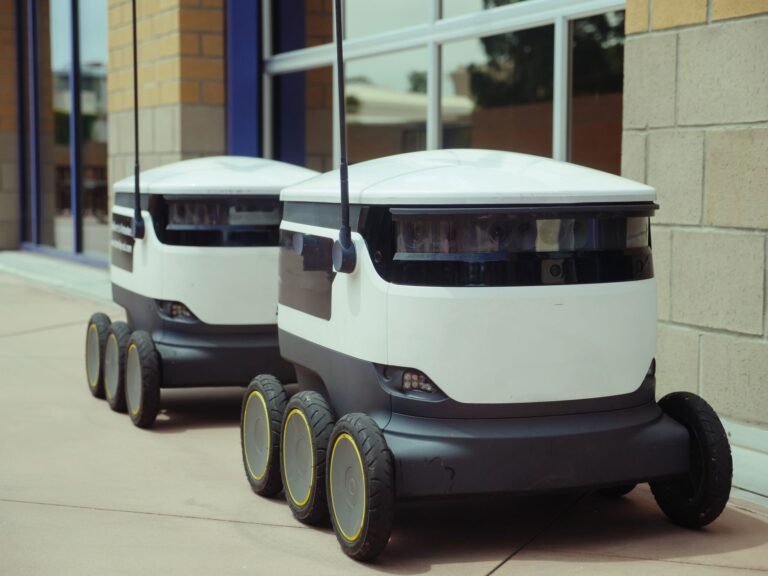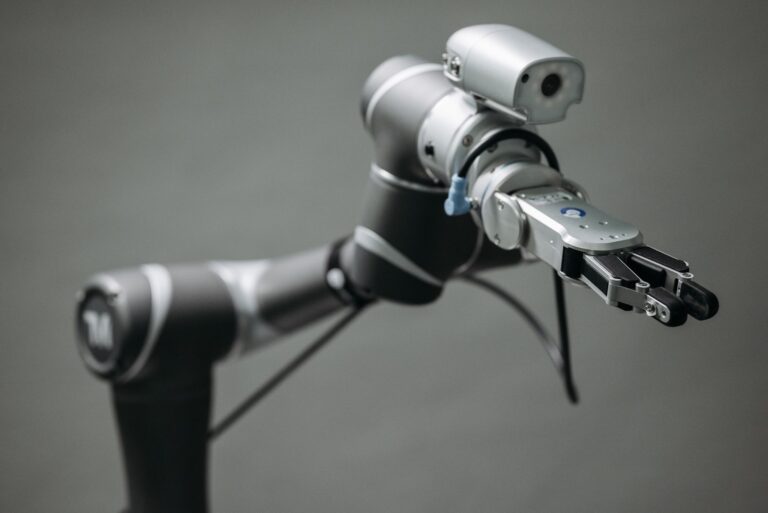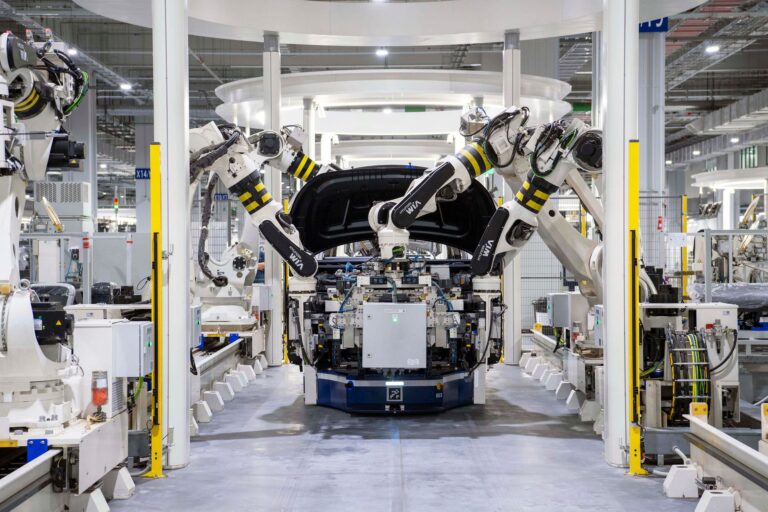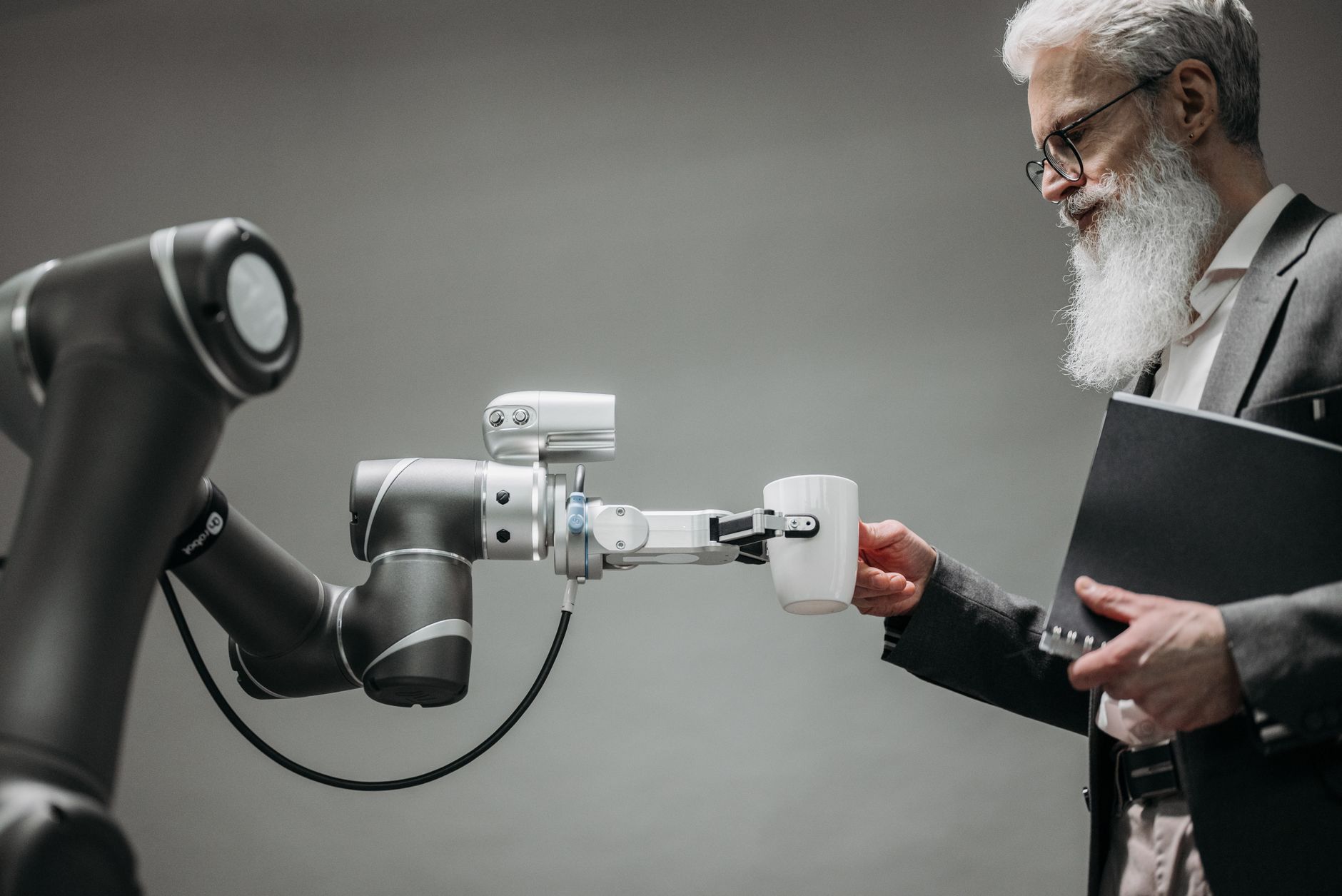

BMW has been integrating advanced robotic systems into its manufacturing and logistics operations to enhance warehouse efficiency and labor productivity. The automaker’s move toward humanoid robotics reflects a broader industry trend where manufacturers are deploying robots that can perform tasks originally designed for human workers—picking, placing, and sorting items in high-volume warehouse environments. This shift addresses a persistent challenge in logistics: maintaining operational speed while managing labor constraints and repetitive work that leads to worker fatigue and injury.
BMW’s interest in humanoid robotics stems from the specific advantages these machines offer over traditional industrial robots. Unlike fixed automation systems bolted to factory floors, humanoid robots can navigate unstructured warehouse spaces, adapt to layout changes, and handle objects with varying shapes and sizes. The appeal is straightforward: a robot that can work alongside human employees, learning warehouse layouts quickly and operating in environments not specifically engineered for automation.
Table of Contents
- Why Humanoid Robots Matter for Warehouse Operations
- The Reality of Humanoid Robots in Warehouse Environments
- Industry Examples of Robot Warehouse Deployment
- Economic Tradeoffs and Implementation Challenges
- Reliability and Maintenance Concerns
- The Workforce Transition Question
- Long-Term Positioning in Logistics and Manufacturing
- Frequently Asked Questions
Why Humanoid Robots Matter for Warehouse Operations
Warehouse automation has traditionally relied on specialized systems—conveyor belts, automated guided vehicles, and gantry systems—each optimized for specific tasks but expensive to reconfigure. humanoid robots offer a different value proposition: flexibility. They can work in existing warehouse spaces without requiring extensive infrastructure changes. A robot that matches human proportions and movement can navigate doorways, use stairs, and operate in areas designed for people, making deployment faster and cheaper than traditional factory automation.
For BMW, the efficiency gains matter enormously at scale. A large manufacturing facility might move hundreds of thousands of parts daily between storage, assembly lines, and shipping areas. If humanoid robots can reliably handle a portion of this work—whether picking items, placing them on pallets, or organizing inventory—the cumulative time savings translate to faster order fulfillment and lower per-unit labor costs. The catch is uptime and reliability; a robot malfunction in a continuous-flow warehouse can create bottlenecks just as surely as an injured worker taking time off.
The Reality of Humanoid Robots in Warehouse Environments
Humanoid robots still face material limitations in real warehouse conditions. They move slower than purpose-built industrial systems, typically operating at walking pace rather than the speed of a conveyor system or robotic arm. Tasks that require fine motor control—like delicate handling of fragile items—remain challenging. Many current humanoid platforms struggle with stairs, crowded aisles, and uneven floors, which are common in active warehouses where people are also working. Another significant consideration is safety and liability.
When a humanoid robot works in an environment with human employees, companies face questions about injury prevention, insurance coverage, and labor law compliance. A robot that falls or loses grip on a heavy item creates hazards. Warehouses operating with mixed human-robot teams require redesigned workflows, new safety protocols, and employee retraining. This implementation burden is often underestimated in ROI calculations, sometimes adding months to deployment timelines. The technology also remains expensive—most commercial humanoid platforms cost hundreds of thousands of dollars per unit, making the economic case only viable for high-volume, labor-intensive operations.
Industry Examples of Robot Warehouse Deployment
Several logistics and manufacturing companies have begun testing humanoid and advanced mobile robots in warehouse settings with mixed results. Some deployments show promise when robots are assigned narrow, repetitive tasks—handling specific types of packages, moving items between two defined locations, or sorting items by category. Companies typically see productivity gains only after an initial learning phase where system integrators optimize workflows and robots familiarize themselves with facility layouts.
The most successful implementations combine humanoid or mobile robots with traditional automation rather than trying to replace entire warehouse operations at once. A robot might handle heavy lifting between a pallet and a height-adjustable shelf, while human workers handle tasks requiring judgment or dexterity. This hybrid approach reduces worker strain and allows humans to focus on quality control, problem-solving, and tasks involving customer interaction. However, this strategy requires warehouses to restructure their entire workflow, train supervisors to manage robot-human teams, and maintain software systems for robot coordination—expenses that extend far beyond the purchase price.
Economic Tradeoffs and Implementation Challenges
The financial case for humanoid robotics in warehouses depends on several factors: labor costs in the local market, the specific tasks being automated, facility layout, and the availability of workers. In regions with high labor costs and tight labor markets, robots become economically attractive faster. Conversely, in areas with abundant, affordable labor, the payback period may stretch beyond ten years, making the investment questionable. BMW operates facilities globally, so the economics differ significantly between a facility in Germany versus one in a lower-cost region.
Implementation timelines also create hidden costs. Installing a fleet of humanoid robots requires customized software for each facility, integration with existing warehouse management systems, employee training, and months of testing before full deployment. An unrealistic deployment expectation—assuming robots will immediately work as advertised in a new facility—often leads to project delays and cost overruns. Companies that succeed with warehouse robotics typically budget for a pilot phase, extensive testing, and gradual scaling rather than an all-at-once rollout. This phased approach increases total cost but reduces the risk of widespread disruption.
Reliability and Maintenance Concerns
Humanoid robots operating in warehouses face harsh conditions: dust, temperature fluctuations, vibrations from nearby machinery, and the physical stress of continuous operation. Maintenance costs can be substantial, especially when repairs require specialized technicians or lengthy downtime. If a robot fails during a critical shift, parts scarcity and long repair lead times can create bottlenecks. Unlike conveyor belts or traditional robotic arms with decades of proven reliability and established service networks, humanoid platforms have limited operational history in real warehouse environments.
Cybersecurity is another emerging concern for connected robotic systems. Warehouse robots often communicate with central management systems, order fulfillment software, and facility networks. Security vulnerabilities could allow unauthorized control or data theft. Companies deploying humanoid robots must invest in network segmentation, regular software updates, and cybersecurity monitoring to prevent disruption or data breaches. This ongoing operational burden is frequently overlooked in initial business cases but can consume significant IT resources long-term.
The Workforce Transition Question
Deploying robots in warehouses raises legitimate questions about employment and workforce displacement. BMW, like other manufacturers, faces pressure from multiple directions: labor unions concerned about job losses, supply-chain management focused on cost reduction, and sustainability commitments requiring responsible labor practices.
The company’s approach to this transition—whether through retraining displaced workers, reducing hours rather than eliminating positions, or investing in adjacent roles—will influence how successfully the deployment proceeds and what public and regulatory response it receives. Early adopters of warehouse robotics have found that total employment often remains stable or grows slightly, even as robot numbers increase, because new jobs emerge in robot maintenance, software management, and facility oversight. However, the quality and compensation of these new roles often differ from the warehouse positions they replace, sometimes paying less and requiring different skills.
Long-Term Positioning in Logistics and Manufacturing
BMW’s investment in humanoid robotics should be understood as part of a long-term competitive strategy in manufacturing efficiency. The automaker competes globally with other manufacturers adopting similar technologies, and falling behind in automation could create cost disadvantages over the next decade. Humanoid robots represent one tool among many—part of a broader portfolio that includes traditional robotics, AI-driven optimization, and restructured human roles.
The decision to invest now, despite current technical limitations and high costs, reflects confidence that the technology will mature, become more affordable, and eventually become as standard in warehouses as forklifts and conveyor systems are today. Early adopters build expertise and relationships with robotics vendors, gain data on what works and what doesn’t, and position themselves to scale quickly as the technology improves. For BMW, the warehouse efficiency gains matter, but the strategic positioning for the manufacturing landscape of 2030 and beyond matters just as much.
Frequently Asked Questions
Why would BMW choose humanoid robots instead of traditional automation?
Humanoid robots adapt to existing warehouse spaces without requiring expensive infrastructure changes. They can navigate layouts designed for people and reconfigure quickly when operations shift, unlike fixed conveyor systems or gantries.
How fast do humanoid warehouse robots work compared to traditional industrial robots?
Humanoid robots move at human pace or slower, typically operating at walking speed. Purpose-built industrial systems like robotic arms or conveyor belts are often faster at their specific tasks, but humanoid robots offer flexibility across multiple tasks.
What are the biggest obstacles to deploying humanoid robots in active warehouses?
Safety integration with human workers, software complexity, maintenance expertise, high upfront costs, and the need to redesign workflows around robot capabilities all pose significant challenges.
How much do humanoid warehouse robots cost?
Commercial humanoid platforms typically cost hundreds of thousands of dollars per unit, with additional expenses for customization, integration, training, and maintenance that can double total implementation costs.
Will warehouse humanoid robots eliminate jobs?
Early deployments show employment often remains stable or grows slightly, with displaced roles shifting toward robot maintenance and facility management. However, new positions sometimes offer different compensation and require different skills.