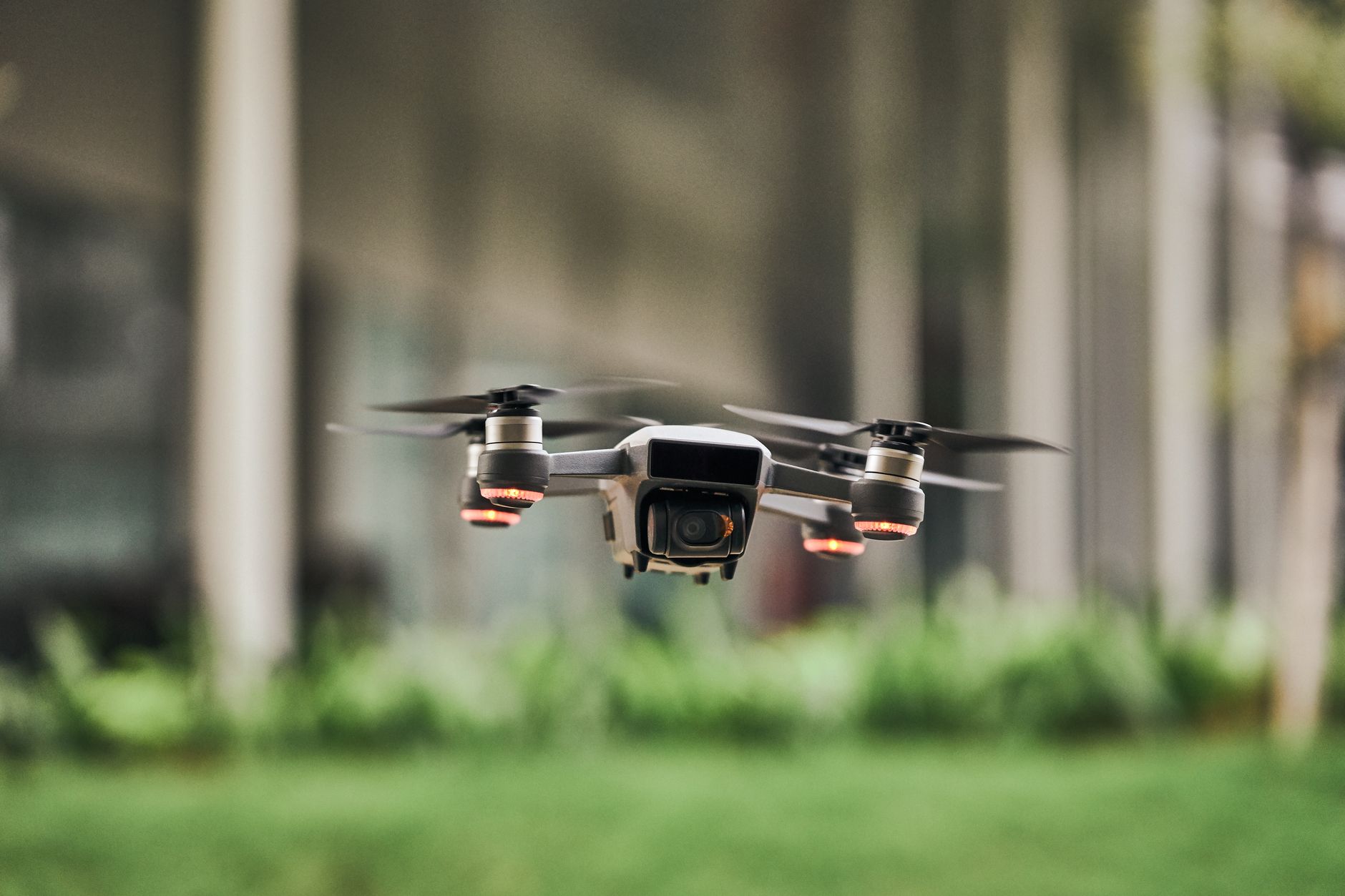

Anti-drone defense systems represent an expanding category of security technology designed to detect, track, and neutralize unmanned aircraft that enter restricted airspace. These systems combine radar, radio frequency detection, and kinetic or non-kinetic countermeasures to address the growing threat posed by commercial and hobbyist drones near critical infrastructure, airports, and large public gatherings. The deployment of such systems has accelerated in response to high-profile security events, reflecting a broader recognition that drone incursions require specialized defensive capabilities distinct from traditional perimeter security.
The expansion of anti-drone capabilities reflects a shift in how security planners approach airspace protection. Where once the skies above public venues were considered inherently secure, operators now recognize that consumer drones—many retailing for under $1,000—can carry cameras, sensors, or payloads into sensitive areas. This recognition has driven investment in detection and mitigation infrastructure at major events, transportation hubs, and government facilities.
Table of Contents
- How Anti-Drone Defense Systems Detect and Respond to Aerial Threats
- Limitations and Regulatory Constraints Affecting Deployment
- Real-World Applications and Operational Lessons Learned
- Integration with Broader Security Infrastructure and Decision-Making
- Technical Challenges and Evolving Drone Capabilities
- Cost Structure and Operational Economics
- Spectrum Allocation and International Coordination
- Frequently Asked Questions
How Anti-Drone Defense Systems Detect and Respond to Aerial Threats
Anti-drone systems typically operate in layers, beginning with detection. Radar-based detection identifies drones by their movement patterns and reflectivity, while radio frequency sensors intercept the communication signals between operators and their aircraft. Some systems integrate both approaches, improving accuracy and reducing false alarms. A facility defending against drone incursions might deploy multiple sensors across its perimeter to create overlapping coverage zones, ensuring that a drone cannot approach from any direction undetected. Response mechanisms vary in sophistication and legality depending on jurisdiction.
Some systems rely on jamming—transmitting interference on the frequencies drones use to communicate with operators, effectively severing control and forcing the aircraft to land or return to its operator. Others use directed microwave energy or kinetic force (netting systems, for example) to disable drones. Each approach carries tradeoffs: jamming is non-destructive but may affect nearby civilian communications, while kinetic methods eliminate the threat immediately but generate debris and raise liability questions. Integration challenges arise when multiple security layers must coordinate. A security team might detect a drone on radar, confirm it via RF sensors, issue radio warnings, and only then deploy active countermeasures if the drone does not leave the protected zone. Coordinating these steps requires trained personnel, clear protocols, and communication systems that function reliably under stress.
Limitations and Regulatory Constraints Affecting Deployment
Anti-drone systems are not universally applicable, and their effectiveness depends heavily on environmental conditions and legal authority. Weather degrades radar performance, particularly in heavy rain or snow, while dense urban environments create radio frequency clutter that can confuse RF sensors. A system that works reliably in clear weather at an open airfield may struggle in a forested area or near tall buildings where signals bounce unpredictably. Regulatory authority poses a substantial constraint. In most countries, only government agencies and licensed operators hold legal authority to jam drone signals or employ directed energy weapons.
Private facilities, even those hosting major events, typically lack authorization for active countermeasures. This limitation forces reliance on detection and notification to law enforcement rather than direct intervention. The time lag between detection and law enforcement response can span seconds to minutes—enough time for a determined operator to accomplish their objective. Collateral effects represent another limitation. Jamming systems can interfere with legitimate radio communications if not carefully tuned, affecting cell phones, Wi-Fi, aviation navigation systems, or emergency responder frequencies. The legal liability for such interference often falls on the organization deploying the jammer, creating institutional resistance to active countermeasures even where they are technically permitted.
Real-World Applications and Operational Lessons Learned
Large-scale sporting events and high-profile summits have driven adoption of anti-drone technology by security planners worldwide. Airports consistently report unauthorized drone sightings near flight paths, leading to significant operational disruptions and safety concerns. In response, major airports have deployed detection systems and, in some cases, gained authorization to employ active countermeasures in coordination with national aviation authorities. These operational deployments reveal that detection alone is insufficient; security must also include clear decision-making protocols defining when to escalate from detection to active response. Government facilities protecting critical infrastructure—power plants, water treatment facilities, government buildings—increasingly incorporate anti-drone sensors into their physical security perimeter.
These deployments typically begin with radar detection and RF monitoring, with kinetic or electronic countermeasures held in reserve. Operators report that the presence of visible detection equipment often deters casual drone hobbyists, while organized attempts continue regardless, requiring active countermeasures. Training and false-alarm management represent practical challenges that emerge only after systems are operational. Security personnel must distinguish between authorized aircraft, legitimate hobbyist operations outside protected zones, and actual threats. A single false alarm per shift can desensitize teams and degrade response time to genuine incursions. Organizations with operational anti-drone systems typically invest in simulator training and regular exercises to maintain personnel proficiency.
Integration with Broader Security Infrastructure and Decision-Making
Anti-drone systems function most effectively when integrated into a facility’s existing security architecture. A security command center receiving alerts from drone detection systems should simultaneously dispatch personnel, notify law enforcement, alert air traffic control if applicable, and prepare to execute countermeasures. This integration requires interoperable communications systems, shared protocols with external agencies, and clear escalation procedures. A siloed detection system that alerts security personnel but fails to reach the command center or law enforcement becomes an early warning that arrives too late. The choice between detection-only and detection-plus-active-response reflects organizational risk tolerance and legal authority.
Organizations with high-value assets at risk and full regulatory authority deploy more aggressive countermeasures, while those constrained by regulation or liability concerns prioritize early detection to enable law enforcement response. Neither approach is universally superior; each reflects the specific threat environment and legal framework of its jurisdiction. Resource allocation represents a practical tradeoff. Anti-drone systems require capital investment in equipment, ongoing maintenance, personnel training, and regular system testing. A facility choosing this investment must weigh the cost against the probability and consequence of unauthorized drone incursions. High-value targets with documented threat intelligence typically justify the expense; facilities with no prior incidents may struggle to secure funding or leadership support.
Technical Challenges and Evolving Drone Capabilities
Drone technology advances faster than defense systems in many respects. Commercial drones increasingly feature autonomous flight capabilities, allowing operations pre-programmed before launch, reducing dependency on radio signals that detection systems intercept. A drone equipped with autonomous waypoint navigation can operate even if its communication link is jammed, requiring kinetic countermeasures rather than electronic ones. This evolution pushes anti-drone system designers toward more capable sensors and more aggressive response options. Swarms of small drones represent an emerging challenge that existing systems struggle to address. A single detection system designed to track one or two drones can become overwhelmed by a coordinated group of dozens of small aircraft approaching from different vectors.
Responding to swarm attacks requires either a dramatic increase in countermeasure capacity—multiple jamming transmitters, netting systems, or kinetic defenses deployed simultaneously—or relies on multiple coordinated systems across a wide area. The cost and complexity increase substantially, and the effectiveness becomes less certain. Stealth design in consumer drones poses another challenge. As drones become smaller and incorporate radar-absorbing materials, detection systems relying on radar cross-section become less effective. Some manufacturers specifically market drones with reduced radar profiles, creating a market for products designed to evade existing defense systems. This dynamic creates an arms race between drone manufacturers and defense system developers.
Cost Structure and Operational Economics
The cost of anti-drone systems ranges from hundreds of thousands to millions of dollars depending on coverage area and capability level. A basic RF detection system covering a 2-3 mile radius might cost $200,000 to $400,000, while adding radar capability and active countermeasures can increase costs tenfold. For comparison, a single year of airport runway closure due to drone sightings can cost airlines millions in operational losses, making the investment economically rational for major transportation hubs.
Ongoing costs beyond initial capital investment include sensor maintenance, software updates, personnel training, and licensing fees for spectrum usage where applicable. These recurring costs often equal or exceed annual capital depreciation, and facilities frequently underestimate them during initial budget planning. An organization deploying an anti-drone system must commit to multi-year funding for maintenance and staff support or risk deploying a system that degrades rapidly into unreliability.
Spectrum Allocation and International Coordination
Anti-drone systems that employ RF jamming or radio frequency detection require spectrum allocation from national communications authorities, creating coordination challenges in border regions and internationally significant locations. Different countries allocate spectrum differently, meaning a system effective in one nation may be non-functional or illegal to operate in another. This limitation complicates deployment at truly multinational facilities or events spanning multiple jurisdictions.
Jamming frequencies used by anti-drone systems must be carefully selected to avoid interfering with aviation navigation aids, military radar, or cellular communications. The integration of new anti-drone systems into airspace already occupied by numerous other radio users requires detailed coordination and technical analysis. Major events held in multiple countries often require separate anti-drone system configurations for each location, increasing complexity and cost for security planners coordinating across borders.
- —
Frequently Asked Questions
What frequencies do anti-drone systems typically jam?
Most consumer drone jamming systems target the 2.4 GHz and 5.8 GHz bands used for drone-to-operator communication, along with GPS signals. Frequencies vary by jurisdiction and are subject to strict regulatory approval.
Can anti-drone systems distinguish between commercial and hobby drones?
RF sensors can identify communication patterns associated with specific drone models, but visual confirmation or radar integration is often required to distinguish intent. A commercial agricultural drone flying autonomously is indistinguishable from a hostile drone operating the same way.
How far can anti-drone radar detect approaching aircraft?
Detection range depends on drone size, altitude, radar power, and environmental conditions. Commercial anti-drone radars typically detect small consumer drones at 2-5 kilometers in clear conditions, with performance degrading in rain, snow, or urban RF clutter.
Are anti-drone systems legal for private companies to deploy?
Detection systems are generally legal, but active countermeasures (jamming, directed energy) are heavily restricted or illegal for private operators in most jurisdictions. Specific regulations vary by country and region.
What happens to drones when jamming systems activate?
Most drones return to their launch point when control signals are lost, though some models have failsafe settings to land immediately or hover in place. The specific behavior depends on drone model and operator settings.