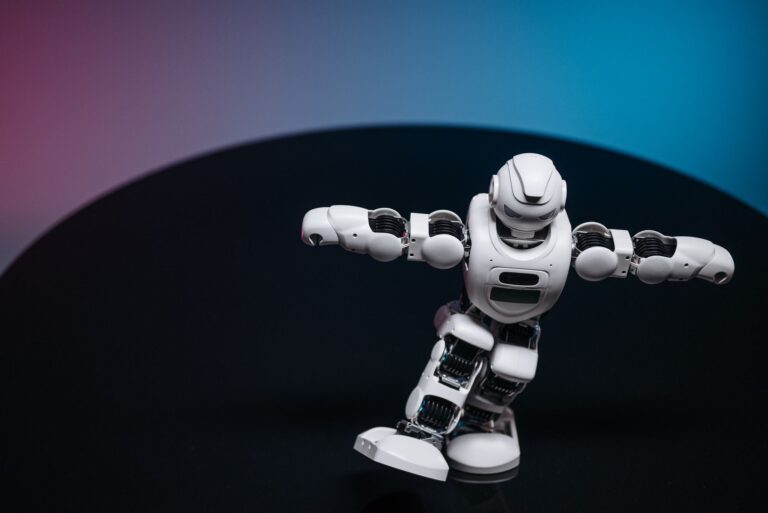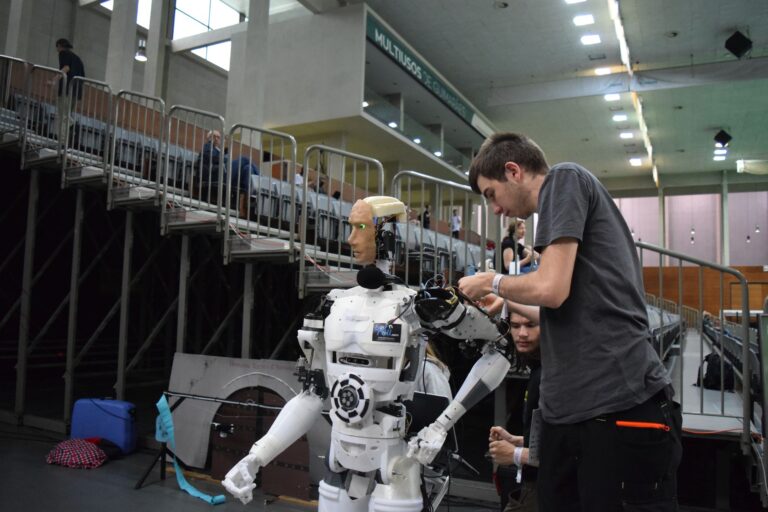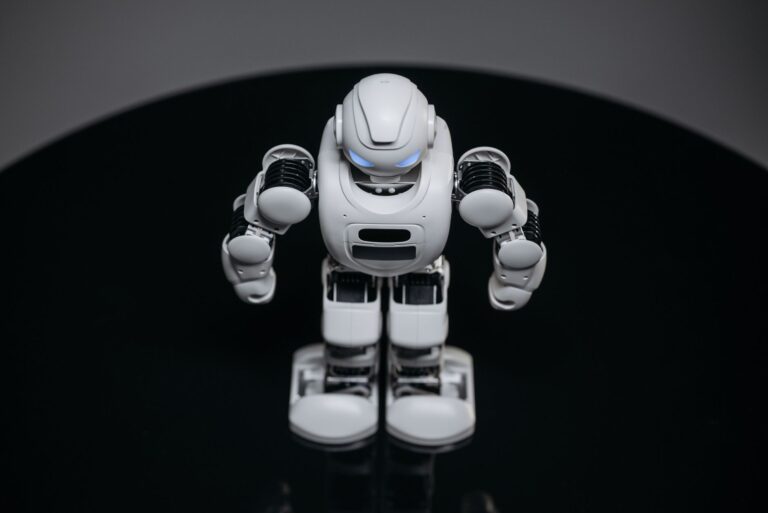

No verified pilot program has been confirmed in which school districts deploy humanoid robots to fully replace classroom teachers. The phrase "humanoid robots as classroom educator replacement" describes a scenario that current technology and policy do not support, so treat any such headline as speculative or aspirational rather than settled fact. A humanoid robot is a machine built with a human-like body—head, torso, and often arms—designed to move and interact in spaces made for people. In education, real deployments so far act as assistants or teaching aids, not as licensed teachers who plan lessons, manage a room of children, and hold legal responsibility for student welfare.
Table of Contents
- What "educator replacement" would actually require
- Where robots do appear in classrooms now
- How to read a "pilot program" headline
- The practical and ethical limits
- What a reader can do with this information
- Frequently Asked Questions
What "educator replacement" would actually require
Replacing a teacher is not the same as automating a lecture. A classroom educator sets curriculum, adapts to confused or struggling students, manages behavior, spots signs of distress or abuse, and answers to parents and administrators. These duties mix judgment, empathy, and legal accountability that no current robot carries. A humanoid robot today can deliver scripted content, respond to simple questions, and perform physical demonstrations.
It cannot independently assess a student's emotional state with reliability, improvise when a lesson falls flat, or be held responsible for a child's safety. Those gaps separate a demonstration from a genuine replacement. Any real "replacement initiative" would also need approval from school boards, teacher licensing bodies, and often state education agencies. Districts cannot quietly swap a certified teacher for a machine, because staffing rules, union contracts, and student-to-adult supervision ratios are written around human employees.
Where robots do appear in classrooms now
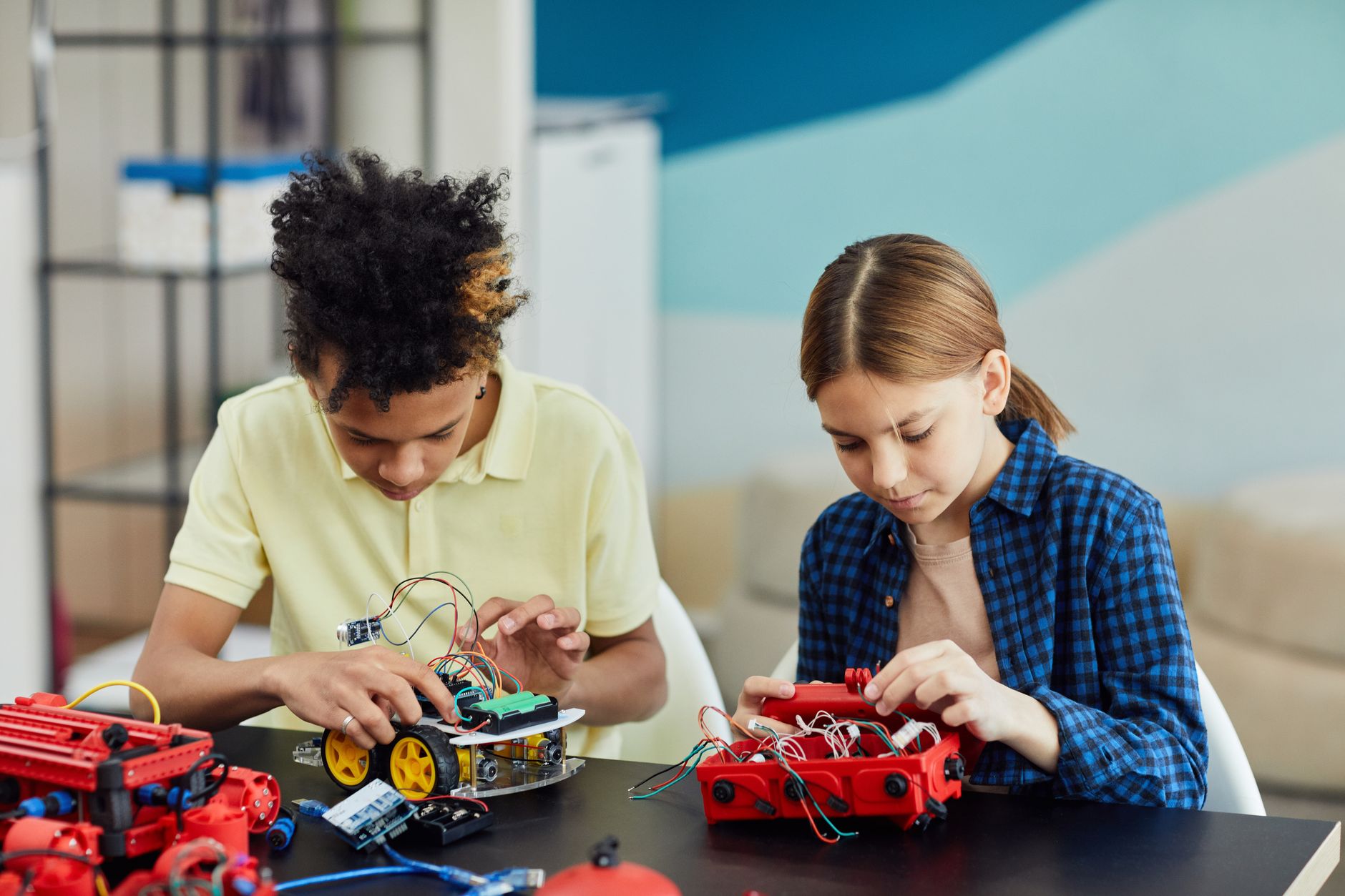
robots already have modest, documented roles in schools, but as tools rather than staff. The most common uses are hands-on learning devices and remote-presence systems, both of which keep a human teacher in charge.
In each case a person still owns the lesson. The robot handles a narrow, repeatable task, and a teacher supervises, interprets results, and steps in when the tool falls short.
- Coding and STEM kits: small programmable robots that students build and control to learn logic and engineering basics.
- Telepresence robots: wheeled screens that let a homebound or hospitalized student "attend" class remotely, controlled by that student.
- Social robots in research settings: table-top or small humanoid units used in studies on language practice or support for children with specific learning needs.
How to read a "pilot program" headline
pilot announcements deserve scrutiny because the word "pilot" covers everything from a serious multi-school trial to a single vendor demo. Before treating a claim as real, check who is making it and what they are actually measuring.
If a report cannot answer these, treat the "replacement" framing as marketing or speculation. Vendors have a clear incentive to describe an assistant tool in dramatic terms.
- Source: Is the claim from the district itself, a state agency, or only a robot vendor's press release?
- Scope: How many schools, students, and hours are involved, and for how long?
- Role: Does the robot assist a teacher, or is it genuinely running a class alone?
- Oversight: Who supervises the robot, and who is accountable if something goes wrong?
- Evidence: Are there measured outcomes, or only promotional descriptions and staged photos?
The practical and ethical limits
Cost is an immediate barrier. Capable humanoid robots are expensive to buy, maintain, and update, and they still need trained humans nearby to operate and troubleshoot them. For most districts, that money buys support tools, not a workforce swap. Safety and privacy raise further questions.
A robot among children collects audio, video, and behavioral data, which creates records that must be protected under student-privacy rules. A malfunction, a mis-heard instruction, or a security breach carries risks that a policy-cautious district cannot ignore. There is also the human element that resists automation. Students form relationships with teachers, and much of learning depends on trust, encouragement, and reading a room. These are exactly the capabilities where current robots remain weakest, which is why "assistant" is a more honest label than "replacement.".
What a reader can do with this information
If you follow robotics in education, focus on verifiable roles rather than dramatic headlines. Ask whether a system augments teachers—handling drills, translation, or repetitive practice—or claims to replace them, because the first is plausible today and the second is not.
- Track named districts and official board minutes, not just vendor blogs.
- Distinguish humanoid form from teaching capability; a human shape does not mean human judgment.
- Watch for measured outcomes on learning, safety, and cost before crediting any claim of success.
- Assume a human remains legally responsible until a district explicitly states otherwise, which would itself be major, documented news.
Frequently Asked Questions
Are humanoid robots legally allowed to teach a class alone?
No known jurisdiction licenses a robot as a stand-alone teacher; staffing, supervision, and accountability rules are written around human employees.
What is the difference between a teaching robot and a teaching aid?
A teaching aid performs a narrow task under a teacher's control, while a true replacement would independently plan, manage, assess, and take responsibility for students.
Why do some headlines still say robots are "replacing" teachers?
The framing often comes from vendor marketing or speculative coverage; check the source, scope, and oversight before treating it as fact.