
Legged robots in 2026 are walking machines used for factory and warehouse tasks, affecting assembly workers, warehouse pickers, and safety inspectors. Key evidence shows humanoids sequencing parts and moving totes while four-legged robots inspect plants, so employers should assess risks and set guarding controls. A legged robot moves on legs instead of wheels.
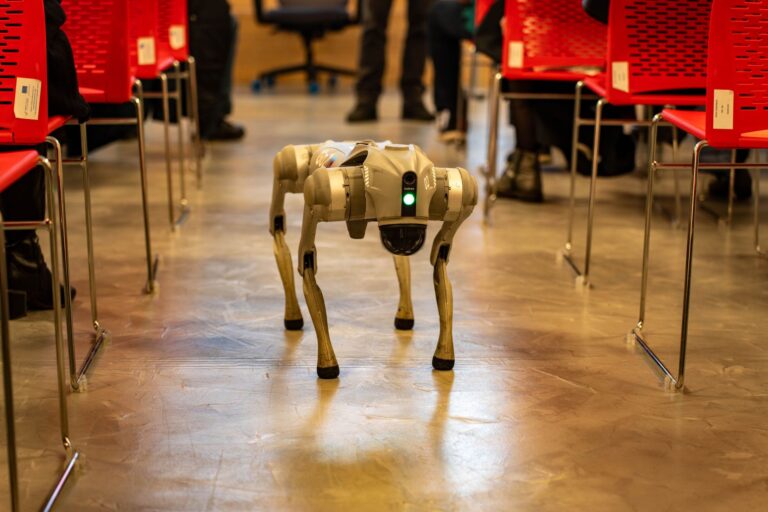
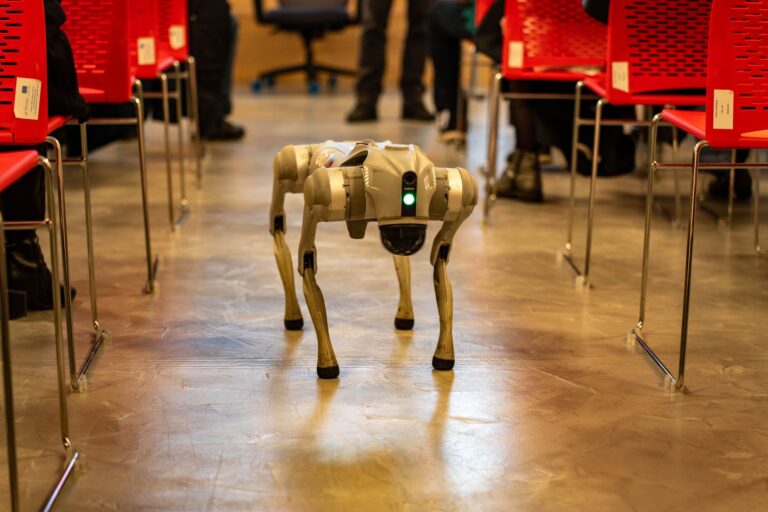
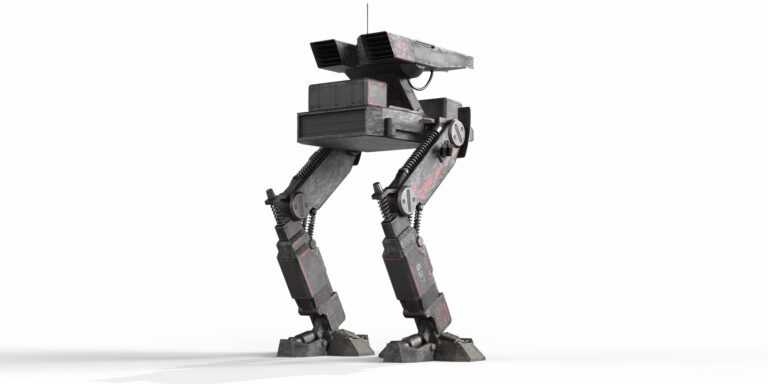
Two-legged types are called humanoids. Four-legged types are often called robot dogs. Both now do narrow jobs alongside people.
Table of Contents
- Where humanoids work in factories
- Where legged robots work in warehouses and plants
- What still limits full shifts?
- What should employers do next?
Where humanoids work in factories
Humanoids now handle parts sequencing, which means placing parts in order for assembly lines. BMW Group reports its Spartanburg plant deployed Figure 03 for logistics sequencing after an 11-month Figure 02 pilot with 90,000 parts BMW deployment update.
That pilot supported more than 30,000 X3 vehicles. Boston Dynamics shifted its fully electric Atlas humanoid to commercial product in January 2026. Its test work focuses on auto-manufacturing tasks at Hyundai's Robotics Metaplant Application Center, including parts sequencing and later component assembly.
Where legged robots work in warehouses and plants
Warehouse work centers on moving goods over short distances. TechCrunch reports Agility Robotics' Digit humanoids moved more than 100,000 totes at a GXO Logistics warehouse in Georgia under a multiyear robots-as-a-service contract Agility deployment report. Robots-as-a-service means the customer pays for robot use rather than buying units.
Four-legged Spot robots do routine inspection in industrial plants. Two units work in LS Electric's Busan plant, with gas-detection payloads used for hazardous areas. This affects maintenance and safety inspectors who monitor equipment and air hazards.
What still limits full shifts?
Most full-size humanoids run only 2 to 4 hours per charge and carry small payloads. IDTechEx reports units cost over $100,000 each and face over 50% downtime against full shifts IDTechEx industry analysis. Plants must plan charging, spare units, and task rotation.
Safety rules are still catching up. ISO 25785-1 covers industrial mobile robots with actively controlled stability, including humanoids. It was a May 2025 working draft in early 2026, with publication expected in 2026 to 2027.
What should employers do next?
U.S. workplaces have no robot-specific OSHA standard.
Robotics247 summarizes OSHA guidance directing employers to machine guarding, lockout, and risk assessment under 29 CFR 1910 Subparts J, O, and S OSHA robotics guidance summary. Use that guidance before assigning shared tasks.
- Map the robot travel path and human work zones.
- Set lockout steps for charging, service, and jam clearing.
- Assign one owner for daily checks and incident review.
- Limit first jobs to sequencing, transport, or inspection.