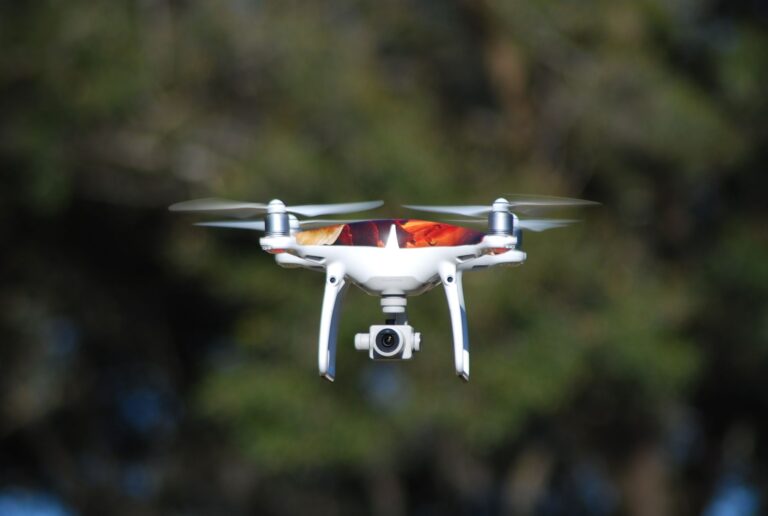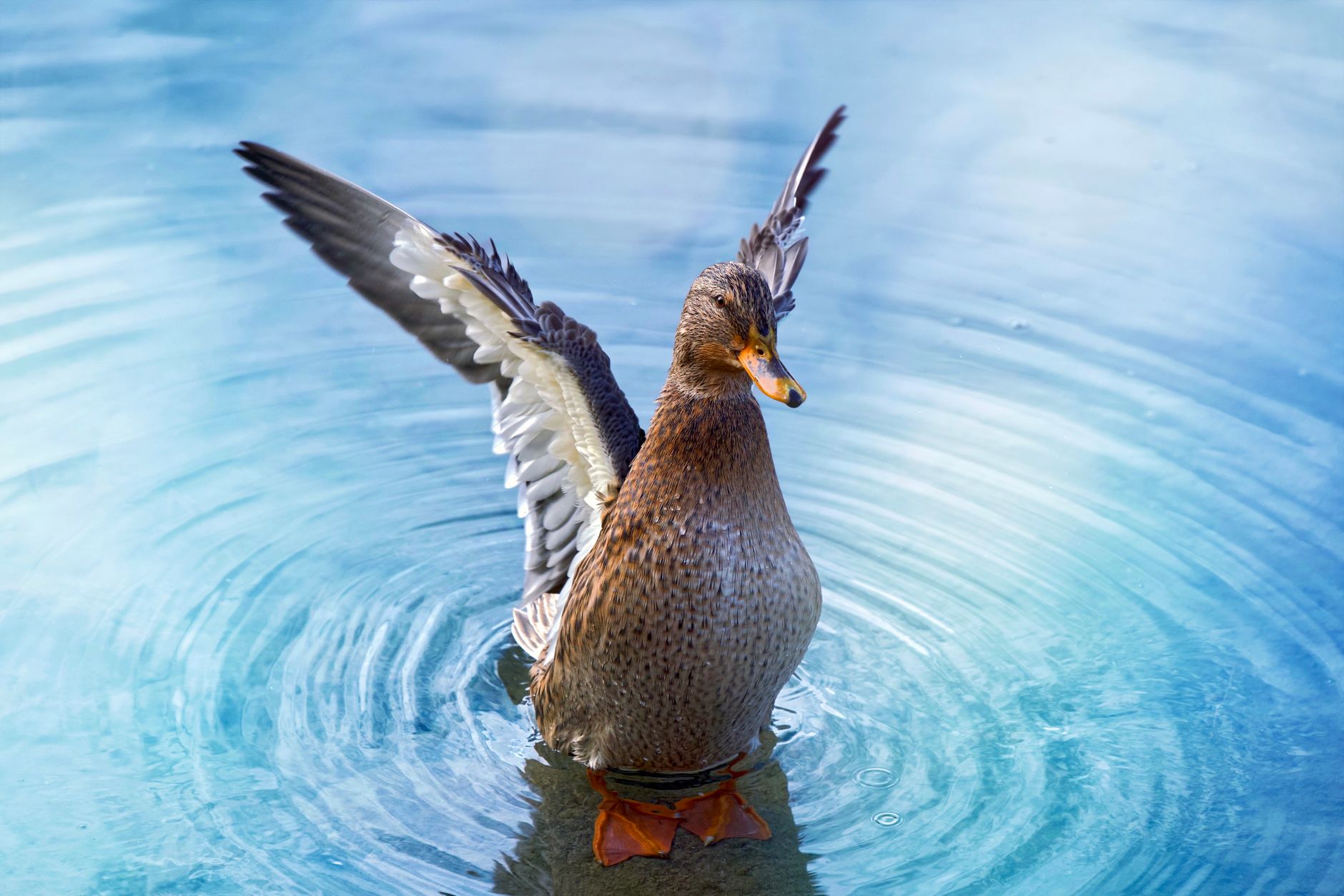

A flapping-wing robot stays stable by sensing body tilt and rotation and then adjusting its wings many times per second. A flapping-wing robot is a small flying machine that lifts itself by moving wings up and down like a bird or insect. Small shifts in wing angle, speed, or timing create correcting forces. A tail, weight balance, and autopilot software help hold heading and height.
Table of Contents
- What makes flapping flight unsteady?
- How does the robot sense motion?
- How do wings and tail correct flight?
- What limits stability outdoors?
What makes flapping flight unsteady?
Each downstroke makes lift, while each upstroke makes less lift or drag. That pulsing force rocks the body up, down, and side to side.
Wingtip swirls also change lift from one beat to the next. Because many designs are light, a small gust can tip them quickly.
How does the robot sense motion?
Onboard sensors watch motion several times per wingbeat. A gyroscope measures rotation, an accelerometer measures tilt and thrust, and a pressure sensor tracks height.
The flight controller compares this motion to a steady target. When it sees lean or spin, it orders a wing or tail correction.
How do wings and tail correct flight?
Corrections come from small, fast changes in wing motion. The controller does not flap harder overall; it changes one side or one part of the stroke.
Weight placement helps between corrections. A low battery and centered mass act like a keel, so the craft returns toward level flight.
- More stroke on the left lifts the left side and rolls the craft right, and the reverse rolls it left.
- Slight twist or timing shift front to back pitches the nose up or down.
- A moving tail or rear wing adds steering force and damps wobble.
What limits stability outdoors?
Strong wind can outpace these fixes. Gusts hit faster than small wings and motors can respond, so indoor calm differs sharply from outdoor air. Power and sensing set other bounds.
Heavy sensors improve knowledge but drain power, while simple controls save weight but handle less upset. For outdoor tests, start in calm air and add wind in small steps. Log each flight and raise gust level only after steady hover holds.